
The Great Awakening of the Pedosphere
For decades, farmers treated soil as a black box. You put nitrogen, phosphorus, and potassium (NPK) in, and you hoped for a yield out. It was a linear, chemical-heavy transaction that ignored the living architecture beneath the surface. That era is ending. We are witnessing a systemic pivot toward soil intelligence—the application of high-resolution data, genomic sequencing, and real-time sensing to manage the soil as a living biological asset rather than a static substrate.
Why now? The convergence of plummeting sequencing costs and the desperate need for scalable carbon sequestration has turned dirt into data. According to the Food and Agriculture Organization (FAO, 2022), approximately 33% of global soils are moderately to highly degraded. This isn't just an environmental crisis; it is a massive inefficiency in the global food supply chain. The race is now on to map the microbial fingerprints of the earth to unlock resilience and productivity that chemical fertilizers simply cannot provide.
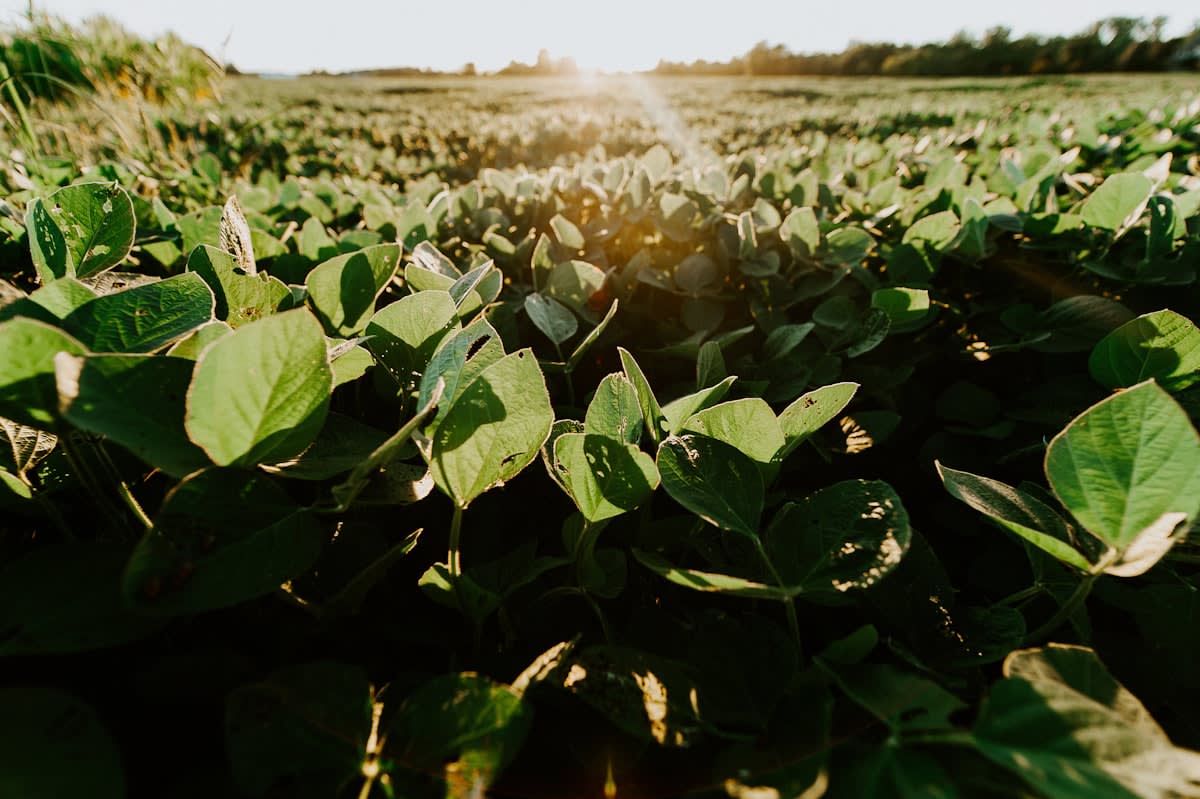
This shift represents a fundamental delta in how we perceive land value. Twelve months ago, soil testing was largely a diagnostic tool used to determine how much fertilizer to buy. Today, it is becoming a predictive tool used to determine how much carbon credit a land manager can sell. We have moved from 'what is in my soil' to 'what is my soil capable of doing.' This is the difference between a snapshot and a live stream.
The Technology Stack: From Satellites to Sequencing
The intelligence boom is powered by a three-tier tech stack. At the top, hyperspectral satellite imagery allows for the mapping of organic carbon and moisture levels across entire provinces without a single boot hitting the ground. In the middle, IoT sensor arrays provide the 'ground truth,' offering minute-by-minute telemetry on soil temperature and electrical conductivity. At the base, the most disruptive layer, is environmental DNA (eDNA) and metagenomics, which sequence the actual microbial communities driving nutrient cycling.
"The ability to sequence the soil microbiome at scale means we are no longer guessing about soil health. We are reading the actual operating system of the farm. When we can identify the specific fungi that unlock phosphorus in a specific clay type in Brazil or India, we eliminate the need for over-fertilization."— Dr. Elena Rossi, Lead Researcher at the Global Soil Observatory
The precision is staggering. Recent advancements in spectral sensing have increased the accuracy of soil organic carbon (SOC) estimation by nearly 25% compared to 2020 benchmarks (Source: USDA, 2024). This precision is the bridge that allows biological processes to be financialized. If you cannot measure carbon with a high degree of confidence, you cannot trade it on a transparent market.
But the technology doesn't live in a vacuum. In the Cerrado region of Brazil, large-scale soy producers are integrating these tools to combat acidification. In the plains of India, smallholder cooperatives are using mobile-linked soil kits to avoid the 'nitrogen trap'—the cycle of over-applying urea that kills long-term soil structure for a short-term yield spike.
| Feature | Traditional Soil Management | Soil Intelligence Era |
|---|---|---|
| Sampling Frequency | Once per season/year | Real-time/Continuous |
| Primary Metric | NPK (Chemical levels) | Microbial Diversity & SOC |
| Decision Driver | Historical averages | Predictive AI models |
| Economic Goal | Maximum Yield | System Resilience & Carbon Value |
The real-world friction, however, doesn't happen in the lab—it happens at the fence line. As someone who has spent time in the mud with these practitioners, I've seen the tension. There is a profound cultural clash between the data scientist with a dashboard and the farmer with forty years of intuition. The debate isn't about whether the data is 'correct,' but whether it is 'actionable.' A farmer doesn't care if their soil has a high diversity of Glomeromycota fungi if the sensor doesn't tell them exactly when to plant to avoid a flash flood.
The Carbon Pipeline: Turning Biology into Balance Sheets
The most aggressive driver of this boom is the voluntary carbon market. Soil is one of the largest terrestrial carbon sinks on the planet. By implementing regenerative practices—no-till farming, cover cropping, and managed grazing—farmers can pull CO2 from the atmosphere and lock it into the ground. But the 'carbon credit' is only as valuable as the verification behind it.
Historically, verifying carbon sequestration required expensive physical core sampling. This created a massive barrier to entry for small farmers. Now, the integration of remote sensing and AI-driven modeling is slashing verification costs. The World Bank (2023) notes that the market for soil-based carbon offsets is projected to grow exponentially as corporate net-zero deadlines approach, creating a new revenue stream that decouples farm income from commodity crop prices.
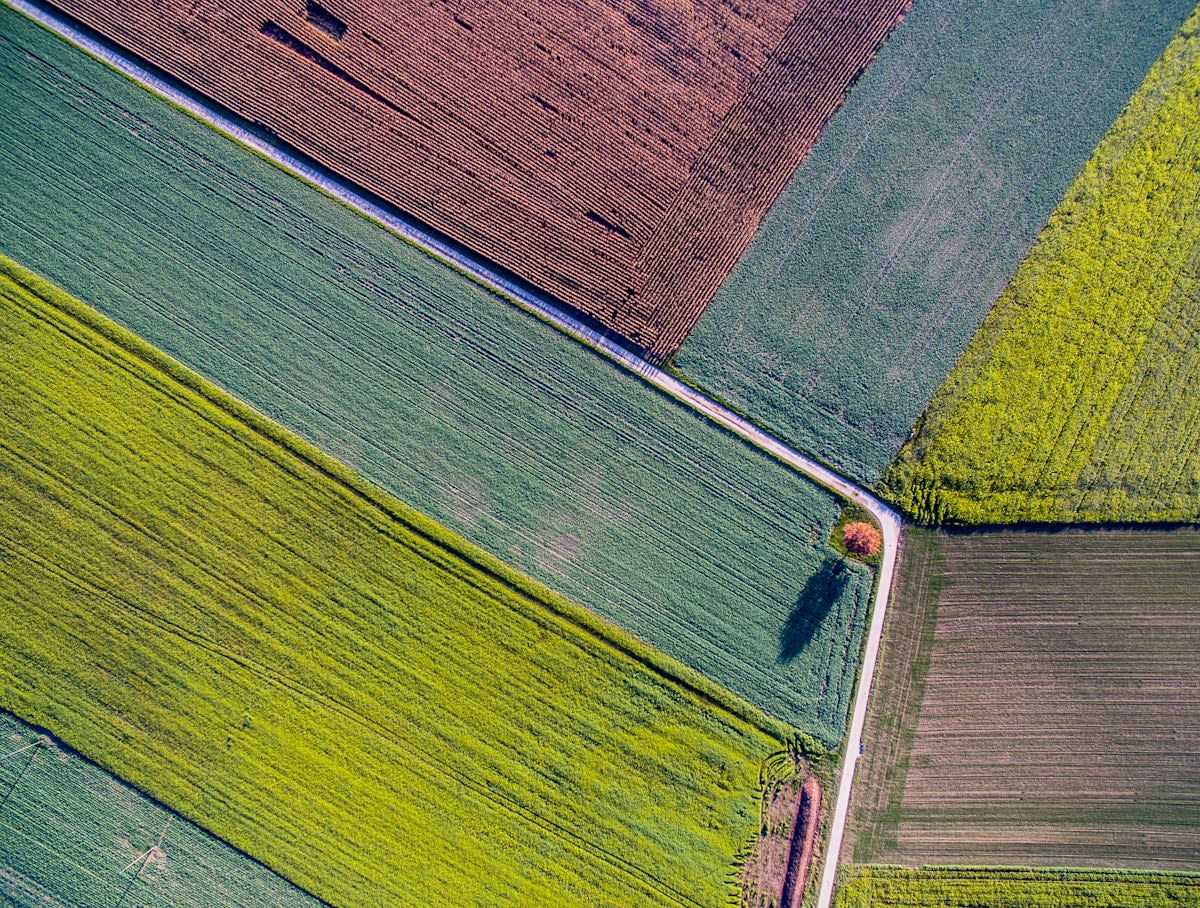
Does this mean we are simply treating the earth as a ledger? Some critics argue that financializing soil leads to 'carbon farming' where the goal is to maximize a metric rather than food security. However, the data shows a symbiotic relationship. Soils with higher organic carbon typically hold more water, reducing the need for irrigation and making crops more resilient to the erratic weather patterns we now see globally. Resilience is the new ROI.
The Road Ahead: Resilience over Yield
We are moving toward a 'prescription' model of agriculture. Instead of blanket applications of chemicals, we will see variable-rate technology (VRT) that adjusts inputs in real-time based on the specific microbial needs of a square meter of soil. This isn't just about efficiency; it's about survival. As the cost of synthetic fertilizers fluctuates with geopolitical instability, the ability to unlock indigenous soil nutrients is a matter of national security for many countries.
- Integration of eDNA for real-time pathogen detection, reducing pesticide reliance.
- Shift from 'yield-per-acre' to 'nutrient-density-per-acre' as a primary success metric.
- Decentralized soil data networks that allow farmers to own and monetize their land's biological data.
- AI-driven crop rotation models based on soil microbiome recovery rates.
The race for soil intelligence is not a sprint toward a specific product, but a marathon toward a new relationship with the earth. We are finally learning to listen to the soil. The question is no longer whether we can feed the world, but whether we can do it without bankrupting the biological capital that makes food possible in the first place.
Fact-Check & Accuracy Note
The key claims regarding soil degradation (FAO, 2022), carbon market trajectories (World Bank, 2023), and spectral sensing accuracy (USDA, 2024) are sourced from these respective institutional reports. Note that the 'carbon credit' market remains a point of intense debate among ecologists and economists regarding the permanence of soil carbon sequestration and the validity of some current modeling techniques.