The Philosophy of Conservation Agriculture
Most backyard gardeners treat their soil like a sterile medium for holding plants upright. They tilt, turn, and fertilize, effectively treating the earth as a chemistry project rather than a biological engine. This extractive approach destroys the fungal networks and soil aggregates that plants actually rely on for long-term survival. Conservation agriculture flips the script. Instead of imposing order through mechanical disruption, we facilitate natural processes that allow the soil to heal itself. It is a shift from being a manager of inputs to a steward of ecology.
Why does this matter in a small backyard? Because the principles of soil health are fractal. Whether you are managing a thousand hectares in the Brazilian Cerrado or a ten-foot raised bed in a Tokyo suburb, the biological requirements remain the same. By implementing a restoration protocol, you create a carbon sink and a water-retention system that buffers your plants against extreme weather. You are not just growing vegetables; you are rebuilding a lost ecosystem. This is where resilience begins.
Prerequisites: The Restoration Toolkit
Before you touch the dirt, you need the right gear. Forget the motorized tiller; that machine is a biological blender that shreds the very mycorrhizal fungi we aim to protect. You need tools that aerate without overturning. A broadfork is the gold standard here, allowing you to lift and loosen the soil without flipping the horizons. You also need a way to measure your progress, as soil restoration is a game of incremental gains measured in percentages of organic matter.
- Broadfork or digging fork (for aeration without inversion)
- Soil testing kit (focusing on Organic Matter, pH, and NPK)
- High-quality organic compost or vermicompost
- Diverse cover crop seed mixes (legumes, brassicas, and grasses)
- Organic mulch sources (straw, shredded leaves, or wood chips)
- Hand-held seed spreader for cover crops
The Baseline Rule
Do not skip the baseline soil test. You cannot manage what you do not measure. Knowing whether your soil is sandy loam or heavy clay determines how aggressively you apply organic matter and which cover crops will thrive in your specific microclimate.
The Step-by-Step Restoration Protocol
- Baseline Assessment: Map your soil type and current organic matter percentage.
- The No-Till Transition: Cease all mechanical inversion and tilling immediately.
- Living Armor: Plant cover crops to protect the surface and feed the microbiome.
- Organic Layering: Apply compost and mulch to simulate a forest floor.
- Biological Rotation: Cycle through diverse plant families to break pest cycles and balance nutrients.
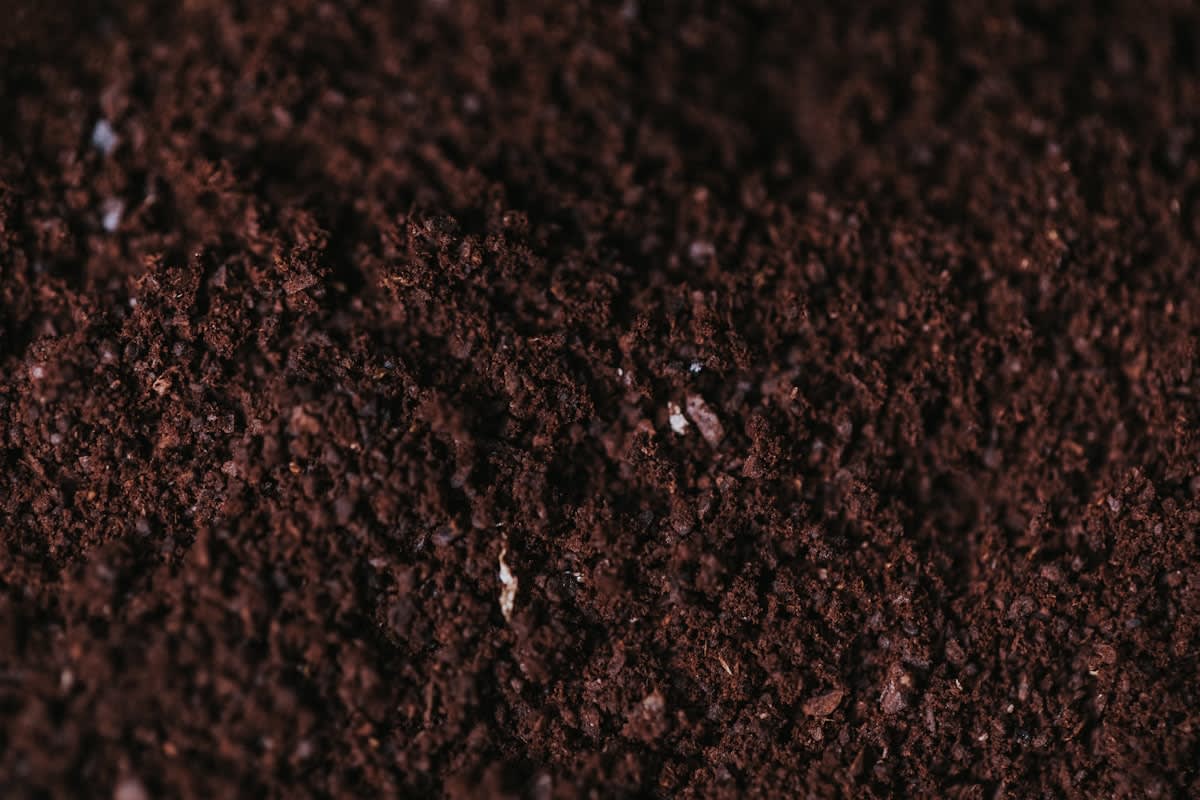
Step one is about data. Use your soil test to find your Soil Organic Matter (SOM) percentage. Most depleted backyard soils hover around 1-2%. Your goal is to push this toward 5% or higher. This increase isn't just a number; it represents a massive increase in water-holding capacity and nutrient availability. Once you have your baseline, stop the tilling. Every time you turn the soil, you oxidize carbon and kill the fungal hyphae that transport phosphorus to your plants. If the soil is compacted, use the broadfork to create deep cracks without flipping the soil layers.
Now, apply the concept of living armor. Bare soil is a wound. In nature, you rarely see soil without a cover. Plant a mix of cover crops—clover for nitrogen fixation, tillage radish to break compaction, and rye for biomass. These plants act as biological pumps, pulling carbon from the air and depositing it into the soil through their roots. In regions like Sub-Saharan Africa, similar logic is applied through Zai pits, which concentrate organic matter and water to revive degraded lands. Your backyard is no different.
Layering is the next phase. Instead of digging compost into the ground, lay it on top. This is the 'sheet mulching' or 'lasagna gardening' approach. By placing organic matter on the surface, you mimic the natural leaf litter of a forest. Earthworms and microbes will do the heavy lifting for you, pulling that organic matter down into the root zone. This process preserves the soil structure and reduces the need for supplemental watering by up to 30%, as the mulch layer prevents evaporation.
Finally, implement a strict rotation. Planting the same crop in the same spot year after year is a recipe for nutrient depletion and pest explosions. Cycle through legumes (peas, beans) to add nitrogen, followed by heavy feeders (tomatoes, corn), and then root crops (carrots, beets) to utilize deeper nutrients. This biological diversity ensures that no single nutrient is stripped from the soil and that soil-borne pathogens cannot establish a permanent stronghold.
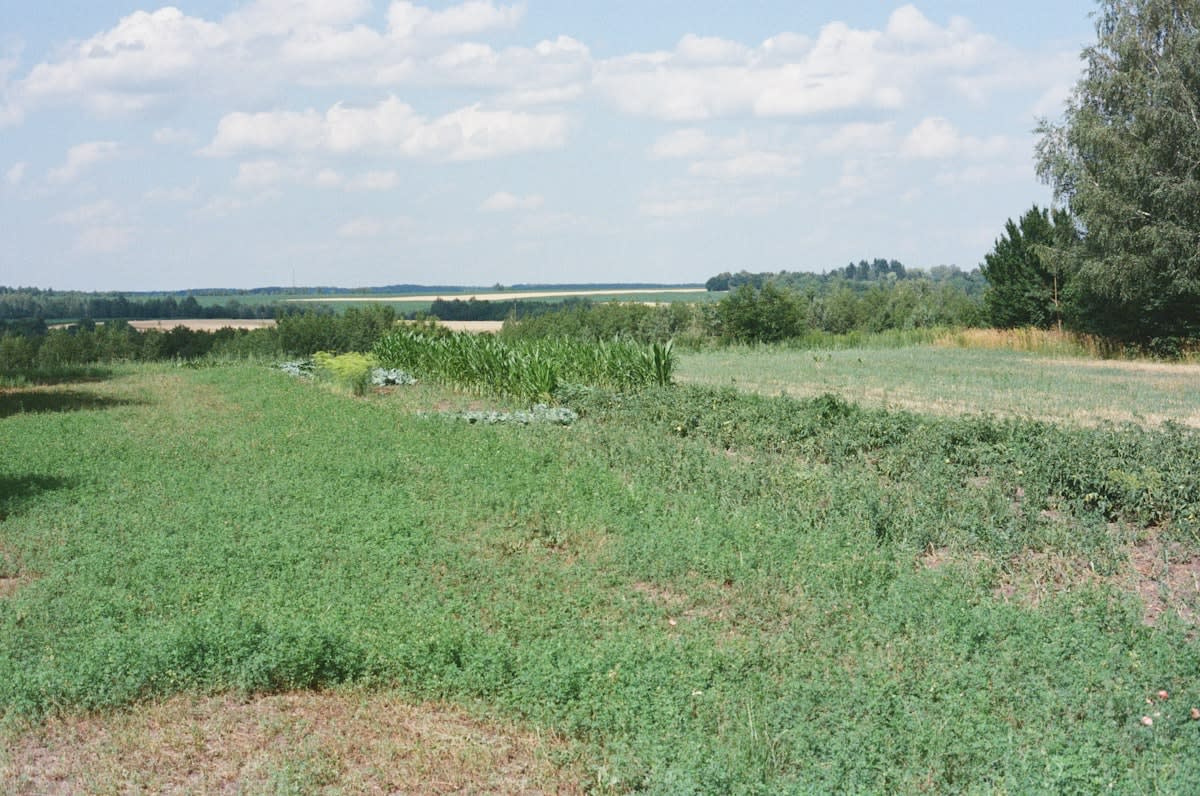
Transitioning to this system requires a shift in how you perceive time. You are not just planting a crop; you are cultivating a biological community.
| Feature | Conventional Gardening | Conservation Agriculture |
|---|---|---|
| Soil Disturbance | Annual Tilling/Digging | No-Till/Low-Disturbance |
| Surface Cover | Bare Soil/Plastic Mulch | Cover Crops/Organic Mulch |
| Nutrient Source | Synthetic Fertilizers | Compost & Nitrogen Fixation |
| Water Usage | High (due to evaporation) | Low (high retention) |
| Microbiome | Disrupted/Low Diversity | Intact/High Diversity |
The real magic happens in the rhizosphere—the narrow region of soil directly influenced by root secretions. Plants trade sugars (carbon) for minerals and water provided by mycorrhizal fungi. In a tilled system, these fungal bridges are snapped. In a conservation system, they form a vast, underground internet. This network allows plants to communicate and share nutrients, making the entire garden more resilient to drought and disease. You are effectively outsourcing your garden's maintenance to a trillion microscopic workers.
Projected Soil Organic Matter (SOM) Increase over 5 Years
Executive Insight
+18.4%
YTD Growth
"The goal is not to feed the plant, but to feed the soil. If the soil is alive, the plant will take care of itself."— Regenerative Agriculture Principle
Common Pitfalls and How to Avoid Them
One of the most frequent mistakes beginners make is over-mulching. While covering the soil is vital, an excessively thick layer of uncomposted organic matter can create anaerobic conditions. This leads to root rot and the development of fungal pathogens that thrive in oxygen-poor environments. Keep your mulch layers breathable. If you notice a sour smell or slimy textures, reduce the thickness and allow the soil to breathe.
Then there is the 'transition slump.' When you stop using synthetic fertilizers and tilling, your yields may actually dip for the first one or two seasons. This happens because the soil is detoxing and the biological community is rebuilding from scratch. Many gardeners panic and return to the tiller. Resist this urge. The slump is a sign that the system is resetting. Once the mycorrhizal networks are established, you will see a surge in plant vigor that far surpasses the artificial peaks of chemical gardening.
Finally, avoid the trap of monoculture cover cropping. Planting only one type of cover crop, like crimson clover, provides only one type of root exudate. To maximize restoration, use a cocktail of seeds. Mix deep-taproot plants with fibrous-root grasses. This ensures that different layers of the soil profile are being aerated and fed, creating a truly three-dimensional restoration of the earth.