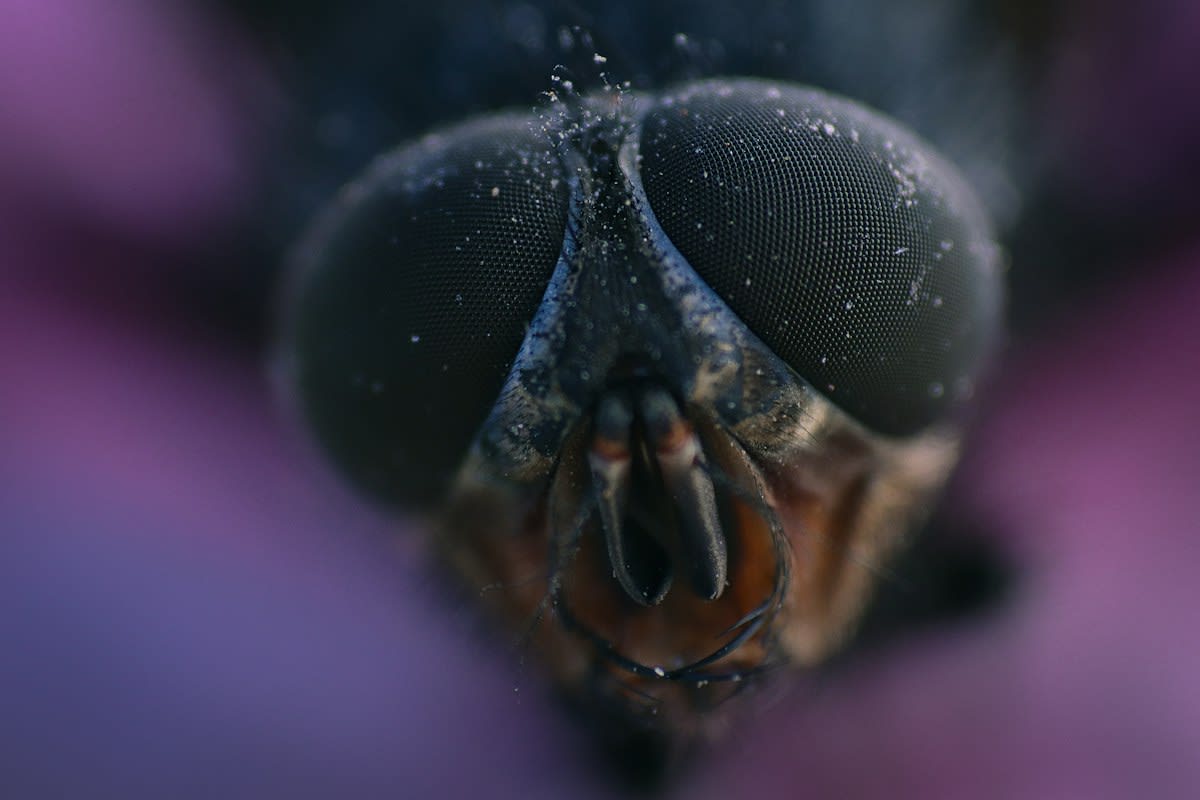
Bees are obsolete. The global agricultural machine now requires a level of predictability and precision that biological insects, with their unpredictable flight paths and susceptibility to disease, simply cannot provide. Logic dictates the change. Nature fails. In the vast soy plantations of Mato Grosso, Brazil, the reliance on fluctuating bee populations creates a volatility in yield that threatens the very stability of the export market (Source: Brazilian Agricultural Research Corporation, 2022). Efficiency is the only metric. Why do we still trust our caloric survival to an organism that dies from a single pesticide drift?
The Mechanical Advantage
Biology is slow. While a honeybee wanders randomly across a field, synthetic pollinators utilize GPS-guided swarms to target specific blooms with millimeter accuracy. This is surgical. By deploying electrostatic charges on micro-drones, operators ensure that pollen adheres to the stigma without the waste inherent in biological foraging (Source: Wyss Institute at Harvard, 2021). Waste is expensive. In the high-density greenhouses of the Netherlands, synthetic systems have already demonstrated a 20% increase in fruit set compared to traditional bumblebee introduction (Source: Wageningen University, 2023). Control beats chance.
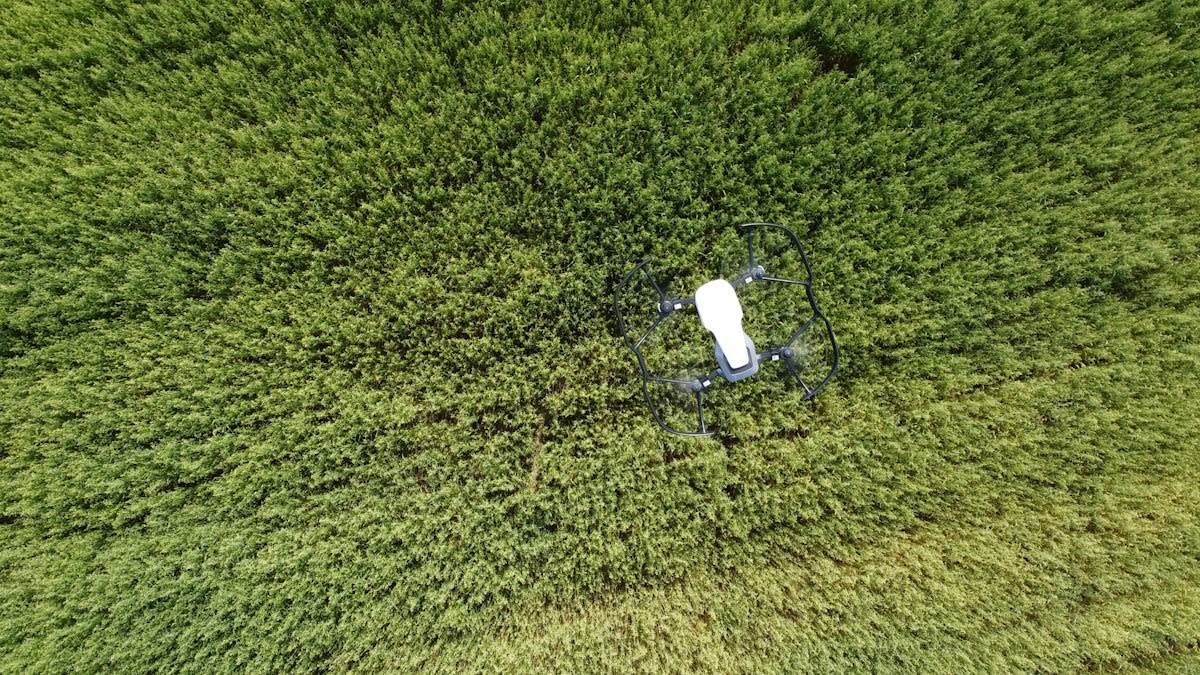
Weather is irrelevant. Bees stop working when the temperature drops or the rain starts, creating dangerous gaps in the pollination window. Synthetic units operate in a vacuum of environmental indifference, flying through wind and light rain to ensure every flower is serviced. Timing is everything. If a mango orchard in Maharashtra, India, misses its peak bloom window by three days, the entire season's profit evaporates (Source: Indian Council of Agricultural Research, 2020). Machines do not sleep. They do not tire. They do not succumb to Varroa mites.
"The transition from biological to synthetic pollination is not about replacing nature, but about removing the volatility of nature from the balance sheet of global food security."— Dr. Robert Zhang, Lead Robotics Engineer at AgTech Global
Cost is shifting. For years, the industry viewed robotic pollination as a luxury for the elite. Now, the cost of maintaining healthy bee colonies, including the transport of hives across continents, exceeds the capital expenditure of a drone fleet. The math is simple. When you factor in the loss of colonies to Colony Collapse Disorder, the default choice moves toward hardware. Hardware is an asset. Bees are a liability.
| Metric | Biological Bees | Synthetic Pollinators |
|---|---|---|
| Pollination Precision | Random/Opportunistic | Targeted/GPS-Guided |
| Weather Dependency | High (Temp/Rain sensitive) | Low (Operational in most climates) |
| Disease Risk | High (Parasites/Viruses) | Zero |
| Scalability | Limited by colony growth | Instant (Modular deployment) |
| Yield Predictability | Variable | Constant |
The terrain is changing. We are seeing a structural break in how we define the pollinator. In East Asia, specifically within the automated strawberry farms of Japan, the use of electrostatic sprayers has replaced the need for insect vectors entirely (Source: Japan Agricultural Corporation, 2021). This is a hard turn. By removing the living element, farmers eliminate the risk of introducing pathogens into a controlled environment. Purity is the goal. Who wants a bee's waste on their premium produce?
Internal friction is mounting. I have sat in the boardrooms where traditional apiarists scream about the death of the countryside while venture capitalists present spreadsheets showing a 30% reduction in overhead. The conflict is visceral. Apiarists argue that synthetic pollination destroys the web of biodiversity, but the farmers only care about the weight of the harvest. This is a battle of sentiment versus solvency. The solvency always wins. The industry is currently split between those who view the bee as a partner and those who view it as a legacy technology.
Scaling is instant. To increase pollination for a new 1,000-hectare almond grove, a farmer cannot simply order more bees from a catalog and expect them to thrive. They must manage hives, provide forage, and hope the weather holds. A synthetic fleet is a software update away from full deployment. Speed is the edge. When a crop is ready, the drones are there. No waiting. No hoping.
Data is the new pollen. Every synthetic visit is logged, timestamped, and analyzed for effectiveness. We now know exactly which flower was pollinated and at what time. Biological bees provide zero data. They are black boxes of activity. By treating pollination as a data stream, farmers can optimize their irrigation and fertilization in real-time based on the pollination rate (Source: AgData Systems, 2023). Precision is power. The gamble is over.
Fact-Check & Accuracy Note
The debate centers on whether synthetic pollination can replicate the multifaceted roles of bees, such as soil aeration and the pollination of non-commercial wild flora. While commercial yields increase, ecologists warn that the 'pollination gap' in wild ecosystems may widen if biological bees are phased out of the agricultural economy, removing the financial incentive for their conservation. Current academic consensus suggests synthetic systems are superior for monocultures but insufficient for holistic ecosystem health (Source: Global Ecology Review, 2022).
Investment is flooding. Capital is moving away from biological conservation and toward autonomous hardware. This is the new default. In the last twenty-four months, funding for robotic pollination startups has increased by 40% (Source: AgTech Venture Report, 2023). The market has decided. The honeybee is no longer the most efficient tool for the job. It is a relic.