CTO of 'RansomwareHelp' Indicted for Wire Fraud
Source Entity
Hacker News
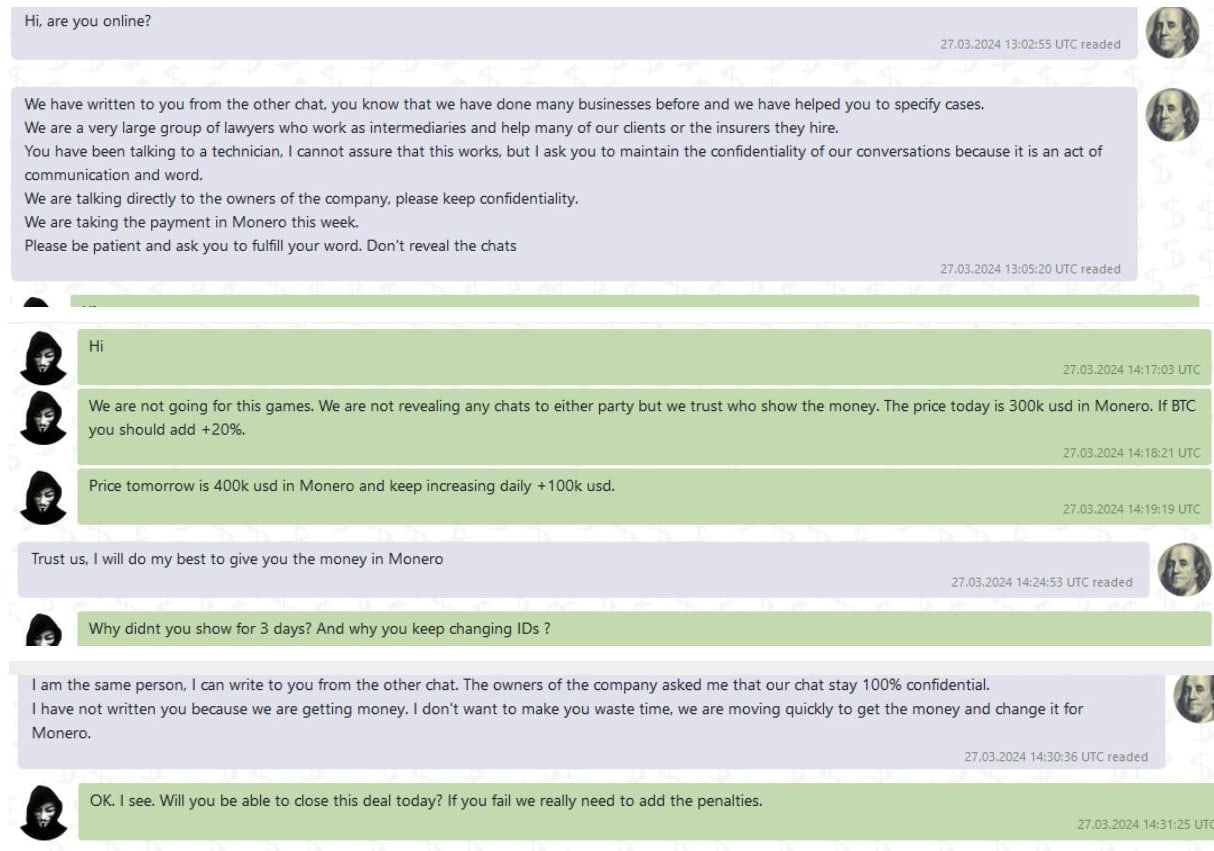
The CTO of RansomwareHelp has been indicted for wire fraud after an FBI sting revealed the company was paying attackers for decryption keys rather than using its own proprietary tools. This deceptive practice involved charging victims a significant markup for services that were never actually performed.
The Deception of RansomwareHelp: An Analysis of Fraud
The indictment of the chief technology officer and co-founder of RansomwareHelp marks a significant development in the fight against cybersecurity fraud. For six years, this Florida-based entity presented itself as a sophisticated solution for victims of cyber extortion, promising the use of "advanced cryptographic tools" to restore encrypted data. However, an FBI sting operation has exposed a far more mundane and criminal reality: the company was not performing any technical recovery work, but rather acting as an illicit intermediary by paying the original attackers for decryption keys and passing the cost—plus a substantial markup—onto desperate victims.
The Anatomy of a Cybersecurity Scam
The business model utilized by RansomwareHelp relied on a calculated betrayal of trust. By explicitly advising victims, "Do not pay the ransom!," the company positioned itself as a moral and technical alternative to succumbing to criminal demands. They marketed their services with claims of proprietary algorithms and a 99% success rate, effectively gaslighting victims who were already in a state of high distress. This psychological manipulation allowed the firm to charge premium fees for a service that required zero cryptographic expertise, merely the ability to communicate with the threat actors on the dark web.
The Implications for Victims and Industry
This case highlights the growing danger posed by "middleman" services in the cybersecurity landscape. When victims believe they are dealing with legitimate recovery experts, they may unknowingly fund the very criminal organizations that attacked them. Furthermore, by paying these ransoms, companies like RansomwareHelp perpetuate the ransomware ecosystem, incentivizing attackers to continue their campaigns against vulnerable organizations. The lack of actual technical work performed by the firm means that victims were paying for a false sense of security and a service that could have been potentially accessed directly, albeit with the same inherent ethical and security risks.
Regulatory and FBI Intervention
The FBI’s successful sting operation underscores the difficulty of regulating the cybersecurity recovery market. As ransomware attacks become more prevalent, the demand for recovery services has skyrocketed, creating a vacuum that unscrupulous actors are eager to fill. The indictment of the CTO serves as a warning that federal authorities are increasingly monitoring the activities of firms that claim to offer "advanced" technical solutions that lack transparency. This intervention is a necessary step to protect victims from predatory practices that exploit the vulnerability of businesses in crisis.
Future Trends and Security Best Practices
Moving forward, businesses must exercise extreme due diligence when selecting data recovery partners. The RansomwareHelp case demonstrates that claims of "proprietary tools" and "100% recovery rates" should be treated with deep skepticism. Experts suggest that victims should prioritize engagement with established cybersecurity firms that provide transparent methodologies and are recognized by law enforcement agencies. The future of data recovery will likely involve stricter oversight and a shift toward proactive defense rather than reactive, potentially fraudulent, recovery services.
Conclusion
The exposure of RansomwareHelp is a stark reminder of the risks inherent in the shadow economy of ransomware recovery. By falsely claiming technical superiority while merely facilitating payments to criminals, the company not only defrauded its clients but also undermined legitimate efforts to combat cybercrime. As the legal process against the CTO unfolds, it serves as a critical case study on the necessity of verification and the dangers of trusting companies that promise "perfect" outcomes in the face of sophisticated cyber threats.