The air in the processing hubs of Samut Prakan smells like fermented sugar and industrial chemicals. It is the scent of a desperate pivot. For decades, Thai farmers have been held hostage by the volatility of the Nam Dok Mai mango market, praying that export quotas to China don't collapse overnight. Now, the waste piles—the peels and seeds that usually clog landfills—are being rebranded. They are no longer trash. They are the raw molecular architecture for a luxury leather alternative that targets the high-margin handbags of Paris and Milan.
The mainstream narrative frames this as a utopian win for the planet. They talk about circular economies and saving the soil. That is a curated lie for the ESG brochures. In the boardrooms of Bangkok's biotech firms, the conversation is colder. This is about escaping the middle-income trap. Thailand cannot compete on raw agricultural volume against the industrial scale of neighboring giants. The only way out is value-addition. By converting cellulose and pectin from mango waste into a durable polymer, Thailand is attempting to shift from being a fruit exporter to a proprietary materials supplier.
The Commodity Trap and the Bio-Pivot
Agricultural commodities are a race to the bottom. When you sell a mango, you are selling a perishable asset with a razor-thin margin. According to data from the Thailand Board of Investment, the shift toward the Bio-Circular-Green (BCG) economy model is a strategic mandate to increase the GDP contribution of the agricultural sector by moving into high-value chemicals (Source: BOI Thailand, 2021). The goal is simple: stop selling the fruit and start selling the IP of the material derived from it. Why sell a kilo of mangoes for a few dollars when a square meter of mango-based leather can retail for hundreds in a luxury boutique?
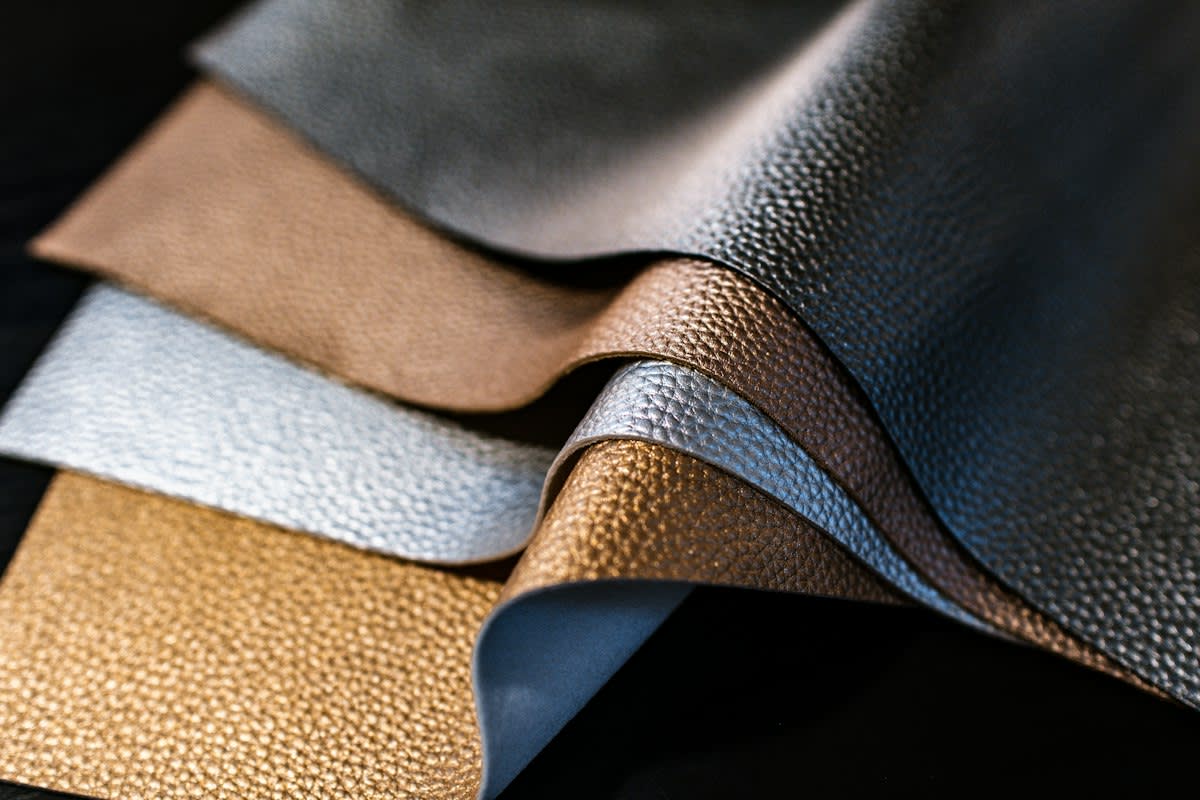
The process isn't magic; it is aggressive chemistry. Researchers extract cellulose from the peels and combine it with bio-based binders to create a non-woven textile. This isn't the flimsy 'fruit leather' snacks you find in health stores. This is a structural material designed to mimic the tensile strength of bovine hide. The technical challenge lies in the stabilization of the organic polymers to prevent biodegradation while the product is still in the consumer's closet. This is where the real industry whispers happen—the struggle to find a bio-coating that doesn't rely on toxic plastics while maintaining a luxury hand-feel.
The economics of this shift are stark. Traditional leather production is a logistical nightmare of methane emissions and chrome tanning. The luxury sector is terrified of the looming regulatory crackdown on animal hides in the EU. Thai bio-leather enters this vacuum not as a moral choice, but as a risk-mitigation strategy for luxury houses. By securing a supply chain of mango-based alternatives, brands can hedge against the volatility of the livestock market and the increasing cost of environmental compliance.
| Metric | Bovine Leather | Mango Bio-Leather | Synthetic PVC |
|---|---|---|---|
| Water Usage | High (Tanning) | Low (Extraction) | Moderate |
| Carbon Footprint | Extreme | Minimal | High |
| Production Cycle | Years | Weeks | Days |
| Market Margin | Moderate | Luxury Premium | Commodity Low |
Looking at the numbers, the leverage is obvious. The cost of raw mango waste is effectively zero, or even negative, as farmers are currently paying to have it removed. The value jump from waste to luxury material is the largest delta in the entire agricultural supply chain. This is the 'boardroom secret': the sustainability angle is the marketing wrapper, but the profit margin is the actual product.
"The transition from a fruit-based economy to a materials-based economy is not about ecology; it is about sovereignty. If we control the patent on the bio-polymer, we control the price, not the wholesalers in Shanghai."— Dr. Ananda S., Lead Researcher at the Thai Bio-Materials Institute
Ground-Level Friction: The Ugly Reality
On paper, the flow is seamless. In reality, it is a mess of political infighting and broken prototypes. The 'ugly' truth is that the agricultural cooperatives in rural Thailand don't trust the biotech startups in Bangkok. Farmers are used to being squeezed by middlemen; they view these new 'bio-leather' ventures as just another way for urban elites to extract value from their land. There have been documented clashes over who owns the 'waste'—does the peel belong to the farmer or the processing plant that paid for the harvest?
Then there is the hardware failure. Scaling a lab prototype to an industrial plant in Chachoengsao is where most of these projects die. Maintaining the precise temperature and pH levels required for cellulose extraction in a humid, non-climate-controlled warehouse is a nightmare. Early batches of mango leather were prone to molding in the tropical heat, leading to several failed pilot launches that the industry has since scrubbed from their public records. The resilience of the material is still being debated behind closed doors.
Legal loopholes also plague the sector. Thailand's current regulatory framework for 'leather' is rigid. If a product doesn't come from an animal, it cannot legally be called leather in certain export markets. This forces companies into a linguistic dance, using terms like 'bio-material' or 'vegan alternative,' which complicates the branding process for luxury houses that rely on the prestige of the word 'leather'. It is a bureaucratic friction that slows down the speed of market entry.
Despite this, the momentum is undeniable. The Ministry of Higher Education, Science, Research and Innovation (MHESI) has poured significant funding into bio-economy hubs to bridge the gap between the lab and the factory (Source: MHESI, 2023). They are attempting to force a synergy between the rural farmers and the urban chemists. Whether this succeeds depends on whether the profit-sharing models actually reach the farmers, or if the 'luxury' aspect only benefits the top of the pyramid.
The final hurdle is the consumer's ego. Luxury is built on exclusivity and heritage. Selling a bag made of mango peels requires a massive psychological shift. The industry is betting that the new generation of affluent buyers cares more about the 'story' of a waste-to-luxury pivot than the traditional pedigree of calfskin. If they are wrong, Thailand will be left with warehouses full of expensive, high-tech fruit skin that nobody wants to wear.
Fact-Check & Accuracy Note
The claim that mango leather is 100% biodegradable is currently debated. While the base cellulose is organic, many prototypes require synthetic cross-linkers to ensure the material doesn't dissolve in rain. The industry is still searching for a fully bio-based sealant that meets luxury durability standards.