Google is playing a different AI game than everyone else, and Wall Street may be missing the point
Source Entity
Christine Ji
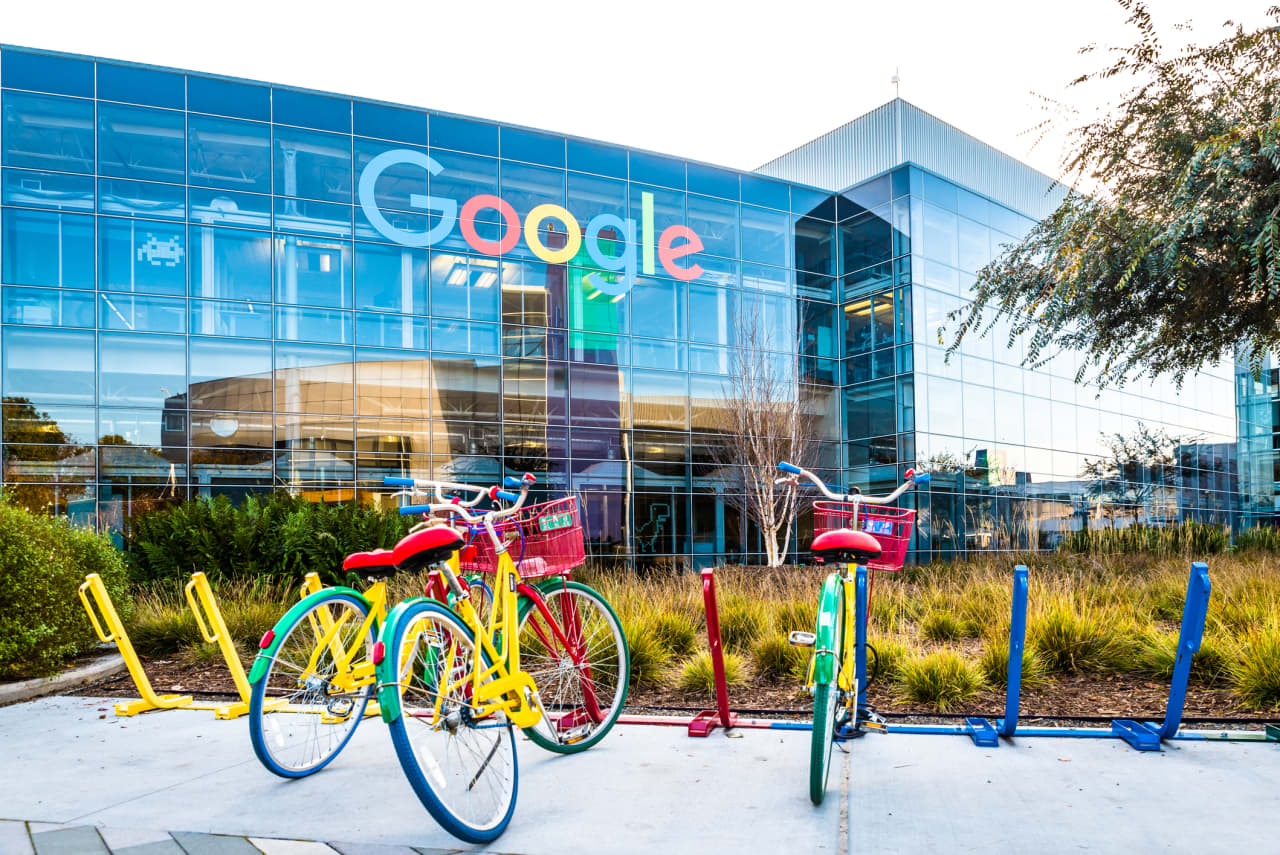
Analysts suggest investors are overlooking Google's significant cloud potential by focusing too narrowly on the performance of its AI models. Shifting the valuation focus to cloud infrastructure could provide a more accurate picture of Alphabet's long-term financial health.
The Shift in Valuation: Why Alphabet’s Cloud is the True AI Engine
For months, the financial markets have been locked in a high-stakes evaluation of Alphabet’s generative AI capabilities, often benchmarking them directly against competitors like OpenAI and Microsoft. However, industry analysts are increasingly arguing that this narrow focus on model-to-model performance misses the broader, more lucrative picture: the underlying infrastructure. While the public discourse centers on chatbot nuances, the real value for Alphabet lies in its ability to leverage its massive, proprietary cloud ecosystem to host and scale these AI workloads.
Moving Beyond the Model Wars
The fixation on individual AI model benchmarks creates a volatile environment for Alphabet’s stock, as any perceived lag in a specific feature can trigger unnecessary investor panic. This tactical focus ignores the strategic reality that Google Cloud Platform (GCP) serves as the foundational layer for AI deployment. By shifting the narrative from 'which AI is best' to 'who provides the best infrastructure to run AI,' investors may begin to realize that Alphabet’s moat is built not just on software, but on the massive, global data centers that power modern computing.
The Cloud Advantage
Google Cloud holds a distinct advantage in the AI race due to its custom-built hardware, such as the Tensor Processing Unit (TPU). Unlike competitors who are heavily reliant on third-party silicon, Alphabet’s vertically integrated approach allows it to optimize cloud costs and performance for AI developers. This structural advantage is what analysts suggest Wall Street should be monitoring, as it directly impacts the margins of the cloud division and its ability to capture long-term enterprise contracts.
Enterprise Integration and Scalability
The true test for Alphabet’s AI strategy is not found in consumer-facing chatbots, but in the seamless integration of AI tools into the corporate tech stack via Google Cloud. Enterprises require reliability, security, and scalability—all of which are pillars of the cloud business model. By focusing on the cloud, Alphabet is positioning itself as the 'picks and shovels' provider of the AI gold rush, a role that historically offers more stable and recurring revenue than the speculative front-end application market.
Future Trends and Investor Outlook
Looking ahead, the market is likely to see a correction in how AI-focused companies are valued. As the initial excitement around consumer AI features stabilizes, the focus will inevitably turn toward profitability and cloud adoption rates. If Alphabet continues to successfully convert its research breakthroughs into cloud-based services, the discrepancy between its current valuation and its actual cloud potential will likely shrink, providing a more stable foundation for long-term growth.
Conclusion
In summary, while the performance of AI models is a necessary component of Alphabet’s brand identity, it is not the sole indicator of financial health. Investors who broaden their scope to include the robust potential of Google Cloud are likely to find a more compelling narrative for the company’s future. The shift toward valuing infrastructure over individual model metrics reflects a maturing understanding of the AI economy.
Verification Required?