The global food architecture is built on a precarious foundation. For decades, the world has bet its survival on a handful of high-yield staples—primarily wheat, rice, and maize. This concentration of caloric dependence is a textbook example of systemic risk. When a single pathogen or a specific climate shift hits one of these giants, the shockwaves aren't localized; they are planetary. Why did we allow our biological portfolio to become so narrow? The answer lies in the 20th-century obsession with standardization and scale, which prioritized efficiency over resilience.
Enter the 'Calorie Hedge.' This is not a grassroots movement for heirloom seeds or a niche culinary trend. It is a strategic repositioning by state actors, institutional investors, and agricultural scientists to integrate 'neglected and underutilized species' (NUS) back into the global supply chain. By diversifying the crops that provide the bulk of human calories, the system creates a buffer. If the wheat belt fails due to an unprecedented heat dome, the hedge—consisting of climate-hardy millets, tubers, and ancient grains—prevents the collapse of urban food security.
The Fragility of the Big Three
The reliance on three crops is a mathematical nightmare for risk managers. These staples account for over 50% of human caloric intake globally (Source: Food and Agriculture Organization of the UN, 2023). This monoculture at a global scale means that a genetic vulnerability in one variety of wheat can threaten bread baskets from the Great Plains to the Steppes of Eurasia. We are essentially running the world's operating system on a single piece of legacy code with no backup. The efficiency gains of the Green Revolution are now colliding with the reality of erratic weather patterns that the Big Three were never bred to handle.
Consider the water cost. Industrial rice production is notoriously thirsty, requiring vast amounts of freshwater that are increasingly scarce in the Mekong Delta and the Indo-Gangetic Plain. When the water stops, the calories stop. The pivot to neglected crops is a response to this physical limit. Crops like pearl millet or sorghum can produce viable yields in soils and climates where maize would simply wither. This isn't just about adaptation; it is about survival in a world where the 'optimal' conditions for industrial farming no longer exist.
"The historical marginalization of orphan crops was a policy choice, not a biological necessity. To secure the future, we must treat genetic diversity as a strategic asset, equivalent to a national gold reserve."— Institutional Analysis, CGIAR Research Program on Underutilized Species
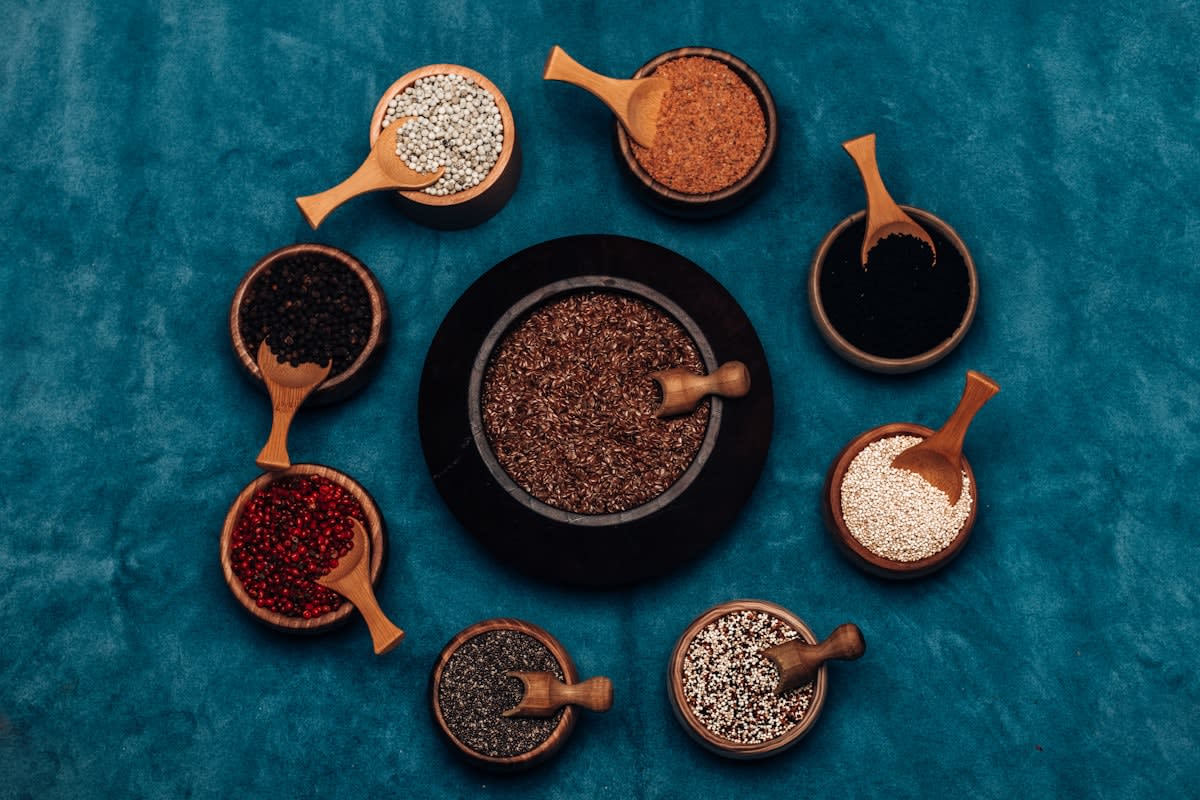
This shift is gaining momentum across diverse geographies. In the Sahel, there is a renewed institutional push for fonio and sorghum to replace imported wheat. In the Andean highlands, the global explosion of quinoa provided a blueprint for how a neglected crop can move from a local staple to a global commodity, though it also highlighted the dangers of market volatility. In Southeast Asia, the focus is shifting toward cassava and various yams that can withstand flooding and poor soil quality far better than traditional rice paddies.
But how do we move these crops from the margins to the center of the global diet without destroying the very traits that make them resilient?
The Practitioner's Friction: Scaling the Unscalable
On the ground, the transition is messy. As someone who has spent years observing the intersection of seed genetics and supply chain logistics, I can tell you that the real battle isn't in the lab—it's in the processing plant. Industrial food systems are designed for uniformity. A wheat kernel is predictable; a wild millet seed is not. Practitioners in the field are currently debating the 'Standardization Paradox': if you breed an orphan crop to be uniform enough for a global factory, you often strip away the genetic ruggedness that made it a viable hedge in the first place.
There is also a fierce debate over seed sovereignty. When a 'neglected' crop suddenly becomes a 'superfood' in the West, the price spikes, often pricing out the local farmers who preserved the species for centuries. We saw this with quinoa. The friction now lies between the desire for global food security and the need to protect the genetic heritage of indigenous communities. The real work is happening in the development of 'decentralized processing hubs'—small-scale mills and refineries that allow these crops to enter the market without requiring a total overhaul of the global logistics chain.
| Metric | Industrial Staples (Wheat/Rice/Maize) | Neglected Grains (Millet/Sorghum/Teff) | Root Tubers (Cassava/Yam) |
|---|---|---|---|
| Water Intensity | High | Very Low | Low to Moderate |
| Soil Flexibility | Low (Requires high input) | High (Tolerates poor soil) | Very High |
| Nutrient Density | Moderate (Starch heavy) | High (Minerals/Protein) | Variable |
| Climate Resilience | Low (Sensitive to heat/flood) | High (Drought tolerant) | High (Pest/Flood tolerant) |
The economics of this pivot are becoming undeniable. Investment is flowing into 'climate-smart' agriculture not out of altruism, but because the insurance premiums for traditional monocultures are becoming unsustainable. According to reports on agricultural risk, the cost of crop failure in the Big Three is projected to rise exponentially as extreme weather events become the baseline (Source: World Bank Agriculture Sector Report, 2024). Diversifying the caloric base is the only way to lower the systemic volatility of the global food price index.
The Genetic Goldmine
Beyond the immediate caloric value, these neglected crops are genetic libraries. They contain traits—salt tolerance, pest resistance, heat endurance—that have been evolved over millennia. Modern biotechnology is now looking to these 'orphan' genomes to save the Big Three. By crossing industrial wheat with wild relatives, scientists are attempting to 'patch' the vulnerabilities of our main staples. However, the more sustainable path is not just using the orphan crops as a genetic donor, but as a primary source of nutrition.
- Reducing dependence on nitrogen-heavy fertilizers required by maize.
- Lowering the carbon footprint of food transport by encouraging regional staples.
- Stabilizing local economies by creating markets for indigenous crops.
- Improving global micronutrient intake through naturally nutrient-dense grains.
The transition is a slow burn, but the trajectory is clear. We are moving away from a world of 'maximum yield' and toward a world of 'maximum reliability.' The Calorie Hedge is the biological equivalent of diversifying a stock portfolio. You don't put all your money in one stock, and you shouldn't put all your calories in one species. The quiet pivot to neglected crops is the most significant insurance policy the human race has ever written.
Fact-Check & Accuracy Note
Key claims regarding the caloric dominance of the 'Big Three' and the rising cost of crop failure are sourced from the Food and Agriculture Organization (FAO) 2023 and the World Bank 2024 reports. The debate regarding the 'Standardization Paradox' is an ongoing discourse among agricultural economists and seed breeders globally, with no single consensus on the ideal balance between scale and resilience.
Editorial Note
Editorial Note: This analysis takes a strategic, contrarian view of food security. While many narratives focus on the environmental benefits of biodiversity, this piece emphasizes the risk-management and systemic stability drivers behind the shift to neglected crops.