Iran targets US military base in Bahrain with drone attack
Source Entity
BBC News
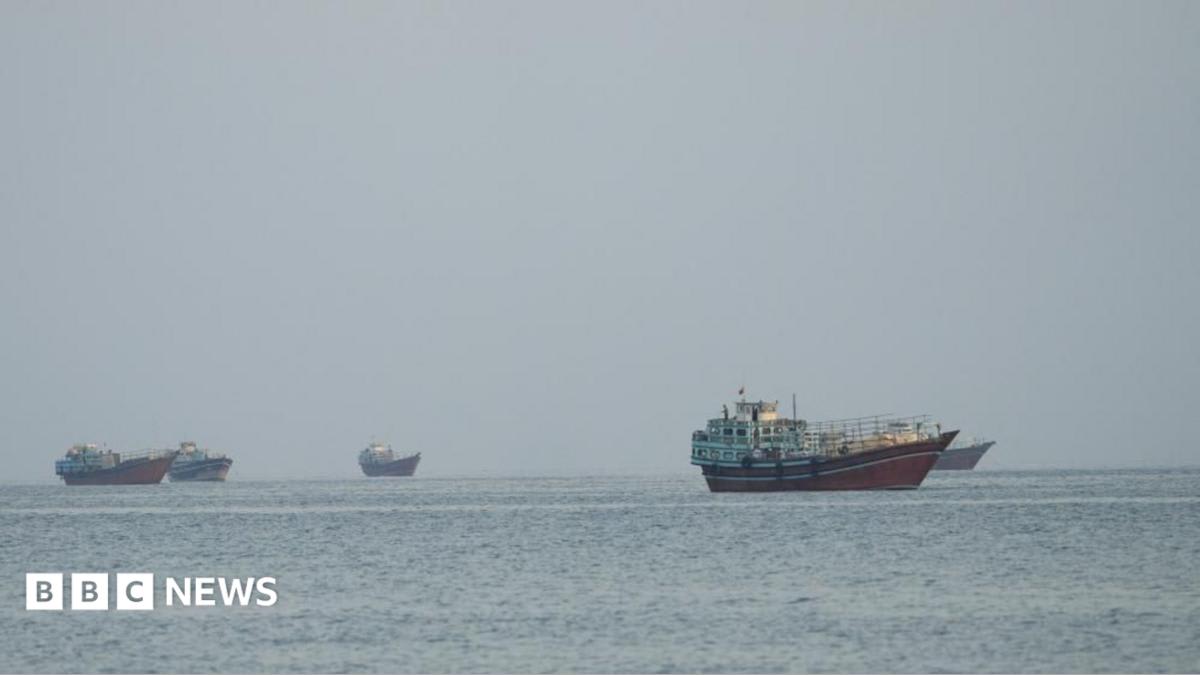
Iran has launched two drone attacks on a US military base in Bahrain within three days, targeting radar facilities at al-Riffa air base. In response to the escalating tensions and the ongoing stand-off over the Strait of Hormuz, the US has deployed a third aircraft carrier, the USS Theodore Roosevelt, to the region.
Escalating Tensions: Iran Targets Bahraini Bases
The geopolitical landscape in the Middle East has entered a period of acute volatility following a series of drone strikes launched by Iran’s Islamic Revolutionary Guard Corps (IRGC) against the al-Riffa air base in Bahrain. These attacks, occurring twice within a three-day window, represent a direct confrontation with U.S. military interests stationed in the island kingdom. By specifically targeting air defense radar facilities, Iran is signaling a tactical attempt to degrade the defensive capabilities of the U.S. Navy’s Fifth Fleet, which is headquartered in Bahrain.
The Strategic Importance of the Strait of Hormuz
At the heart of this confrontation lies the ongoing stand-off regarding the Strait of Hormuz. This narrow waterway is a critical global chokepoint, facilitating the passage of approximately 20% of the world’s oil and gas supply. Since the outbreak of war in February, shipping through this vital artery has been severely restricted. Iran’s aggressive posturing appears to be an attempt to assert control over the waterway, challenging the U.S.-led maritime security architecture that has historically maintained free-flowing trade in the Gulf.
Bahrain’s Defensive Response
Bahraini authorities have faced significant pressure as these attacks have necessitated the sounding of missile-alert sirens and public warnings to take shelter in and around the capital, Manama. While the Bahraini military successfully intercepted the drones before they could reach their intended objectives, the psychological and strategic impact on the region is profound. The lack of immediate confirmation regarding damage has kept local populations and international observers in a state of high alert.
U.S. Military Reinforcements
In a clear signal of deterrence, the United States has bolstered its naval presence in the region. The arrival of the USS Theodore Roosevelt into the U.S. Central Command (CENTCOM) area of responsibility brings the total number of U.S. aircraft carrier strike groups in the area to three. This concentration of naval power—consisting of fighter aircraft, escort vessels, and extensive support ships—underscores the U.S. commitment to protecting its assets and maintaining regional stability amidst the stalemate in diplomatic negotiations.
Broader Implications and Future Trends
The convergence of drone warfare and naval blockades marks a dangerous evolution in regional skirmishes. As Iran continues to test the defensive perimeter of Gulf nations, the risk of miscalculation remains high. The deployment of additional American carrier groups suggests that the U.S. is preparing for a prolonged period of containment. Moving forward, the effectiveness of these defensive measures will be tested against Iran’s evolving drone capabilities, potentially leading to a permanent change in the security architecture of the Persian Gulf.
Multiple Citing Sources