PM Modi Embraces Filipino Formal Wear At ASEAN Gala Dinner In Manila
Source Entity
NDTV News Search Records Found 1000
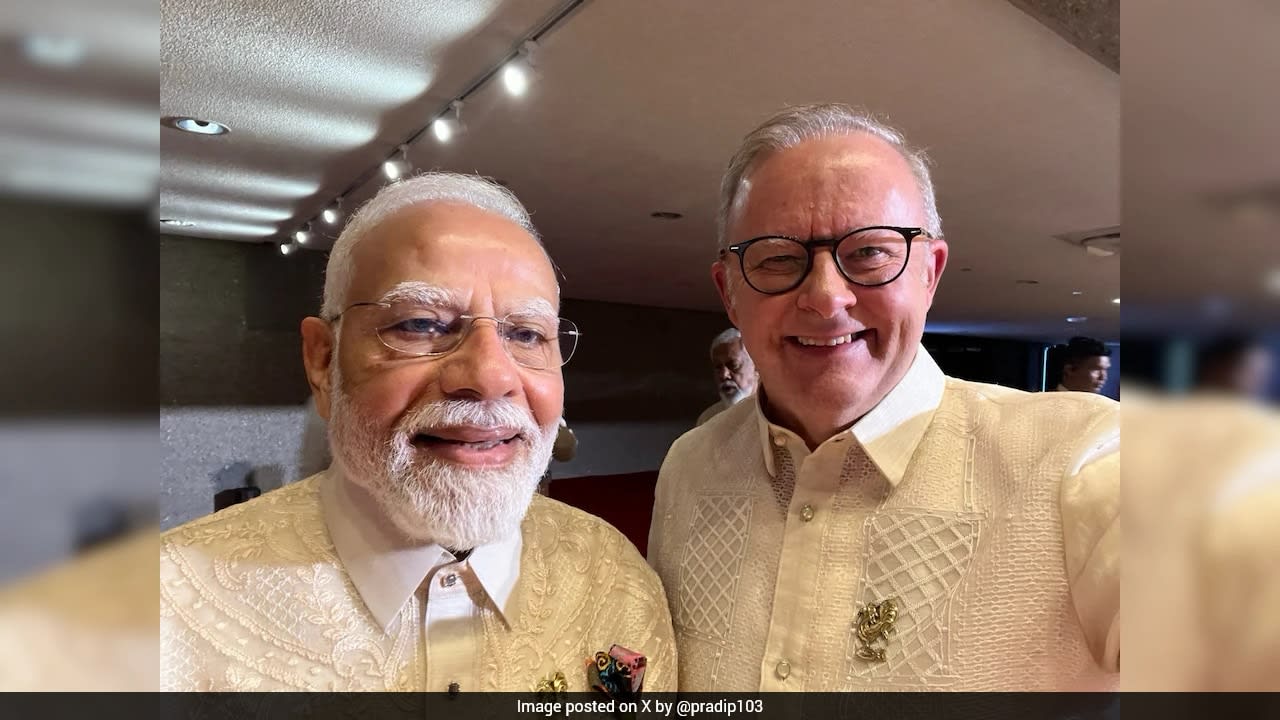
Prime Minister Narendra Modi has arrived in Manila for the 23rd ASEAN-India and 21st East Asia Summits. The visit underscores India's 'Act East' policy, focusing on maritime security, economic partnerships, and strategic regional cooperation.
Strengthening Ties: PM Modi’s Strategic Visit to Manila
Prime Minister Narendra Modi’s arrival in Manila, Philippines, on November 16, 2026, marks a pivotal moment in India's diplomatic engagement with Southeast Asia. Invited by President Ferdinand R. Marcos Jr., the Prime Minister is set to participate in the 23rd ASEAN-India Summit and the 21st East Asia Summit. This visit is not merely ceremonial; it serves as a high-level reaffirmation of India’s commitment to the 'Act East' policy, which remains a cornerstone of the nation's foreign strategy in the Indo-Pacific region.
The Core of the 'Act East' Policy
At the heart of Mr. Modi’s agenda is the integration of India’s economic and security interests with the ASEAN bloc. The Prime Minister has explicitly linked these relations to his 'MAHASAGAR' vision, emphasizing that the partnership is built upon centuries of civilizational exchange. By focusing on trade, connectivity, and maritime security, India aims to transform historical cultural ties into a modern, dynamic partnership that can navigate the complexities of contemporary geopolitical shifts.
A Multilateral Diplomatic Hub
The summit in Manila serves as a melting pot of global leadership. Beyond the ASEAN-specific discussions, the presence of major world leaders, including US President Donald Trump, Brazil’s Luiz Inacio Lula da Silva, and Canadian Prime Minister Mark Carney, highlights the strategic importance of the event. The margins of the summit provide a unique platform for the Quad Leaders’ Summit—an essential mechanism for maintaining a free and open Indo-Pacific—further elevating the significance of Mr. Modi’s three-day itinerary.
Economic and Maritime Security Imperatives
Economic cooperation and maritime security are expected to dominate the bilateral and multilateral dialogues. As regional waters become increasingly contested, India’s push for enhanced maritime security ties reflects a broader desire to secure trade routes and promote stability. Expanding commercial partnerships remains vital, as India seeks to bolster its supply chain resilience through deeper collaboration with ASEAN economies.
Cultural Engagement and Diaspora Diplomacy
Beyond the high-stakes political meetings, the visit includes significant cultural engagement, evidenced by the Prime Minister’s reception by the local Indian community. His decision to embrace Filipino formal wear at the gala dinner serves as a symbolic gesture of cultural respect and diplomatic warmth. This 'soft power' approach is a hallmark of Mr. Modi’s foreign policy, ensuring that bilateral relations are strengthened not only at the state level but through the shared experiences of people-to-people connections.
Future Trends and Regional Outlook
Looking forward, the outcomes of the 2026 Manila summits will likely dictate the trajectory of India-ASEAN relations for the next decade. By positioning itself as a central player in the East Asia Summit, India is signaling its intent to be a proactive stakeholder in regional architecture. As global conflicts and economic fluctuations persist, the alignment of interests between India and its Southeast Asian partners will be critical in fostering a balanced and prosperous regional order.
Multiple Citing Sources
Verification Required?