'I may not return alive': Ex-Pakistan PM Imran Khan seeks urgent medical help
Source Entity
PRISHA PATNAIK
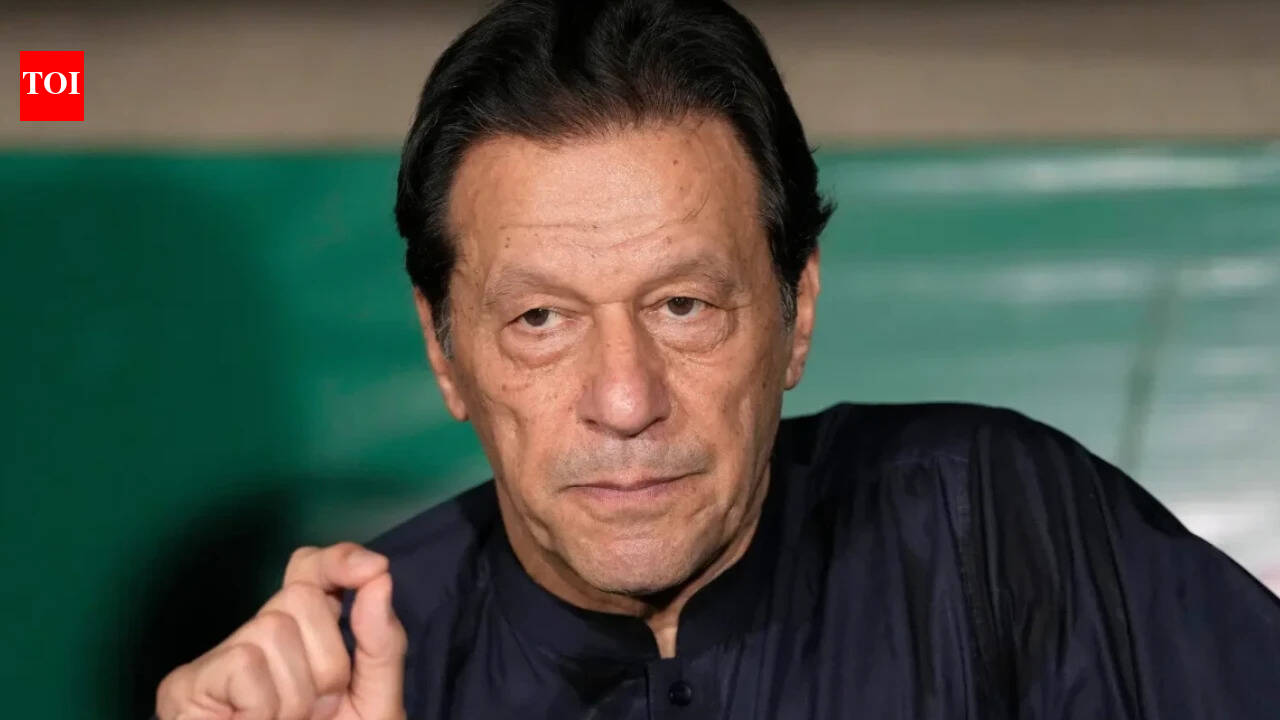
Former Pakistan PM Imran Khan has petitioned the judiciary regarding his deteriorating health and solitary confinement at Adiala Jail. He alleges that medical risks, including high blood pressure, are being ignored by authorities despite court orders.
The Crisis of Incarceration: Imran Khan’s Plea from Adiala
Former Prime Minister of Pakistan, Imran Khan, has issued a grave warning regarding his physical well-being while imprisoned at Rawalpindi’s Adiala Jail. In an open letter addressed to the nation's top judges, the PTI leader has articulated a dire assessment of his health, suggesting that his current conditions may lead to fatal complications. This correspondence, drafted by his legal counsel, highlights a deepening rift between the incarcerated political leader and the state authorities overseeing his detention.
Medical Negligence and Clinical Risks
The core of Khan's petition rests on reports from medical professionals who have monitored his vitals, noting blood pressure readings as high as 192 and 193. Khan claims that these alarming indicators point toward a significant risk of brain hemorrhage or cardiac arrest. By bringing these clinical findings to the attention of the Chief Justice, Khan is effectively placing the onus of his survival on the judiciary, arguing that the failure to provide adequate medical intervention constitutes a direct threat to his life.
The Challenge of Solitary Confinement
Beyond his own health, Khan has shed light on the psychological and physical toll of his incarceration. He reports being held in solitary confinement for up to 22 hours daily, a condition that he argues has exacerbated his decline. The isolation, coupled with the alleged neglect of previous court-mandated medical treatments, suggests a systemic failure in upholding the rights of high-profile political prisoners. This isolation serves to sever his connection with the outside world, further complicating his ability to manage his health.
Concerns for Bushra Bibi
Khan’s plea extends to his wife, Bushra Bibi, whose health he claims is also failing. Specifically, he has raised alarms regarding her vision, fearing that she may suffer permanent damage due to a lack of proper medical attention following a surgical procedure. By linking his own plight to the suffering of his spouse, Khan is attempting to frame his situation as a humanitarian crisis that transcends traditional political discourse.
Judicial Oversight and State Compliance
A critical component of this legal struggle is the claim that authorities have ignored specific directives from the Supreme Court regarding hospital transfers and family communication. If these allegations are verified, they indicate a potential breakdown in the enforcement of judicial orders within the prison system. This conflict highlights the broader tension between the judiciary and the executive branch in Pakistan, as the courts struggle to ensure that their mandates are respected within the confines of the state's security apparatus.
Future Implications and Political Stability
The situation at Adiala Jail carries significant weight for Pakistan’s political future. As a former head of state, Khan’s continued incarceration and declining health serve as a rallying point for his supporters. Should his health continue to deteriorate without intervention, it could trigger widespread civil unrest and further polarize an already divided electorate. The international community and domestic stakeholders will likely be watching the judiciary’s response to this letter closely, as the outcome will set a precedent for the treatment of political figures in the country.