3 US Aircraft Carriers Operating In Middle East
Source Entity
NDTV News Search Records Found 1000
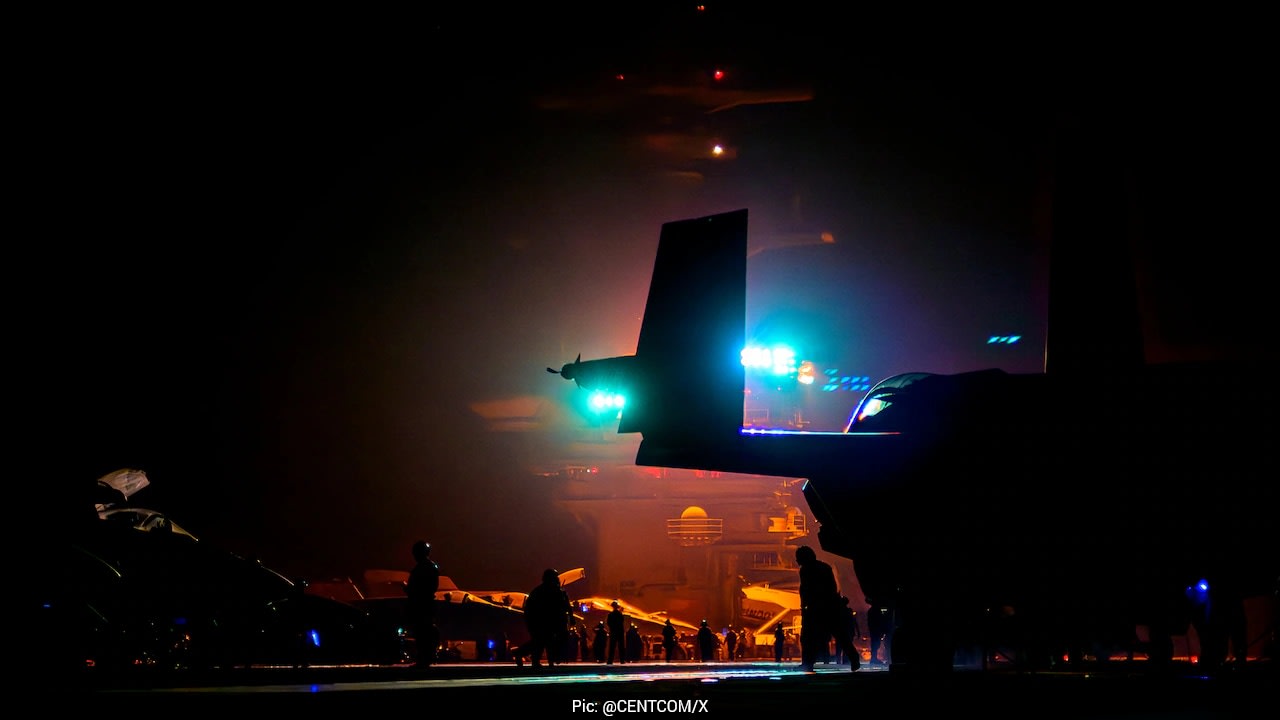
The United States has deployed three aircraft carriers, including the USS Theodore Roosevelt, to the Middle East amid heightening tensions with Iran. This strategic buildup follows recent airstrikes on Iranian-linked sites and ongoing security concerns near the Strait of Hormuz.
Strategic Naval Buildup in the Middle East
The recent deployment of the USS Theodore Roosevelt to the Middle East marks a significant escalation in the United States' military posture within the region. By joining the USS George H.W. Bush and the USS George Washington, the U.S. has effectively concentrated three aircraft carrier strike groups into the area of responsibility managed by U.S. Central Command (CENTCOM). This maneuver represents a substantial injection of combat power, including thousands of personnel and hundreds of advanced combat aircraft, designed to signal resolve to regional adversaries.
Geopolitical Drivers and Escalating Tensions
This military surge is a direct response to the deepening crisis involving Iran. The region has seen a volatile cycle of escalation, characterized by U.S. airstrikes against Iranian-linked targets and reciprocal hostility from Tehran. These developments are further exacerbated by Iran's refusal to permit international nuclear inspections, a point of contention that has long strained diplomatic relations and heightened fears of a broader conflict involving nuclear proliferation risks.
The Strategic Importance of the Strait of Hormuz
Central to these developments is the security of the Strait of Hormuz, a global maritime chokepoint. The report of attacks on oil tankers in this critical waterway underscores the fragility of international trade routes. The presence of three carrier strike groups serves as a deterrent against further interference with global energy supplies, as any disruption in the Strait would have immediate and severe consequences for the global economy.
Assessing Military Deterrence
From a strategic perspective, the deployment of carrier strike groups is intended to provide the U.S. with a flexible, mobile, and potent force capable of responding to a variety of contingencies. By concentrating these assets, the U.S. military aims to provide a credible deterrent that discourages further aggression. However, the presence of such a significant force also creates a high-pressure environment where miscalculations could lead to an unintended regional war.
Future Implications and Regional Stability
Looking ahead, the stability of the Middle East remains tied to the delicate balance between active deterrence and diplomatic engagement. The buildup suggests that the U.S. is preparing for a sustained period of high-readiness operations. Future trends will likely depend on whether these military assets succeed in de-escalating the situation or if they inadvertently invite further provocations, necessitating a shift in either foreign policy or military strategy to maintain regional order.
Verification Required?