'We slept here.' Flight delays linger as airlines scramble to recover from ground stop
Source Entity
US Top News and Analysis
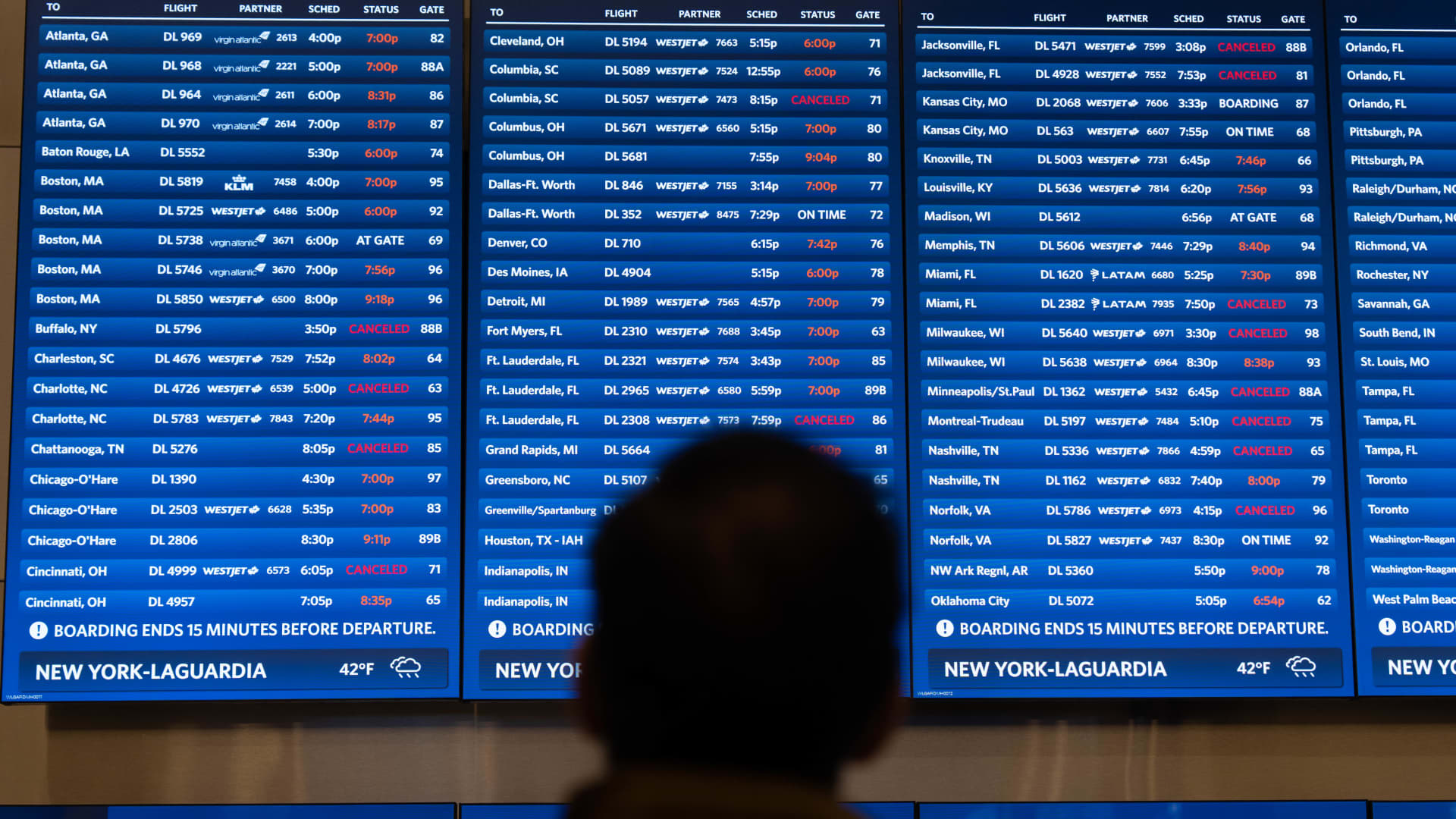
A massive FAA ground stop caused by a faulty router during a network upgrade led to thousands of flight cancellations and delays. Transportation Secretary Sean Duffy is investigating L3Harris, the contractor involved in the system failure, for potential incompetence.
The Anatomy of the FAA System Failure
The recent nationwide ground stop that paralyzed the United States aviation sector serves as a stark reminder of the fragility inherent in critical infrastructure. On Friday, the Federal Aviation Administration (FAA) issued a rare, hours-long halt to flight departures across the country. This unprecedented disruption, which lasted over four hours, was not the result of a cyberattack or malicious interference, but rather an internal technical malfunction triggered during a routine network upgrade.
Technical Root Cause: The Router Catastrophe
According to US Transportation Secretary Sean Duffy, the crisis originated during an effort to modernize the agency's infrastructure, specifically transitioning from legacy copper wiring to high-capacity fiber optics. During this transition, a router being replaced began to malfunction, flooding other routers within the system with extraneous traffic. This localized technical error rapidly cascaded, overwhelming the network and forcing the FAA to ground all flights to ensure the safety of the flying public.
Accountability and Contractor Scrutiny
The incident has placed the spotlight firmly on L3Harris, the contractor tasked with the network overhaul. Secretary Duffy has publicly questioned whether the failure stemmed from technical complexity or corporate "incompetence." The scrutiny is heightened by the fact that L3Harris is a high-profile contractor, currently involved in projects such as the refurbishment of a jet gifted to President Trump by Qatar. As investigations continue, L3Harris has issued a statement confirming their cooperation with the FAA, emphasizing their commitment to rectifying the operational failures.
The Human and Economic Toll
While the FAA lifted the ground stop at 8:15 p.m. ET on Friday, the ripple effects of such a massive shutdown are not easily contained. As of Saturday morning, data from FlightAware indicated a staggering volume of disruption, with over 6,200 flight delays and more than 3,400 cancellations. The logistical nightmare of rescheduling thousands of displaced passengers and repositioning flight crews means that the travel chaos is projected to persist well into Sunday, affecting the plans of countless travelers nationwide.
Future Implications for Aviation Infrastructure
This event highlights the broader risk of modernizing aging, mission-critical systems. The FAA maintains that the safety of the flying public is its highest priority, noting that they conducted thorough testing to confirm system stability before resuming operations. However, the incident raises significant questions regarding the oversight of contractors and the resilience of U.S. aviation technology. As the industry moves toward digital transformation, the balance between upgrading legacy systems and maintaining operational continuity will remain a primary challenge for both the Department of Transportation and its private sector partners.
Conclusion
As the dust settles on this weekend of travel disruption, the aviation industry faces a period of intense review. The immediate focus remains on clearing the backlog of delayed flights and restoring normal service levels. In the long term, the FAA and its contractors must reconcile the necessity of technological modernization with the absolute requirement for stability in the national airspace system to prevent such a wide-scale systemic collapse from occurring again.
Multiple Citing Sources