Uttarakhand: Heavy Snowfall Blankets Badrinath Dham Ahead Of Winter Closure | #shorts
Source Entity
Latest News: Todays Latest News Headlines from India & World | Hindustan Times
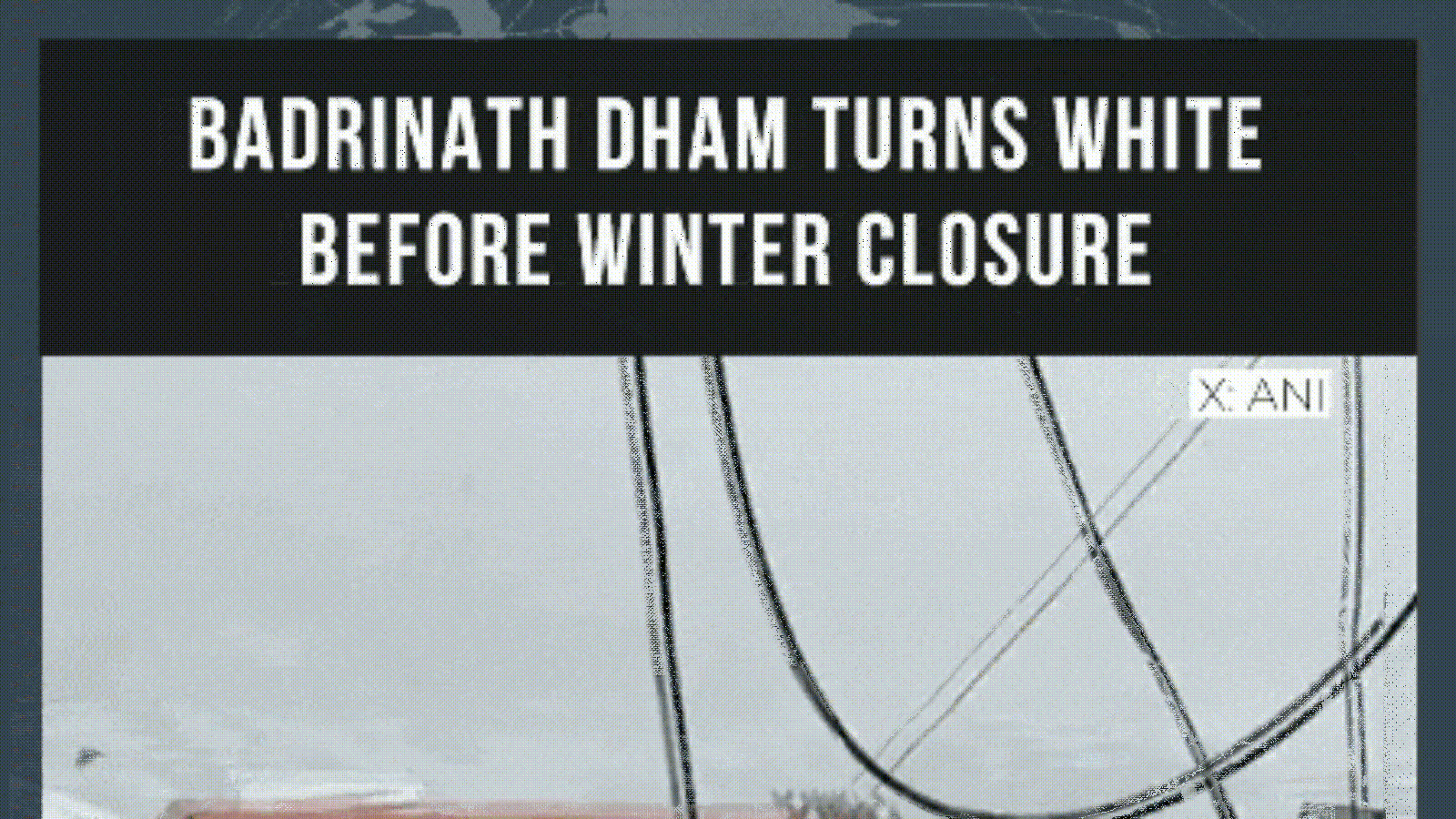
Badrinath Dham in Uttarakhand has experienced significant snowfall as the temple prepares for its seasonal winter closure. This event marks the traditional transition into the period when the shrine remains inaccessible due to extreme Himalayan weather.
The Seasonal Transformation of Badrinath Dham
The recent heavy snowfall at Badrinath Dham in Uttarakhand serves as a powerful reminder of the cyclical nature of life in the high Himalayas. As the region braces for the harsh winter months, the blanket of snow covering the sacred shrine signals the imminent conclusion of the annual pilgrimage season. This meteorological event is a routine yet profound marker for the temple authorities and local communities who manage the site's transition into hibernation.
Meteorological Impact and Traditional Closure
The accumulation of snow at such altitudes is a standard precursor to the winter closure, a practice deeply rooted in religious tradition and logistical necessity. Because Badrinath is situated at a high elevation, the extreme cold and heavy precipitation make the region virtually inaccessible to pilgrims for several months. The timing of this snowfall, while expected, dictates the final logistics for the closing ceremonies, ensuring the safety of both the temple staff and the infrastructure itself.
The Significance of the Winter Shutdown
For centuries, the closure of Badrinath Dham has been a ritualized process that reflects the symbiotic relationship between the Himalayan environment and spiritual practices. During this period, the deity is symbolically moved to a lower altitude, allowing the high-mountain temple to remain undisturbed by the brutal winter elements. This seasonal migration is a testament to how local traditions have adapted to the unforgiving climate of the Garhwal Himalayas.
Broader Environmental Context
The Himalayas are increasingly sensitive to shifts in weather patterns, and early or heavy snowfall often provides climatologists with data regarding regional climate trends. While this event is part of the regular annual cycle, the intensity of such snowfalls highlights the volatility of high-altitude weather. The impact on local infrastructure, such as roads and supply chains, remains a critical focus for state disaster management authorities who monitor these mountain passes closely.
Future Trends and Resilience
Looking ahead, the management of Badrinath Dham continues to evolve, balancing ancient traditions with modern safety protocols. As winter approaches, authorities will focus on securing the site and ensuring that the transition is seamless. The resilience of this pilgrimage site, which has withstood centuries of extreme weather, remains a focal point for both religious devotion and regional tourism management in Uttarakhand.
Conclusive Summary
The heavy snowfall at Badrinath Dham is a definitive sign that the winter closure is underway. This seasonal shift highlights the interplay between environmental conditions and the preservation of historic religious sites. As the temple enters its period of seclusion, the focus shifts to maintaining the sanctity and structural integrity of the shrine until the return of spring.
Verification Required?