
Why does the 3 PM slump feel like an inevitable law of nature? You eat a healthy-looking lunch—perhaps a quinoa bowl or a turkey sandwich—and two hours later, your brain feels like it has been wrapped in cotton wool. You reach for a second coffee or a sugary snack, triggering a vicious cycle of peaks and valleys. This isn't a failure of willpower; it is a failure of sequencing. When you ingest carbohydrates or sugars on an empty stomach, they convert to glucose rapidly, flooding your bloodstream and forcing your pancreas to dump insulin to compensate. The resulting crash is what leaves you staring blankly at your monitor, wondering where your productivity went.
The solution is not to banish carbohydrates—which are essential for brain function—but to change the arrival time of those sugars in your small intestine. By strategically layering your food, you create a biological filter that slows down the absorption of glucose. This is the essence of the Glucose Sequence. It is a tactical approach to eating that leverages the physics of digestion to maintain a steady stream of energy rather than a chaotic surge. I have implemented this system across diverse dietary patterns, from high-carb plant-based diets in Southeast Asia to protein-heavy regimens in Northern Europe, and the results are consistently the same: stability.
Prerequisites: Your Biological Toolkit
Before you restructure your plate, you must understand the roles of the four primary macronutrient groups. You do not need expensive supplements or complex tracking apps. You simply need a basic awareness of how these components interact within your gut. The goal is to prevent a 'glucose spike,' which is defined as a rapid rise in blood sugar levels that exceeds the body's immediate ability to utilize that energy (Source: Jessie Inchauspé, The Glucose Goddess, 2022).
- Fiber: Found in leafy greens, cruciferous vegetables, and legumes. Fiber acts as a protective mesh in the small intestine.
- Proteins: Found in fish, poultry, tofu, eggs, and legumes. Proteins slow down gastric emptying.
- Fats: Found in avocados, olive oil, nuts, and seeds. Fats further delay the digestion of sugars.
- Starches and Sugars: Found in rice, pasta, bread, fruit, and sweets. These are the primary drivers of glucose spikes.
The Step-by-Step Sequencing Protocol
The order of operations is non-negotiable if you want to eliminate the slump. The biological objective is to ensure that by the time the glucose from your starches hits your system, there is already a 'buffer' of fiber and protein waiting to slow it down. This prevents the sharp vertical climb in blood sugar that triggers the subsequent insulin crash.
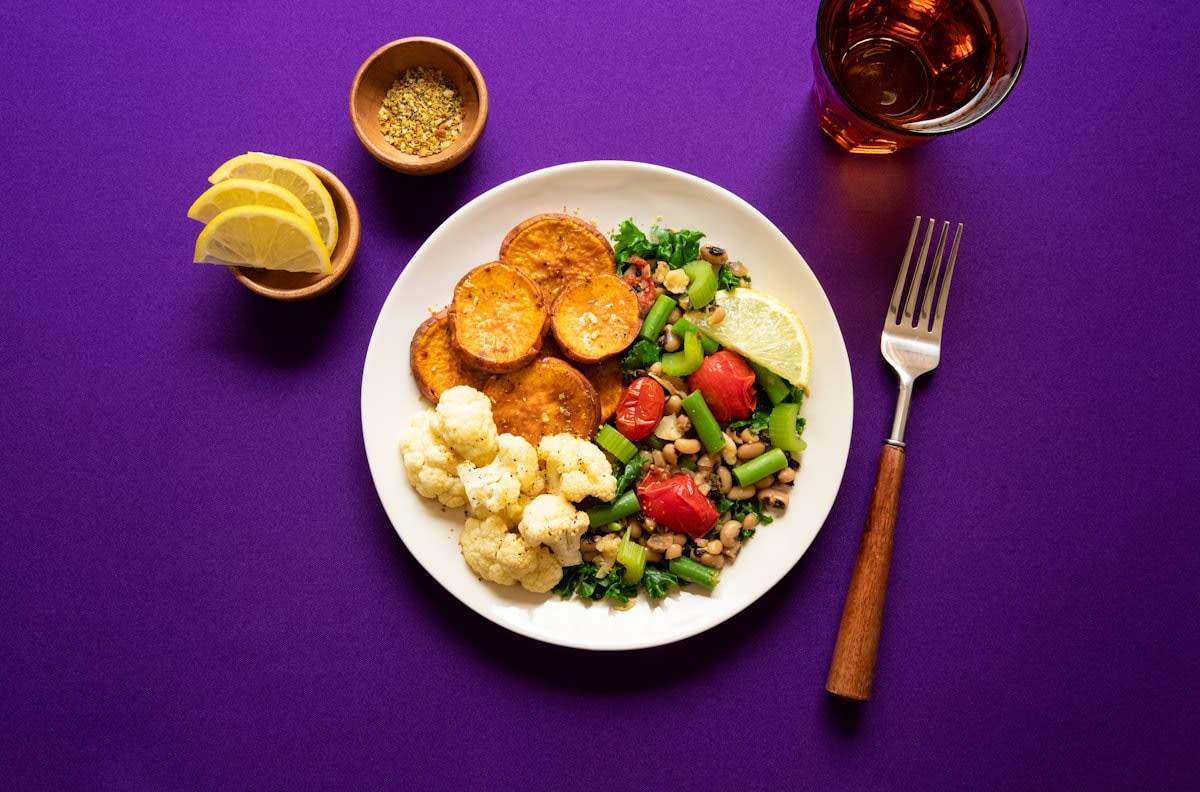
- Step 1: Start with Fiber. Eat your vegetables first. Whether it is a side of sautéed spinach in India, a salad in France, or kimchi in Korea, the fiber must enter the gut first. This creates a viscous layer in the small intestine that slows the absorption of subsequent sugars.
- Step 2: Follow with Protein and Fats. Consume your meat, fish, tofu, or nuts second. Proteins and fats further slow down the process of gastric emptying, meaning the food stays in your stomach longer and enters the bloodstream more gradually.
- Step 3: Finish with Starches and Sugars. Save the rice, potatoes, bread, or dessert for the end of the meal. Because the fiber and protein are already present, the glucose from these foods is absorbed far more slowly, flattening the curve.
- Step 4: Optional Post-Meal Movement. A ten-minute walk or light activity immediately after eating allows your muscles to soak up the excess glucose without requiring a massive insulin response.
"The order in which you eat your food can significantly change the glucose response of the meal, reducing the peak glucose levels and the subsequent insulin spike by as much as 75% in some individuals."— Jessie Inchauspé, Author and Biochemist
Does this mean you can eat unlimited sugar as long as you eat a salad first? Absolutely not. The sequence is a tool for management, not a license for excess. However, it transforms a meal that would normally knock you unconscious at 3 PM into a source of steady, usable fuel. I have seen this shift move people from a state of chronic brain fog to high-performance clarity simply by moving the bread from the start of the meal to the end.
Global Applications: Real-World Contexts
Applying this in a laboratory is easy; applying it in a bustling city or a corporate boardroom is where the real work happens. Consider a traditional Japanese meal: if you eat the miso soup and pickled vegetables first, then the grilled fish, and finally the steamed rice, you have naturally followed the Glucose Sequence. Contrast this with a Western breakfast where a pastry or sweetened cereal is the first thing to hit an empty stomach, guaranteeing a mid-morning crash.
In Latin American contexts, a meal centered around beans, rice, and grilled meat can be optimized by consuming the avocado and fresh salsa first, followed by the protein, and ending with the rice. The logic remains universal regardless of the cuisine. The goal is always to protect the gut lining with fiber before introducing the glucose-heavy components.
The Practitioner's Perspective: Ground-Level Realities
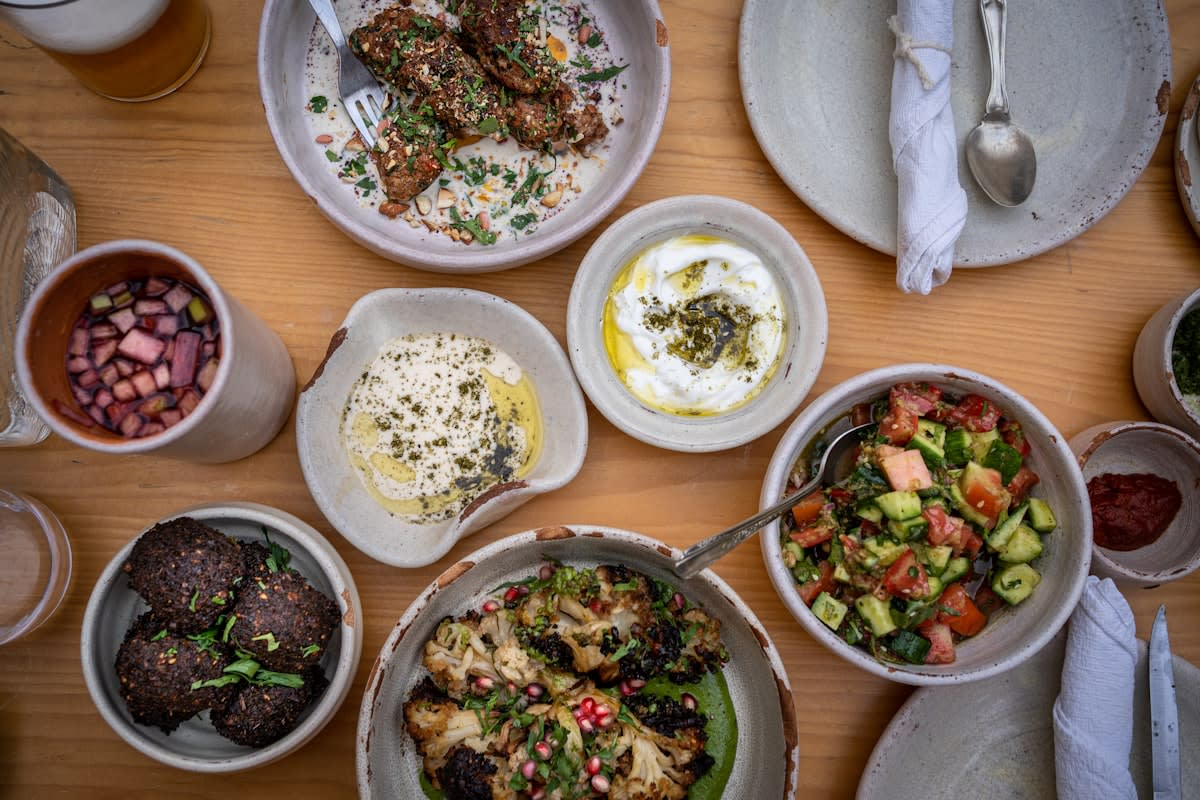
In my years of implementing these protocols, the biggest friction point isn't the science—it is the social pressure. We are conditioned to share appetizers or dive straight into the main course. I often encounter 'the bread basket dilemma' in professional settings. When a basket of warm sourdough arrives at a business lunch, the instinct is to eat it immediately. Practitioners in this field debate whether a small amount of fat (like butter) on that bread is enough to mitigate the spike. My experience? It isn't. Even with butter, the lack of fiber means the glucose hits the system too fast. The real move is to politely ignore the bread until the salad and protein are gone.
There is also the challenge of corporate catering—the infamous sandwich platter. When your only options are a wrap and a bowl of fruit, you are set up for a crash. The 'pro move' here is to find a way to introduce fiber first. I carry a small bag of raw almonds or a handful of baby carrots specifically for these scenarios. By creating a makeshift 'fiber first' phase, you can handle the starch of the wrap without the subsequent cognitive decline.
Common Pitfalls to Avoid
Many people attempt to implement the sequence but fail because they overlook the 'hidden' sugars in their starters. If your salad is drenched in a honey-mustard dressing or a sugary balsamic glaze, you are essentially eating dessert as an appetizer. This negates the fiber's protective effect because the sugar is absorbed simultaneously with the fiber, rather than after it.
- The Fruit-First Mistake: Eating a piece of fruit on an empty stomach is one of the fastest ways to trigger a glucose spike. Always pair fruit with a protein or fat, or eat it at the end of a meal.
- The 'Healthy' Smoothie Trap: Blending vegetables and fruits breaks down the fiber structure, making the sugar absorb faster. If you drink a smoothie, add a tablespoon of chia seeds or a scoop of protein powder to slow the absorption.
- Overestimating 'Whole Grains': While brown rice is better than white, it is still a starch. It must still come last in the sequence to avoid the slump.
Fact-Check & Accuracy Note
Key claims regarding the reduction of glucose spikes through food sequencing are based on the methodology popularized by biochemist Jessie Inchauspé and supported by general principles of glycemic index and gastric emptying. While the 75% reduction is a cited benchmark in specific case studies, individual responses vary based on insulin sensitivity, gut microbiome composition, and activity levels. Ongoing debate in nutritional science continues regarding the precise percentage of impact across different demographic groups.