
The Tipping Point of Protein
The global food industry is no longer merely iterating; it is pivoting. We are seeing a fundamental shift in how protein is conceived, produced, and marketed. For years, the conversation centered on simple plant-based substitutes that mimicked meat. Today, the focus has shifted toward functional, high-protein, and clean-label products that serve as nutritional complements rather than just replacements. This is not a slow evolution but a strategic leap, driven by a consumer base that demands efficiency, fuel, and focused nutrition in every calorie.
Antoine de Saint-Affrique, CEO of Danone, recently declared that the food industry is at a tipping point. This sentiment is reflected in Danone's aggressive expansion of its innovation pipeline across North America for the latter half of 2026 and into 2027. The company is repositioning legacy brands like Activia, Oikos, and Silk to align with this new demand. The results are already visible in the data: Oikos, positioned as a high-protein brand, saw strong growth during the second quarter and first half of 2026. The shift is clear—the market is moving from 'plant-based' to 'plant-powered' nutrition.
"We believe the food industry is at a tipping point... repositioning our seal from a plant-based brand to a plant-powered nutritional complement."— Antoine de Saint-Affrique, CEO of Danone
Why now? If we look back twelve months, the narrative was dominated by the survival of meat alternatives. Now, the delta is unmistakable. The focus has migrated toward the biological engine of production. We are seeing a surge in precision fermentation and bio-engineered inputs that allow for higher protein density and better functional profiles. This isn't just about replacing a burger; it's about optimizing the human biological machine.
The Fermentation Engine: Funding the Future
The most critical infrastructure for this pivot is happening in the lab. France is leading a significant charge here, with a future food fermentation project entering its next phase backed by $22 million in government funding. This level of state-sponsored investment signals that fermentation is no longer a niche startup experiment but a strategic national priority. By leveraging microbes to produce specific proteins and nutrients, these projects are decoupling protein production from traditional land-use constraints.
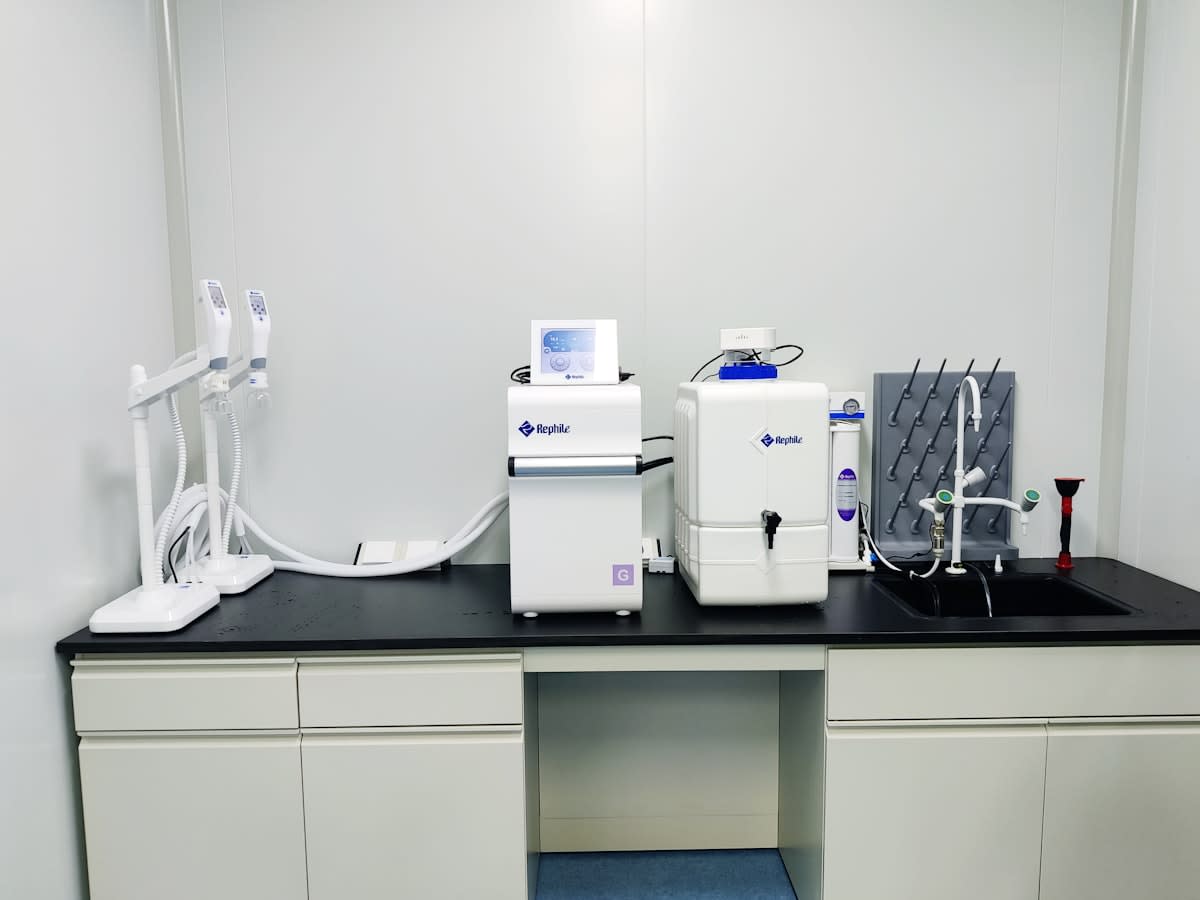
This trend extends beyond fermentation into precision breeding. In the UK, Wild Bioscience has acquired F1 Seed, creating the nation's first independent precision-breeding wheat business. While wheat is a carbohydrate staple, the push for precision breeding is the same as that for lab-grown proteins: the goal is to engineer the crop for maximum efficiency and specific nutritional outcomes. When you combine precision breeding with fermentation, you get a food system that is programmable rather than just harvested.
The Programming Paradigm
The shift from 'harvesting' to 'programming' food means that protein density can be tuned to specific consumer needs—such as the high-protein requirements of athletes or the functional needs of an aging population—without increasing the environmental footprint.
The financial signals are flashing green across the globe. While France bets on fermentation, other regions are scaling the delivery systems. In India, Sid’s Farm has raised $8.4 million to expand into new markets, showing that the appetite for modernized, clean-label dairy and protein alternatives is scaling rapidly in emerging economies. This is a coordinated global movement, not a localized trend.
Consumer Integration: From Labs to Lattes
The bridge between lab-grown innovation and the consumer's mouth is the quick-service restaurant (QSR) and the retail shelf. Tropical Smoothie Cafe is a prime example of this integration. They recently launched a protein smoothie line featuring blends that deliver up to 39 grams of protein. This isn't just a menu addition; it's a response to a guest profile that is 'refreshing routines' and seeking options to stay 'fueled and focused.' When a mainstream cafe starts pushing 39g of protein per serving, the 'protein pivot' has officially left the lab and entered the daily routine.
This obsession with protein density is mirroring the growth of functional fibers. Psyllium, for instance, is emerging as a powerhouse functional ingredient. While protein has long been the star, the rise of GLP-1 medications and a renewed focus on gut health are pushing ingredients like psyllium into the spotlight for gluten-free baking and functional foods. We are seeing a holistic redesign of the 'healthy' meal, where protein is the foundation and functional fibers provide the stability.
| Era | Primary Goal | Key Technology | Market Focus |
|---|---|---|---|
| Plant-Based 1.0 | Meat Mimicry | Extrusion/Plant Proteins | Vegan/Vegetarian |
| The Protein Pivot | Nutritional Optimization | Fermentation/Precision Breeding | Functional/High-Performance |
The speed of this transition is breathtaking. Six months ago, the industry was debating the taste of plant-based burgers. Today, the industry is debating the efficiency of fermentation vats and the protein grams per smoothie. The consumer is no longer asking if a plant-based product tastes like meat; they are asking if it provides the functional fuel they need for their day.
The Infrastructure of Resilience
To support this pivot, the very business model of agriculture is being rewritten. As noted by industry analysis from Agrolatam, the era of selling a single product is over. The new competitive advantage lies in integrated agronomic solutions. This means combining biological products, plant nutrition, AI, and digital agriculture into a single value proposition. The farmer is no longer just a grower; they are a manager of a complex biological system.
This systemic shift is evident in Indonesia, where ADM Capital has raised $48 million for climate-smart land use. By integrating data-driven solutions with land management, they are creating the stable environment necessary to feed the high-tech protein pipeline. Similarly, SCO2 has captured $2.7 million to create high-value products from reclaimed food waste, closing the loop on the protein cycle. This is circularity in action: using waste to fuel the next generation of functional nutrition.
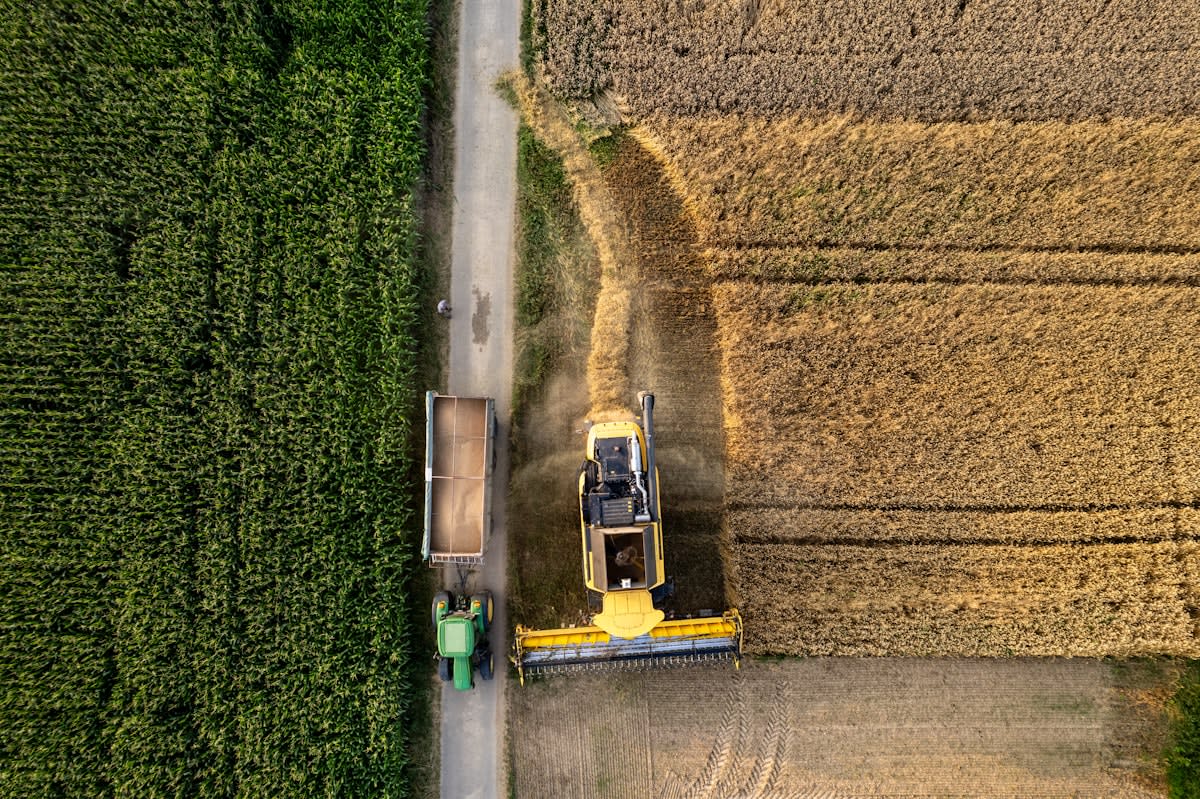
Can the global supply chain handle this transition? The evidence suggests it is already adapting. By moving toward integrated solutions and precision fermentation, the industry is reducing its reliance on volatile weather patterns and traditional livestock cycles. The pivot is not just about health or taste; it is about resilience. We are building a food system that can be scaled in a lab, optimized by AI, and delivered through a smoothie straw.
As we move into 2027, expect the line between 'natural' and 'engineered' to blur even further. When your protein comes from a fermentation vat in France, your wheat is precision-bred in the UK, and your functional fiber is optimized for GLP-1 support, the definition of 'food' changes. We are entering the era of the nutritional complement, where every bite is designed for a purpose.