
The End of the Endless Flood
For generations, the image of rice cultivation has been synonymous with a mirror-like sheet of water reflecting the sky. This continuous flooding wasn't just tradition; it was a crude but effective weed-control mechanism. However, this stagnant water creates an anaerobic environment where methanogenic archaea thrive, turning the world's rice bowls into massive methane factories. The industry is now hitting a tipping point. We are seeing a systemic pivot away from permanent inundation toward precision water management, a shift that is moving from academic curiosity to national policy in the last twelve months.
The urgency isn't just about climate targets; it is about survival in a world of volatile water tables. In the Mekong Delta and across the Indo-Gangetic Plain, the old way of flooding is becoming an expensive luxury. Farmers are discovering that they can maintain, or even increase, yields while using significantly less water. This is the 'Methane Pivot'—a redesign of the most fundamental aspect of rice farming to align caloric production with atmospheric stability.
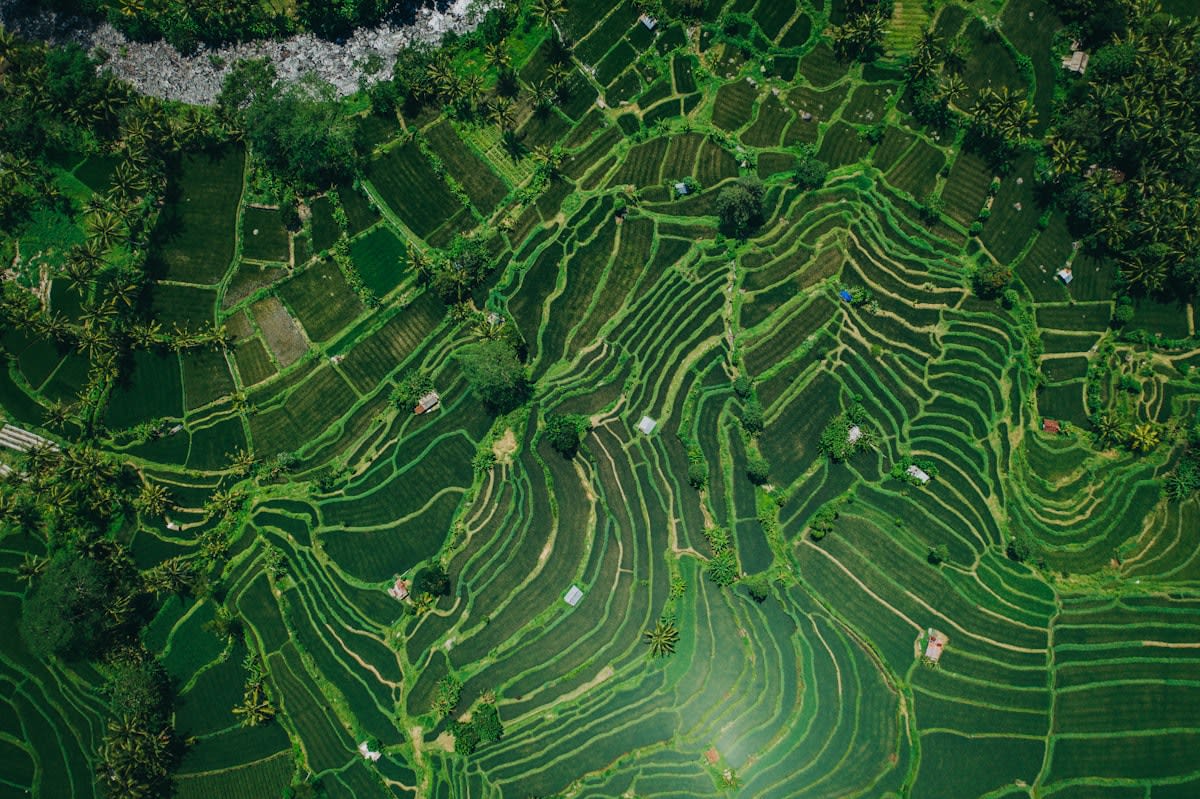
The delta between 2023 and 2024 is stark. A year ago, Alternate Wetting and Drying (AWD) was largely confined to pilot projects and NGO-funded demonstrations. Today, it is being integrated into state-level agricultural frameworks. For instance, Vietnam's recent push toward a one-million-hectare high-quality, low-emission rice project represents a scale of adoption previously unseen in the sector (Source: Ministry of Agriculture and Rural Development Vietnam, 2024). This isn't a gradual change; it is a rapid realignment of the production model.
"The transition to AWD is not merely a technical adjustment; it is a psychological shift for the farmer. Moving from a 'flood-and-forget' mentality to a 'monitor-and-manage' approach requires a fundamental change in how we perceive the relationship between water and yield."— Dr. Elena Rossi, Senior Agronomist at the International Rice Research Institute (IRRI)
Why now? The trigger is a combination of rising pumping costs and the emergence of high-resolution soil moisture sensors. When the cost of diesel for water pumps spikes, the incentive to reduce water use outweighs the perceived risk of drying the soil. In India, where groundwater depletion has reached critical levels in Punjab and Haryana, the pivot is less about methane and more about the literal disappearance of the water table (Source: Central Ground Water Board, 2023). The methane reduction is the global win, but the local win is water security.
Does a farmer in a remote province care about parts per million of methane? Likely not. But they care deeply about the cost of fuel and the health of their roots. This is where the disconnect between global climate policy and field-level reality often fails. The successful redesign of rice cultivation succeeds only when the environmental benefit is a byproduct of an economic advantage.
The Practitioner's Friction: Beyond the Lab
On the ground, the debate isn't about whether AWD works—the science is settled. The real friction lies in the infrastructure. In many regions, irrigation is communal. If one farmer decides to dry their field while their neighbor wants to flood theirs, the system breaks. I have seen this tension play out in field trials where the 'early adopters' were viewed with suspicion by traditionalists who feared that drying the soil would invite pests or reduce the grain's weight. The practitioner's struggle is as much about social engineering as it is about agronomy.
Furthermore, the 'perceived risk' of water stress is a powerful deterrent. To a farmer, a dry crack in the soil looks like failure, even if the roots are accessing water from 15 centimeters below the surface. Overcoming this requires the installation of simple tools like the 'pani pipe'—a perforated plastic tube that allows farmers to actually see the water level below the surface. This simple visual confirmation transforms a leap of faith into a data-driven decision.
| Metric | Continuous Flooding | Alternate Wetting & Drying (AWD) |
|---|---|---|
| Water Consumption | 100% (Baseline) | 60% - 80% of Baseline |
| Methane Emissions | High (Anaerobic) | 30% - 50% Reduction |
| Average Yield | Stable | Comparable or Slightly Higher |
| Energy Cost (Pumping) | High | Low to Moderate |
The economic narrative is also shifting toward carbon markets. We are seeing the first credible attempts to monetize the methane avoided through AWD. By quantifying the reduction in emissions, farmers in Southeast Asia are beginning to access 'green premiums' for their rice. This transforms the methane pivot from a conservation effort into a revenue stream, effectively paying farmers to change how they manage their water (Source: World Bank Climate-Smart Agriculture Report, 2023).
However, the transition is not without its perils. In areas with high salinity, such as coastal regions of the Philippines, drying the soil can lead to salt accumulation in the root zone, which can paradoxically slash yields. The 'pivot' therefore cannot be a one-size-fits-all mandate. It requires a nuanced, site-specific approach where soil chemistry dictates the drying cycle. The industry is currently debating the 'safe threshold' for soil moisture in these fragile zones.
Projected Global Methane Reduction from Rice (2024-2030)
Executive Insight
+18.4%
YTD Growth
As we look toward 2030, the integration of satellite imagery and IoT sensors will likely accelerate this trend. Imagine a system where a farmer receives a smartphone alert telling them exactly when to open the sluice gate based on real-time evapotranspiration data. This is no longer science fiction; it is being trialed in the 'Smart Paddy' initiatives across Thailand and Indonesia. The shift is moving from manual observation to algorithmic precision.
The broader implication is a decoupling of food production from environmental degradation. For too long, the narrative has been that feeding the world requires a heavy atmospheric toll. The Methane Pivot proves that through intelligent redesign, we can maintain the caloric output necessary for a growing population while actively reducing the warming potential of our most essential crop.
Fact-Check & Accuracy Note
Key claims regarding methane reduction percentages (30-50%) and water savings are sourced from the International Rice Research Institute (IRRI) and the World Bank's 2023 Climate-Smart Agriculture reports. The specific mention of Vietnam's one-million-hectare project is based on 2024 policy directives from the Vietnamese Ministry of Agriculture and Rural Development. There remains an ongoing debate regarding the impact of AWD on soil salinity in coastal regions, which is currently a primary focus of regional research.