
The global grain market is currently in a state of suspended animation. As of early August 2026, prices are drifting lower, caught in a vacuum of fresh news while traders obsessively await the WASDE report. We are seeing corn and soybeans shed their weather premiums as forecasts turn favorable. But look past the ticker tape and the short-term positioning of China sales, and you will find a far more significant transformation. The industry is not just waiting for a report; it is pivoting away from the fragile, high-input annual cycles that have dominated the last century.
Why does this matter now? Because the old model of 'plant, spray, harvest, repeat' is hitting a wall of diminishing returns. The focus is shifting toward systems that prioritize soil health and longevity over sheer volume. We are seeing a transition from treating the field as a factory to treating it as an ecosystem. This isn't a fringe movement anymore; it is becoming a strategic imperative for survival in an era of volatile climates and disrupted supply chains.
The Soil Sovereignty Movement
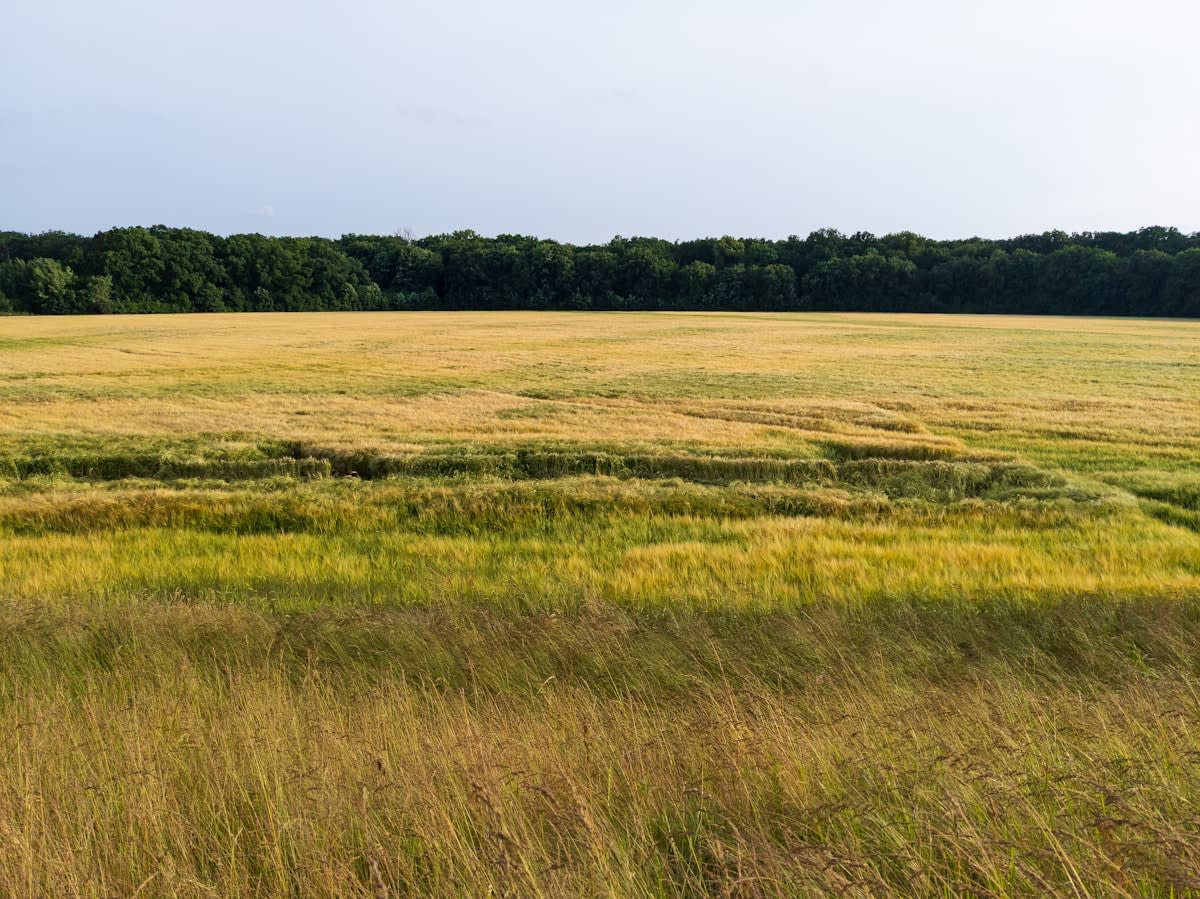
In the Pacific Northwest, the pivot is taking a physical form. The expansion of Cairnspring Mills into Mission represents more than just a business growth strategy; it is a bet on stone-ground flour and regenerative practices. On the ground at Jones and Jones Ranch, the strategy is clear: multispecies cover crops and a drastic reduction in synthetic inputs. By focusing on soil health, producers are creating a buffer against the very volatility that keeps the commodity markets on edge. When the soil is healthy, the crop outcomes follow, reducing the desperate reliance on the chemical treadmill.
"It’s a reduction in synthetic inputs and building soil health."— Keegan Jones, Jones and Jones Ranch
This regional shift is being mirrored by institutional efforts. The Tiicham Conservation District, working with the Confederated Tribes of the Umatilla Indian Reservation, is integrating a systems approach to agriculture. They aren't just looking at the yield of a single season; they are looking at the longevity of the land. This is the essence of the 'perennial' mindset: moving away from the anxiety of the next planting cycle and toward a permanent state of productivity.
The Economic Edge
The shift toward regenerative agriculture isn't just about ecology; it's about economic decoupling. By reducing synthetic inputs, farmers insulate themselves from the price shocks of the global petrochemical market.
While the US focuses on soil health, other nations are using this pivot to reclaim their basic survival. The transition from dependence to autonomy is perhaps nowhere more evident than in the Middle East.
The Return of Self-Sufficiency
Syria has just achieved a milestone that seemed impossible for over a decade. For the first time since 2010, the country has reached wheat self-sufficiency. Government purchases of the new harvest hit 2.7 million tons, comfortably exceeding the estimated annual domestic demand of 2.55 million tons. To put this in perspective, before the 2011 conflict, Syria averaged 4.1 million tons annually. The road back has been brutal, marked by war and recurring droughts, forcing a heavy reliance on Russian imports and international donations.
How did they do it? The recovery wasn't an accident of weather. It was the result of improved coordination with northeastern regions, where the bulk of the wheat is grown. By stabilizing the production infrastructure and coordinating regional efforts, Syria has effectively removed itself from the wheat import market for the current season. This is a masterclass in resilience: rebuilding a broken system to ensure that the most basic caloric need is met internally.
| Metric | Pre-2011 Average | Current Season (2026) | Domestic Demand |
|---|---|---|---|
| Syrian Wheat Production | 4.1 million tons | 2.7 million tons | 2.55 million tons |
This drive for autonomy is not unique to conflict zones. In the American Midwest, leadership programs like Nebraska LEAD are pushing producers to look beyond the fence line. The goal is to understand how production, research, trade, and public policy intersect. When producers take a seat at the commodity board table, they shift the conversation from 'how much can we grow' to 'how can we sustain this for the next generation.'
But the pivot doesn't stop at the farm gate. It extends into the laboratory and the processing plant, where the very definition of 'grain' is being expanded.
Beyond the Wheat: The Protein Evolution
The industry is witnessing a 'performance leap' in how we utilize plant proteins. Black Sheep Foods is leading a charge into 'TVP 2.0'—a next-generation textured vegetable protein. Unlike the first generation of soy-heavy fillers, this new iteration utilizes a blend of wheat and fava beans. Fava beans are a critical part of the pivot; as legumes, they naturally fix nitrogen in the soil, reducing the need for synthetic fertilizers and fitting perfectly into the regenerative models we see in Oregon.
This is not a case of new technology searching for a market. It is an optimization of a category already used at a global scale. By creating a B2B supply of high-inclusion rate proteins that can be blended with conventional meat, the industry is finding a way to cut costs and improve nutrition without sacrificing the sensory experience of the consumer. It turns the grain harvest into a high-value protein stream.
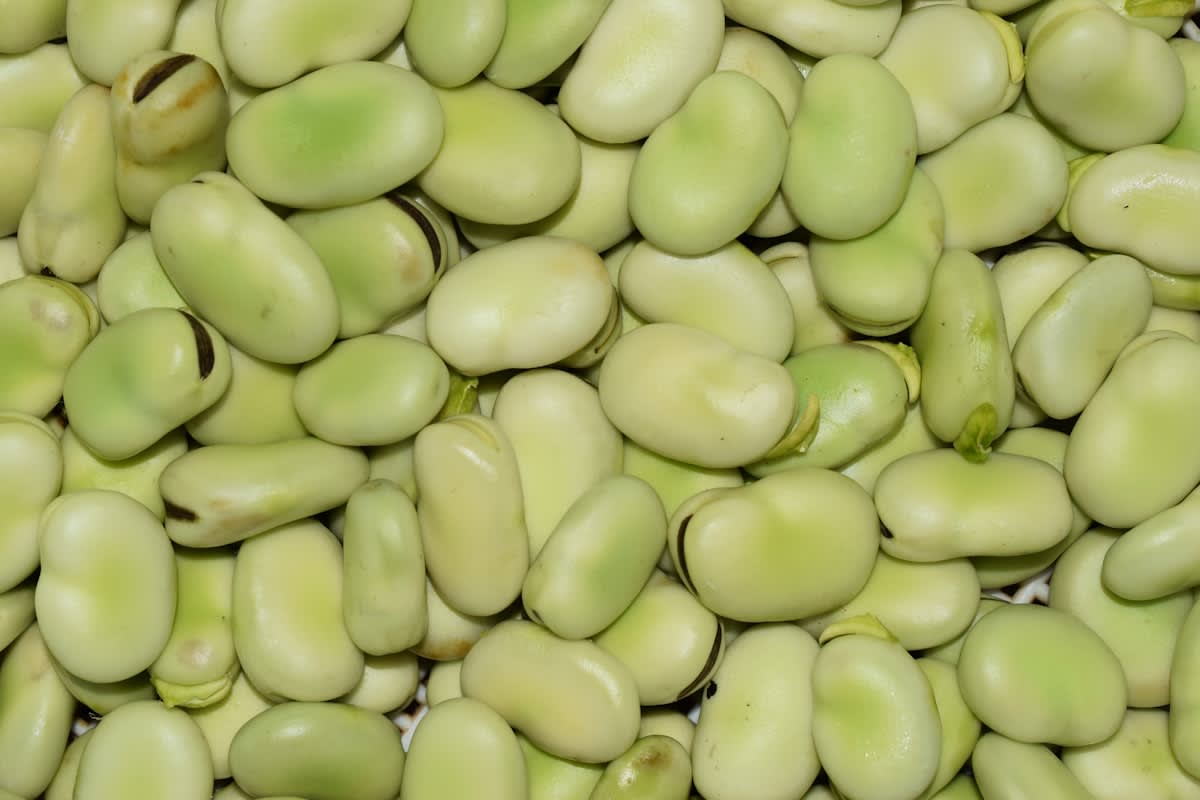
The implications are systemic. When you shift from a corn-soy duopoly to a system that includes fava beans and regenerative wheat, you aren't just changing the crop; you are changing the chemistry of the earth. You are moving toward a system that mimics the perennial nature of wild grasslands—self-sustaining, nitrogen-rich, and resilient to shock.
This diversification of the crop portfolio is the only logical response to a global fuel market that is increasingly competing with the food plate.
The Biofuel Balancing Act
The tension between 'food vs. fuel' has long been a point of contention. However, a recent report commissioned by U.S. Farmers and Ranchers in Action, authored by S&P Global Energy, suggests a different path. The data indicates that expanded biofuel production can be achieved on existing cropland without cannibalizing the food supply. In fact, the report argues that these markets can actually strengthen food, economic, and energy security on a global scale.
The scale of this opportunity is staggering. The global liquid fuel market—including marine and aviation fuels—is approximately 940 billion gallons. By positioning grains as a dual-purpose asset (food and fuel) within a regenerative framework, the agricultural sector is creating a new kind of economic stability. It is no longer about betting on a single price point for corn; it is about participating in a diversified energy and nutrition ecosystem.
- Syrian Wheat: 2.7 million tons produced, surpassing 2.55 million ton demand.
- Global Fuel Market: 940 billion gallon opportunity for renewable fuels.
- Protein Shift: Transition to fava bean and wheat blends in TVP 2.0.
- Regenerative Focus: Reduction of synthetic inputs in favor of multispecies cover crops.
Is this a complete departure from the old ways? Not yet. The markets are still drifting, and the USDA reports still dictate the daily mood of the trading floor. But the structural shift is undeniable. Whether it is a tribe in Oregon restoring soil health, a government in Syria reclaiming its food sovereignty, or a startup in the alt-protein space utilizing fava beans, the direction is the same.
The world is quietly switching to a philosophy of permanence. We are moving away from the fragility of the annual monoculture and toward a future where grains are part of a living, breathing, and self-sustaining system. The 'Perennial Pivot' is not just about the plants we grow; it is about the resilience we build.