Flash floods toll may climb as high as 10,000, says Nepalese Finance Minister
Source Entity
Devansh Mittal
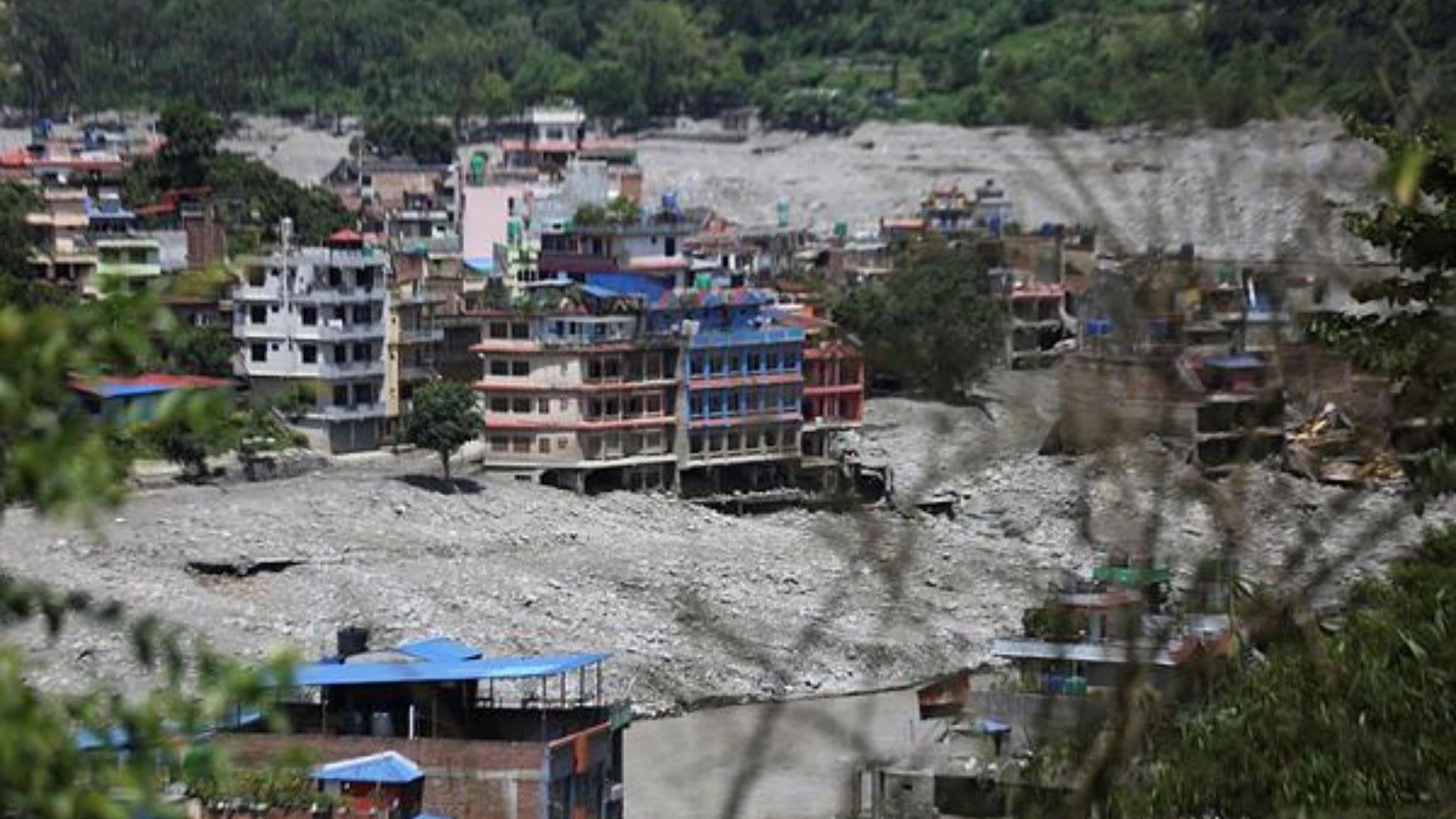
Nepal's Finance Minister Swarnim Wagle projects the death toll from recent flash floods to reach 10,000, mirroring the 2015 earthquake's devastation. Current official figures report 1,411 confirmed deaths and 5,875 missing across the Bhote Koshi and Trishuli river regions.
The Catastrophic Scale of Nepal’s 2026 Flooding
The recent flash floods that devastated the regions surrounding the Bhote Koshi and Trishuli rivers represent one of the most severe humanitarian crises in Nepal's recent history. Finance Minister Swarnim Wagle’s grim assessment—that the final death toll could reach 10,000—places this disaster on a par with the historic 2015 earthquake that fundamentally reshaped the nation’s infrastructure and social fabric.
Comparing Disasters: A New Benchmark for Tragedy
While the 2015 earthquake was a seismic event that shook the entire country, the 2026 floods demonstrate a terrifyingly concentrated lethality. Wagle’s comparison is not merely numerical; it highlights the sudden, overwhelming nature of the destruction. With the current official count standing at 1,411 confirmed deaths and 5,875 missing, the reality of the situation suggests that the vast majority of those currently listed as missing may not be recovered, leading to the projected figures that haunt the government’s relief planning.
The Human Cost and Economic Impact
Beyond the raw statistics, the tragedy has decimated a cross-section of society. The victims include pilgrims navigating sacred routes, international tourists, and local traders whose livelihoods were tethered to the river corridors. The destruction of physical structures in the Bhote Koshi and Trishuli basins signifies a total collapse of local commerce, as small businessmen and entrepreneurs have seen their entire capital washed away in a matter of hours.
Geographical Concentration and Vulnerability
Unlike widespread seismic events, these floods were geographically specific, yet their intensity suggests a failure of existing drainage and warning systems. The geography of the Himalayas makes these river valleys particularly susceptible to flash floods, and the concentration of the disaster suggests that infrastructure built in these corridors may not have been sufficiently resilient against the surge of water experienced on September 1, 2026.
Future Implications for Himalayan Resilience
This disaster serves as a stark warning for the entire Himalayan region. As climate patterns shift, the frequency and intensity of extreme weather events in mountainous terrain are expected to rise. The Nepalese government now faces the dual challenge of immediate humanitarian relief and a long-term overhaul of its disaster management framework. The comparison to the 2015 earthquake will likely drive a national debate on zoning, building codes, and the sustainability of human settlement along volatile river systems.
Conclusion
As rescue operations continue, the focus will inevitably shift from search and recovery to the massive task of reconstruction. The loss of life on this scale—rivaling the nation's most traumatic modern event—demands a comprehensive review of environmental management and emergency response protocols to protect the vulnerable populations residing in the shadow of the Himalayas.