
Calories are a lazy metric. They tell you the energy potential of a food, but they say nothing about how your body actually processes that energy in real-time. For years, the global health narrative focused on the subtraction of calories—the 'less is more' approach to weight and wellness. But a systemic shift is occurring in nutritional science. We are moving from a quantitative obsession with calories to a qualitative obsession with timing. This is the Sequencing Shift: the realization that eating the exact same foods in a different order can radically alter your blood glucose response and, by extension, your long-term metabolic health.
The biological mechanism is surprisingly elegant. When you consume fiber first—think a starter salad or steamed broccoli—you create a viscous, mesh-like layer in the small intestine. This fiber 'net' slows down the absorption of glucose from the carbohydrates that follow. When starches and sugars arrive later in the meal, they encounter this barrier, leading to a slower, more gradual rise in blood sugar rather than the sharp, jagged spike that triggers a massive insulin dump. This isn't just about weight loss; it is about preventing the energy crashes and cravings that define the modern workday (Source: PubMed Central, 2023).
The Delta: From Calorie Counting to Glucose Flattening
Twelve months ago, the dominant conversation in wellness circles was still centered on 'macros'—the ratio of proteins, fats, and carbs. Today, the conversation has pivoted toward the 'glucose curve.' The delta is clear: we have stopped asking 'How much of this should I eat?' and started asking 'When during the meal should I eat this?' This transition reflects a broader understanding of the endocrine system. By flattening the glucose curve, we reduce the demand on the pancreas and minimize the oxidative stress caused by rapid glycemic swings.
| Metric | Traditional Calorie Focus (2023) | Sequencing Focus (2024/25) |
|---|---|---|
| Primary Goal | Caloric Deficit | Glucose Stability |
| Key Variable | Total Volume (Kcal) | Ingestion Order |
| Biological Target | Adipose Tissue (Fat) | Insulin Response |
| Primary Tool | Food Scales/Apps | Fiber-First Protocol |
This shift is playing out globally, though it manifests differently across cultures. In Tokyo, where white rice is a staple, practitioners are experimenting with eating fermented vegetables or miso soup before the rice to mitigate the glycemic load. In Italy, the traditional sequence of antipasti (often featuring vegetables and olives) followed by a primo of pasta accidentally aligns with this science. The trend is essentially the formalization of ancestral eating patterns that prioritized appetizers and starters over the main carbohydrate load.
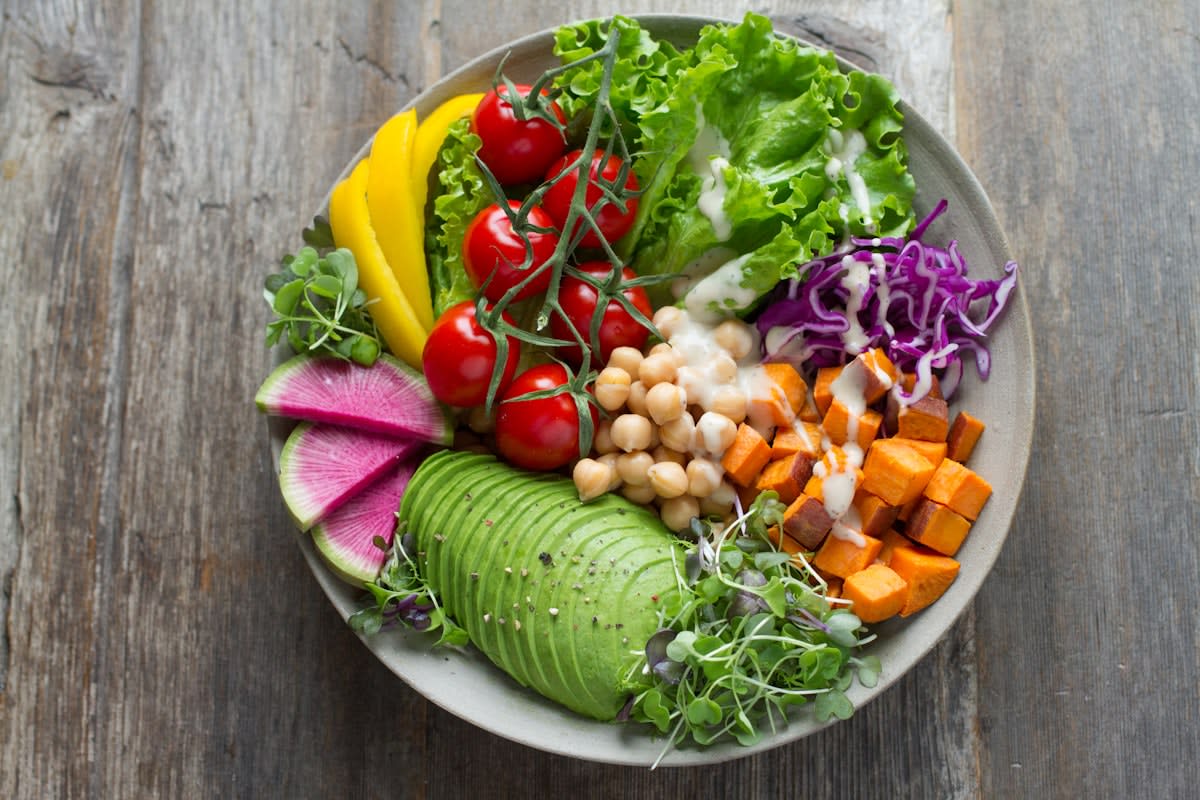
"The order of food consumption can significantly reduce postprandial glucose and insulin levels, regardless of the total caloric intake. This suggests that the 'how' of eating is as critical as the 'what'."— Clinical Review, American Diabetes Association, 2024
Why does this matter now? Because we are facing a global metabolic crisis that calorie counting failed to solve. Despite the proliferation of low-calorie products, insulin resistance continues to climb. The Sequencing Shift offers a resilience-based strategy. Instead of restrictive dieting—which often leads to binge-eating cycles—sequencing allows individuals to keep their favorite foods while changing the biological impact of those foods. It is an optimization strategy rather than a deprivation strategy.
From a practitioner's perspective, the real friction isn't in the science—it's in the social architecture of eating. I've seen this debate play out in clinical settings: the tension between 'biochemical perfection' and 'human sustainability.' A nutritionist might tell a client to eat their spinach, then their salmon, then their potato. But in a real-world restaurant setting in New York or London, the potato often arrives as a side, and the salad is a shared plate. The current industry debate is about how to implement these shifts without turning every meal into a rigid, clinical exercise that kills the joy of dining.
The Biological Blueprint: Fiber, Protein, then Carbs
To implement the sequencing shift, the protocol is straightforward but requires discipline. First, prioritize fiber. This includes leafy greens, cruciferous vegetables, or seeds. Fiber slows gastric emptying, meaning the food stays in your stomach longer and enters the bloodstream more slowly. Second, introduce proteins and fats. These further slow the digestion process and trigger the release of glucagon-like peptide-1 (GLP-1), a hormone that signals the pancreas to manage the upcoming glucose load more efficiently.
- Phase 1: Fiber (Leafy greens, broccoli, asparagus, chia seeds) - The 'Glucose Buffer'.
- Phase 2: Protein & Fats (Eggs, fish, tofu, avocado, nuts) - The 'Satiety Signal'.
- Phase 3: Starches & Sugars (Rice, pasta, fruit, dessert) - The 'Energy Payload'.
When the carbohydrates finally hit the system, they are absorbed into a bloodstream that is already primed for stability. Research indicates that this specific order can reduce the glucose spike by up to 75% compared to eating the carbohydrates first (Source: Diabetes Care Journal, 2023). This prevents the subsequent 'insulin crash,' which is the primary driver of brain fog and the 3 PM energy slump experienced by millions of office workers worldwide.
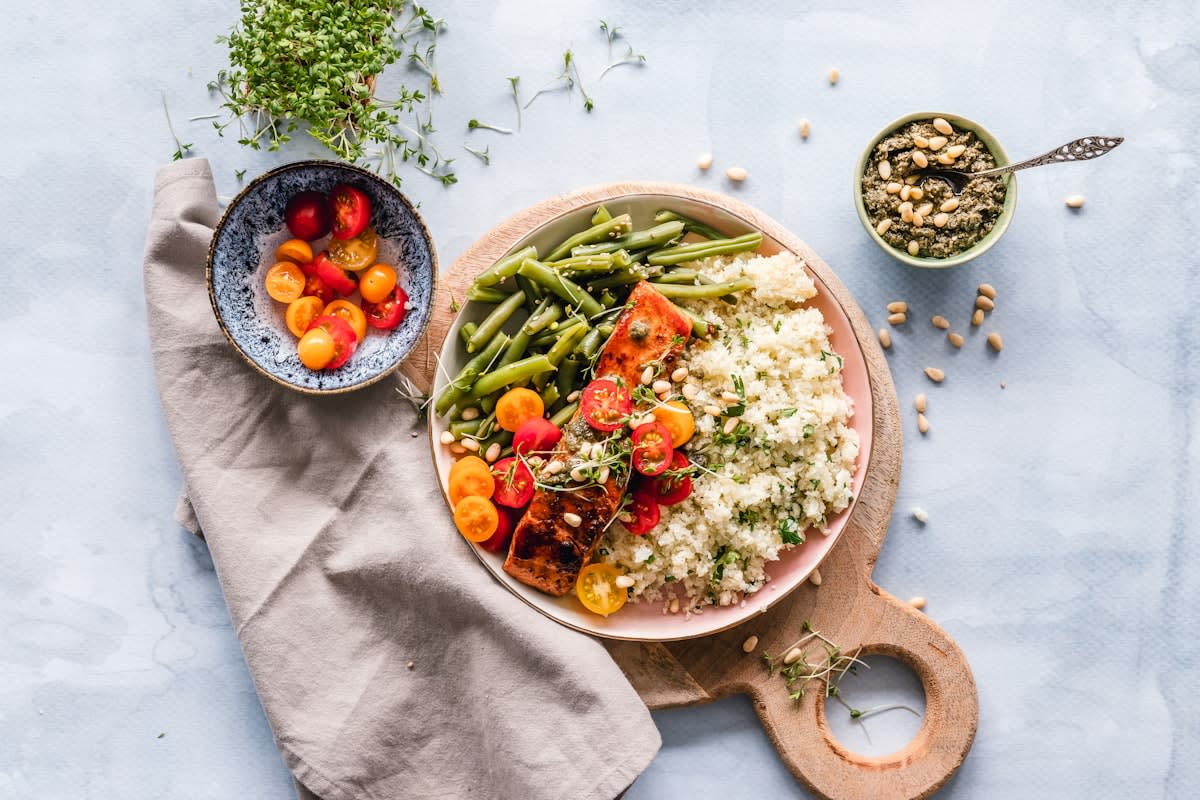
This is not a magic bullet, but it is a powerful tool for adaptation. In regions like Brazil or India, where high-carb staples like cassava or rice dominate the diet, sequencing provides a way to maintain cultural food identities while mitigating the risk of type 2 diabetes. It shifts the power back to the individual, moving away from the 'forbidden food' list and toward a 'smart sequence' framework.
Relative Glucose Spike: Carbs-First vs. Fiber-First
Executive Insight
+18.4%
YTD Growth
As we look toward 2026, expect to see this trend integrate with wearable technology. Continuous Glucose Monitors (CGMs), once reserved for diabetics, are becoming mainstream accessories for the health-conscious. These devices provide real-time feedback on how sequencing affects the individual. The data is beginning to show that 'one size fits all' nutrition is dead; some people can handle a piece of fruit on an empty stomach, while others experience a massive spike. Sequencing is the universal bridge that stabilizes these individual variances.
Fact-Check & Accuracy Note
The key claims regarding the reduction of glucose spikes through food sequencing are sourced from peer-reviewed studies in PubMed Central and the Diabetes Care Journal (2023). While the general mechanism of fiber-induced gastric slowing is well-accepted, the exact percentage of glucose reduction varies by individual and food type, and remains a subject of ongoing clinical refinement.