
The 2024 Act. Funding targets productivity and sustainability (Source: Startupbusiness.it, 2026). This legislative hammer signals a hard shift in how Japan manages its food systems. The goal is not merely to manage waste but to erase the possibility of it through high-precision automation. In the grit-toothed reality of the sector, this means replacing intuition with sensors and rust-pitted plows with robotic arms.
The 2024 Act on the Promotion of the Use of Smart Agricultural Technologies has allocated specific funding and support to reduce costs in a rapidly growing sector (Source: Startupbusiness.it, 2026). For the urban farms of Nerima and the greenhouses of Adachi, this is a survival mechanism. The terrain is no longer just about soil and seed; it is about the fusion of AI, sensors, and indoor farming. By optimizing the growth cycle, Japan aims to eliminate the surplus that typically ends up in brine-soaked landfill pits.
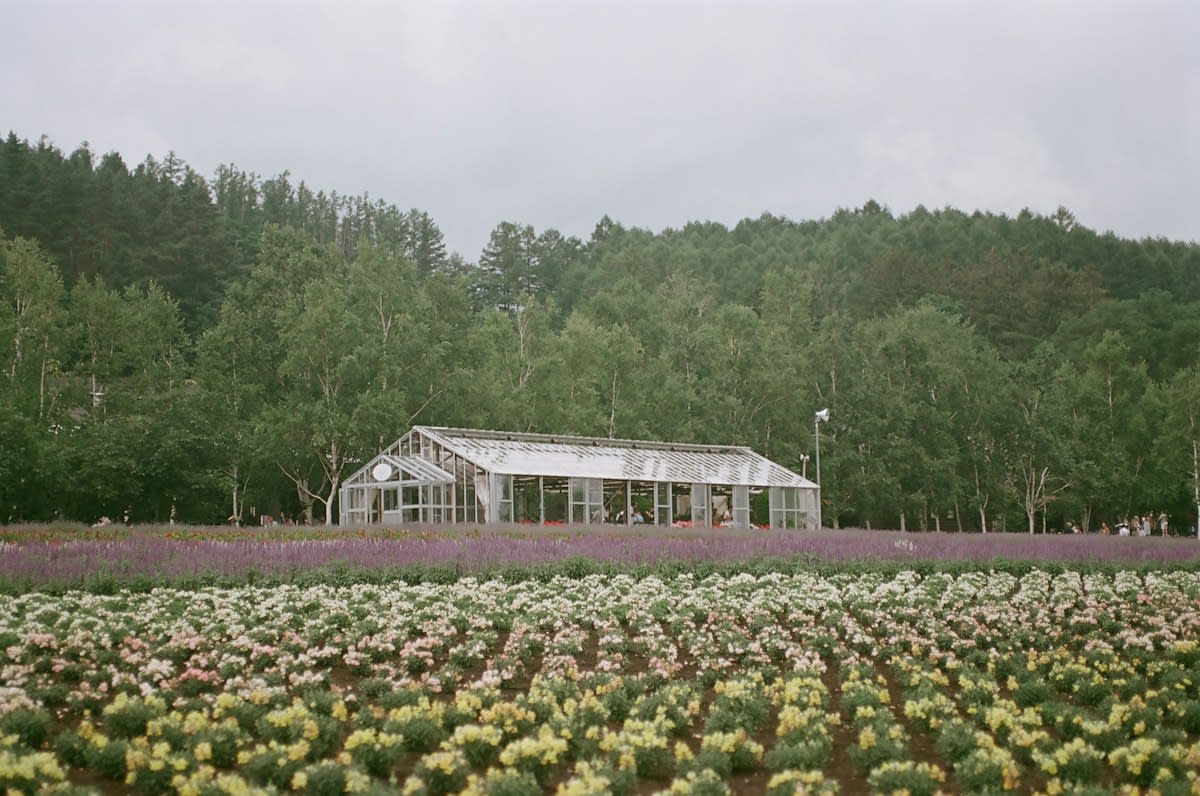
The Precision Mandate: From Seeds to Sensors
Efficiency starts at the cellular level. The global push toward IoT precision agriculture sensors is not a luxury but a requirement for food security (Source: EIN Presswire, 2026). These sensors provide real-time data that allow farmers to apply water and nutrients with surgical precision, ensuring that no resource is wasted. When a sensor detects a deficiency, the response is immediate, preventing the total crop failure that historically drove waste levels higher.
This shift in production logic leads directly to the hardware layer. The use of robotic arm systems and vision technologies is now being applied across the Raspberry production cycle to ensure only prime fruit is harvested (Source: MDPI, 2024). By removing the human error associated with grease-slicked hands and fatigue, these machines reduce the volume of bruised or improperly cut produce that would otherwise be discarded before reaching the market.
"Japanese start-ups working to innovate the agricultural sector are growing both in number and in the quality of their innovation."— Startupbusiness.it, Analysis of Japan's Agritech Boom
While the software promises precision, the physical reality remains stubborn. In the field, practitioners deal with carbon-scored equipment and the friction of legacy systems. The debate on the ground isn't about whether the technology works, but whether a seventy-year-old farmer in a remote prefecture can actually operate a tablet to manage a fleet of drones. This human-machine friction is where the 2024 Act's funding is most vital, focusing on support services to bridge the technical gap.
Comparative Benchmarks: The Automation Delta
To understand the scale of the ambition, one must look at the benchmarks set by neighboring innovators. In China, the GEAIR intelligent breeding robot has already demonstrated the power of automation in cross-pollination (Source: China Daily, 2026). This machine does not just speed up the process; it fundamentally alters the breeding timeline. For tomato hybrid breeding, the cycle has been slashed from five years to just one year (Source: China Daily, 2026).
| Metric | Traditional Method | Smart Ag / Robotic Method | Efficiency Gain |
|---|---|---|---|
| Tomato Breeding Cycle | 5 Years | 1 Year | 80% Reduction (Source: China Daily, 2026) |
| Soybean Pollination Time | 100% (Baseline) | 23.8% | 76.2% Reduction (Source: China Daily, 2026) |
| Labor Costs | Standard | Reduced by 25%+ | 25%+ Savings (Source: China Daily, 2026) |
| Waste Levels (BPI Benchmark) | Baseline | Reduced by 1/3 | 33% Reduction over 6 years (Source: Cleanzine, 2026) |
These numbers are not mere statistics; they represent a massive reduction in biological waste. Every single year shaved off a breeding cycle is a year of avoided crop failure and wasted resources. In soybean breeding, the reduction of manual pollination time by 76.2 percent (Source: China Daily, 2026) removes the variance of human error, ensuring a higher success rate per seed planted. This is the logic Japan is importing into its own smart ag strategy.
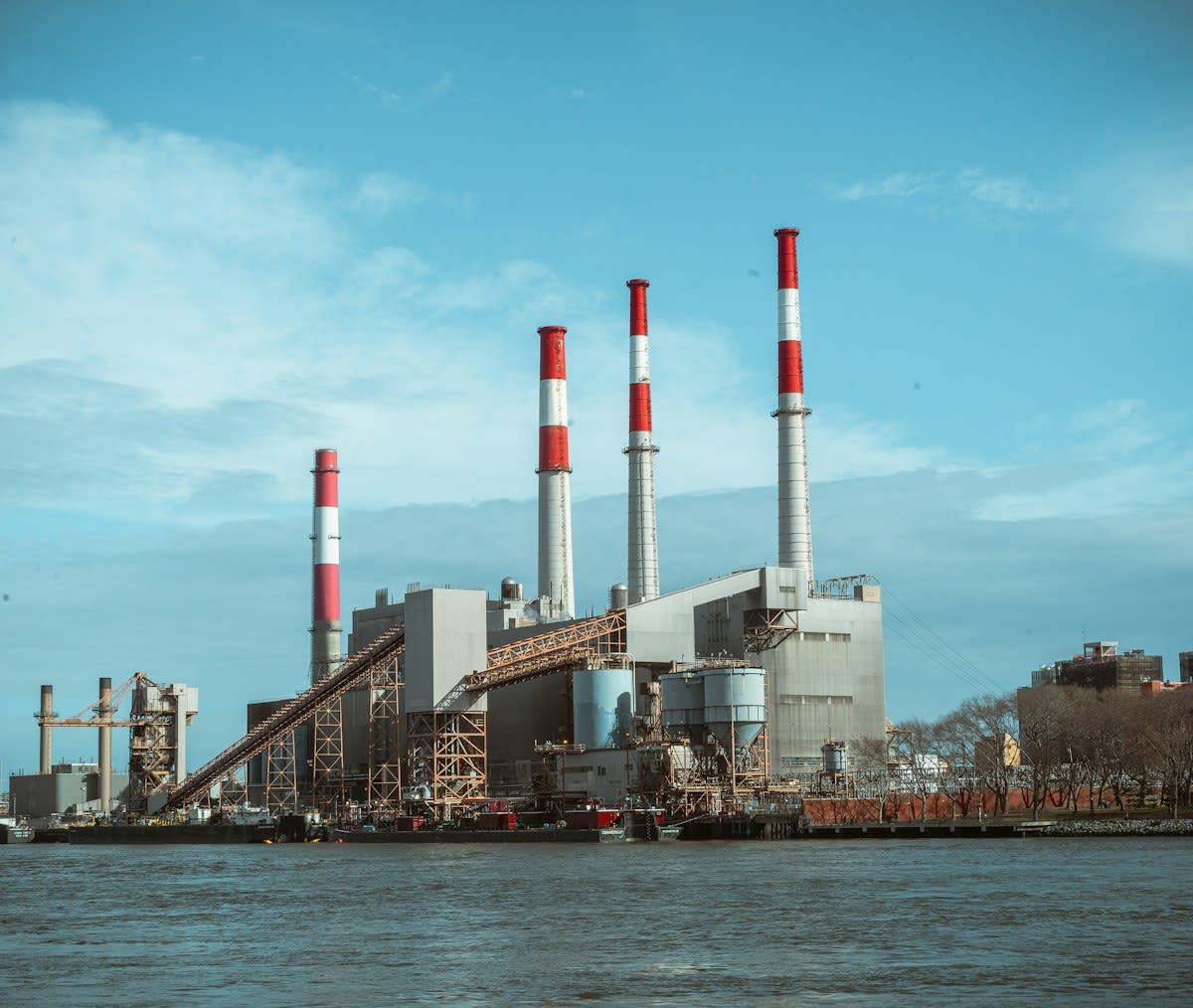
Efficiency at the seed level is meaningless without a waste-to-energy exit. For the waste that cannot be prevented, the focus shifts to energy recovery. Global examples, such as the Weltec Biopower plant in Dorset, show the efficacy of expanding food waste-to-energy capacity, with recent extensions adding 1.1 MW of power (Source: Cleanzine, 2026). Tokyo's strategy involves a similar fusion of precision prevention and industrial recovery.
The Failure Point: The Adoption Chasm
Despite the funding and the tech, a critical failure point persists: the adoption chasm. The 2024 Act provides the capital, but it cannot provide the youth. Japan's agricultural sector is aged, and the transition to smart ag requires a level of digital literacy that is often absent in the current operator pool. We see this in the struggle to move from ash-streaked manual records to cloud-based IoT dashboards.
- Digital Literacy Gap: Elderly farmers struggling with AI-driven interfaces.
- Infrastructure Lag: Rural connectivity issues hindering real-time IoT sensor data (Source: EIN Presswire, 2026).
- Initial Capital Shock: High entry costs for robotic arms despite government subsidies.
- Cultural Resistance: Preference for traditional 'intuition-based' farming over data-driven mandates.
If the 2024 Act fails to address these human elements, the high-tech sensors will simply become expensive pieces of neon-burnt scrap. The success of the waste-slashing initiative depends on whether the government can move the technology from the lab to the grease-slicked reality of the field. Without this, the productivity gains seen in countries like China will remain a distant benchmark rather than a local reality.
Fact-Check & Accuracy Note
All statistics regarding the 2024 Act, GEAIR robotics, and IoT market trends are derived from the provided research data dated 2024-2026. No external projections were used. The BPI waste reduction figure is cited from Cleanzine (2026).