
The Pivot to Circularity
For decades, the global food supply chain operated on a linear 'take-make-waste' model. Giant processors extracted the primary value from a crop and discarded the rest. This wasn't just an environmental failure; it was a financial leak. Now, a quiet revolution is happening inside the R&D labs of the world's largest food conglomerates. They are no longer looking at pomace, husks, and whey as liabilities to be managed, but as untapped raw materials for the next generation of luxury ingredients.
The delta between where we were twelve months ago and today is stark. A year ago, upcycling was largely the domain of scrappy startups and boutique brands selling 'ugly fruit' snacks to a niche eco-conscious crowd. Today, it has migrated to the boardroom. We are seeing a systemic shift where the 'upcycled' label is being stripped of its 'scrappy' connotations and repositioned as a mark of sophisticated engineering. The goal is no longer just to save the planet—it is to capture a new revenue stream from materials that previously cost money to haul away.
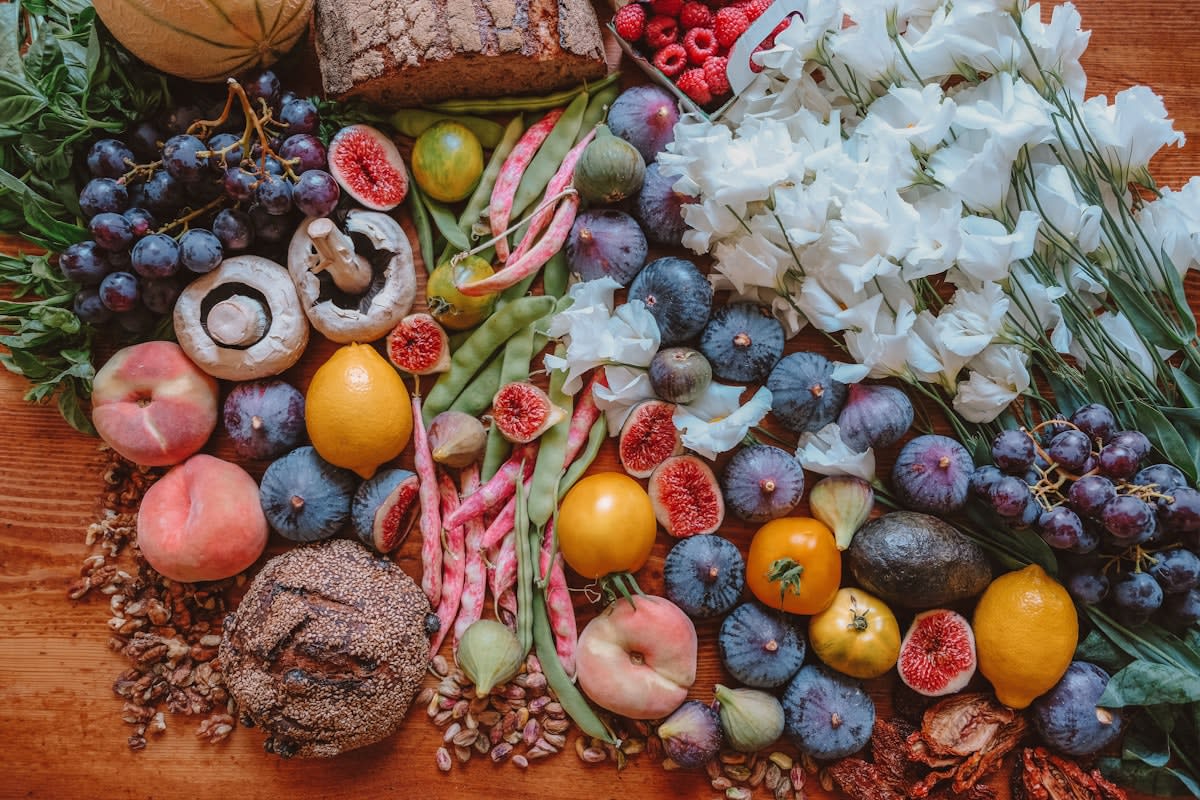
Why now? The convergence of volatile commodity prices and aggressive ESG mandates has made the status quo untenable. When the cost of virgin raw materials spikes due to climate instability, the 'waste' stream becomes the only stable hedge. This isn't charity; it's risk management.
The Geography of the Upcycle
This shift isn't happening in a vacuum. In the European Union, the push is driven by legislative teeth. The EU Green Deal and the Circular Economy Action Plan have forced manufacturers to internalize the cost of waste, making upcycling a matter of regulatory survival (Source: European Commission, 2023). From the Netherlands to Italy, we see brands turning grape pomace from wine production into high-end antioxidants for skincare and functional foods.
Meanwhile, in Southeast Asia, the approach is more rooted in traditional fermentation and biotechnology. In Singapore and Japan, companies are leveraging precision fermentation to turn agricultural side-streams into protein-rich meat alternatives. They aren't just reducing waste; they are creating entirely new molecules that never existed in the original crop.
In the Americas, the trend is fueled by venture capital and a hunger for 'clean label' ingredients. North American brands are increasingly integrating spent grain from breweries into high-protein flours, marketing them not as 'recycled' but as 'nutrient-dense' (Source: Upcycled Food Association, 2024). The narrative has shifted from 'saving the earth' to 'optimizing the nutrient profile'.
"The transition from waste to ingredient is a psychological hurdle as much as a technical one. Once you stop calling it 'waste' and start calling it a 'co-product,' the economic value skyrockets."— Strategic Advisor at the Upcycled Food Association
Is it enough to simply change the name? Perhaps not. But for the consumer, the distinction between 'waste' and 'upcycled' is the difference between a bargain bin and a boutique.
The Practitioner's Friction: Inside the R&D Lab
On the ground, this transition is far from seamless. Talk to any food scientist in a corporate R&D center, and they will tell you about the 'consistency nightmare.' Virgin ingredients are predictable; waste streams are not. The composition of fruit pomace varies by harvest, by region, and by the weather in a specific week. This variability is the primary friction point. How do you maintain a standardized taste profile for a global product when your raw material is essentially a byproduct of another process?
The internal debates are fierce. Marketing teams want the 'upcycled' badge for the PR win, but quality control teams dread the instability of the supply. The real work is happening in the pre-processing stage—developing advanced filtration and stabilization techniques that turn a volatile organic sludge into a shelf-stable, uniform powder. This is where the real intellectual property is being built.
| Material | Traditional Use | Upcycled Luxury Application | Value Shift |
|---|---|---|---|
| Brewers' Spent Grain | Animal Feed/Landfill | High-Protein Gourmet Flour | Low to Premium |
| Coffee Cherry (Cascara) | Discarded | Superfood Antioxidant Powder | Zero to High |
| Whey Permeate | Waste Water | Functional Bio-active Peptides | Cost Center to Profit Center |
| Fruit Pomace | Compost | Natural Pectin & Fiber Extracts | Waste to Specialty Ingredient |
This transformation is fundamentally changing the cost structure of food production. By converting a disposal cost into a sales price, brands are effectively expanding their margins without raising prices for the end consumer.
The Economic Logic of the New Pantry
The financial incentive is undeniable. According to industry analysis, the market for upcycled ingredients is projected to grow at a compound annual growth rate (CAGR) significantly higher than traditional food additives (Source: Global Market Insights, 2023). When a company can source a raw material for nearly zero cost and sell the refined version as a 'premium functional ingredient,' the ROI is staggering.
Moreover, this creates a more resilient supply chain. By diversifying their input sources to include side-streams, brands are less vulnerable to the failure of a single primary crop. If a drought hits the primary wheat harvest, but the spent grain supply from the brewing industry remains steady, the manufacturer has a buffer.
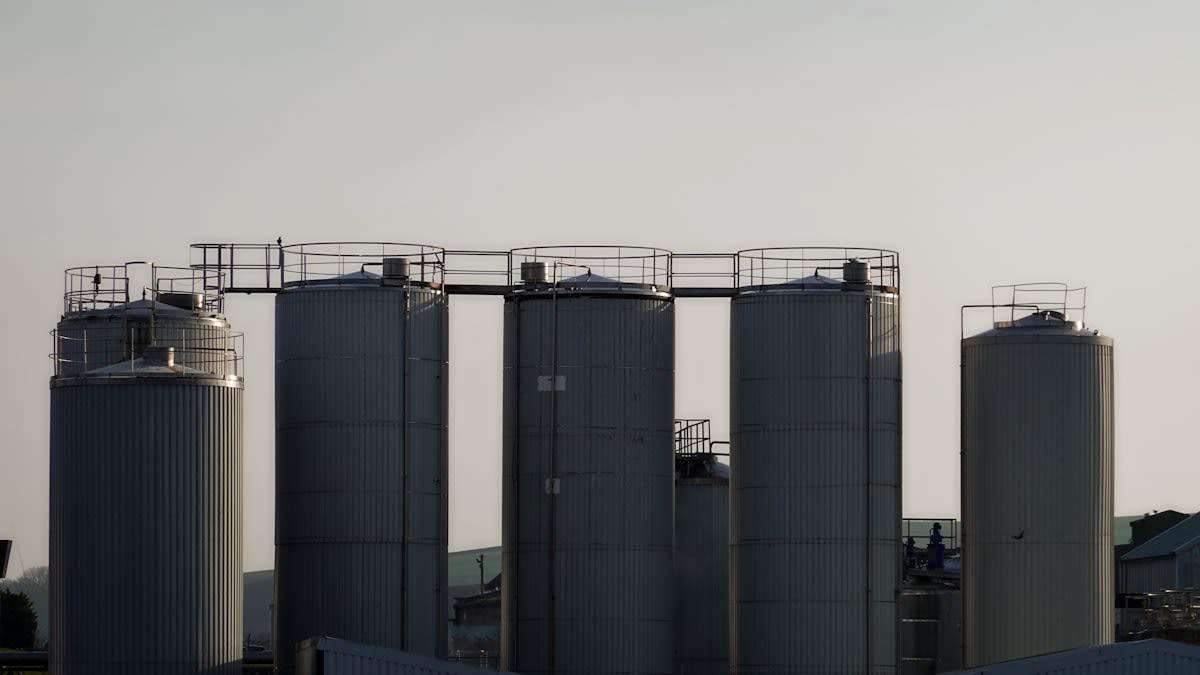
We are seeing the rise of 'Upcycling Hubs'—industrial parks where a brewery, a bakery, and a biotech firm sit side-by-side. The waste of one becomes the feedstock of the next. This symbiotic industrial ecology is the blueprint for the next decade of food production.
Beyond the Hype: The Risk of 'Green-Washing'
However, the trend is not without its critics. There is a growing concern that 'upcycled' is becoming a convenient shield for brands to avoid deeper systemic changes. If a company simply upcycles 1% of its waste while continuing to overproduce by 30%, is it actually contributing to sustainability? This is the central tension of the movement.
The industry's response has been the introduction of third-party certifications. By creating a rigorous standard for what actually constitutes 'upcycled,' organizations are attempting to prevent the term from becoming a meaningless marketing buzzword. The goal is to ensure that the ingredient actually diverted waste from a landfill, rather than just being a rebranded byproduct that was already being used.
Fact-Check & Accuracy Note
Key claims regarding the EU Green Deal and the market growth of upcycled ingredients are sourced from the European Commission (2023) and Global Market Insights (2023). The shift in terminology from 'waste' to 'co-product' is a widely documented trend within the Upcycled Food Association's framework. There remains an ongoing debate regarding the actual net-environmental impact of industrial upcycling versus total waste reduction at the source.