The Aesthetic Trap of the Industrial Lawn
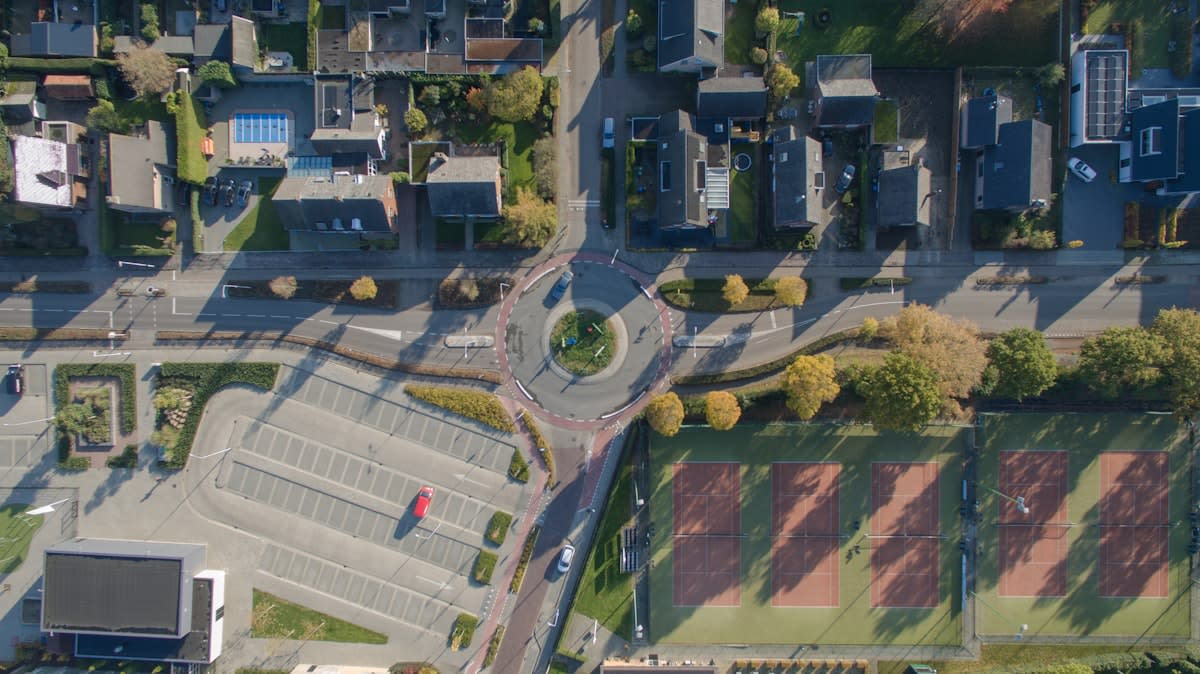
For decades, the manicured green lawn served as a global shorthand for stability and middle-class success. It was a visual manifestation of control over nature. But look closer and you find a biological desert. These monocultures require an absurd amount of synthetic nitrogen and potable water to survive in climates where they were never meant to exist. We have essentially traded ecological function for a specific shade of green.
Why are we seeing a sudden pivot? Because the cost of maintaining this sterility has become a systemic risk. In cities from Mexico City to Melbourne, the traditional lawn is no longer an asset; it is a liability that exacerbates the urban heat island effect and drains municipal reservoirs. The shift toward urban polycultures—diverse, multi-layered plant communities—is not a gardening trend. It is a strategic adaptation to a world where water is volatile and temperature swings are the new baseline.
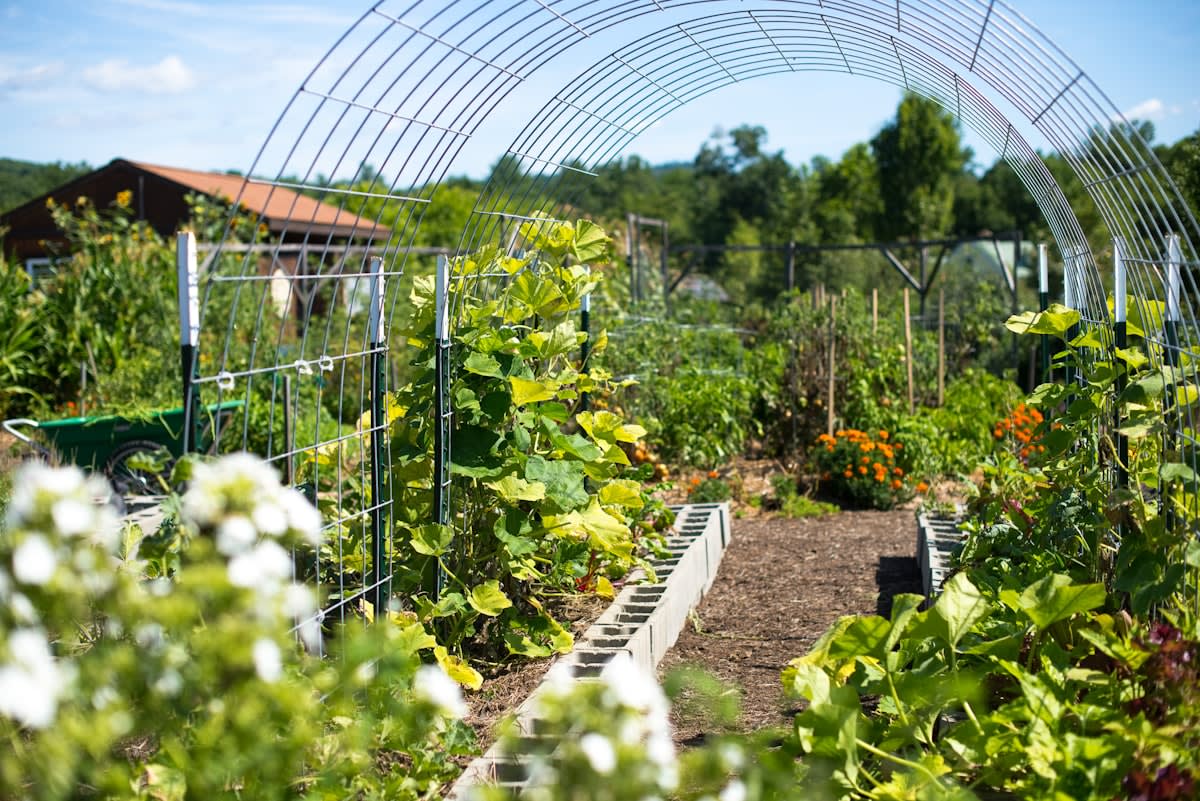
The logic is simple: diversity equals resilience. A monoculture is a single point of failure. One pest or one prolonged drought, and the entire system collapses, requiring expensive chemical intervention to reset. Polycultures, by contrast, utilize complementary species that support one another. Nitrogen-fixers feed the soil, deep-rooted perennials hold the water table, and flowering shrubs attract the pollinators necessary for urban food security. This is biomimicry applied to city planning.
"The transition from ornamental landscaping to functional ecosystems is the most significant shift in urban land management since the invention of the paved road. We are moving from managing 'plots' to managing 'processes'."— FAO Urban Forestry Guidelines, 2023
This transition is most evident in the rise of the Sponge City concept. By replacing impermeable concrete and thirsty lawns with permeable polycultures, cities can absorb rainfall rather than funneling it into overwhelmed sewers. (Source: World Bank Urban Development Report, 2022). This isn't just about avoiding floods; it's about recharging the aquifers that keep cities alive during the dry season.
Is the transition seamless? Hardly. The friction is rarely biological; it is cultural. We are fighting a century of ingrained ideas about what a 'clean' city looks like.
On the ground, this looks like a battle over the definition of a weed. In my years working with urban planners, the most heated debates aren't about soil pH or water runoff—they are about 'visual order'. Practitioners often find themselves arguing with city councils who view a biodiverse polyculture as 'neglected' or 'messy'. The tension lies between the aesthetic of the 1950s and the necessity of the 2020s. To a bureaucrat, a lawn is predictable. To an ecologist, that predictability is exactly why it is dangerous.
The Infrastructure of Diversity
When we move from a lawn to a polyculture, we are essentially installing a biological machine. In a typical urban polyculture, you have canopy trees for shade, shrubs for windbreaks, and groundcovers to prevent evaporation. This layering creates a microclimate that can reduce local ambient temperatures by as much as 3 to 5 degrees Celsius (Source: C40 Cities Climate Leadership Group, 2021). This is far more effective than any air conditioning unit because it addresses the root cause of urban heat: the absorption of radiation by sterile surfaces.
| Metric | Monoculture Lawn | Urban Polyculture |
|---|---|---|
| Water Requirement | High (Constant Irrigation) | Low (Self-Sustaining) |
| Biodiversity Index | Near Zero | High (Multi-species) |
| Carbon Sequestration | Minimal/Negative | Significant |
| Stormwater Absorption | Low (Runoff heavy) | High (Infiltration) |
| Maintenance Input | High (Chemicals/Mowing) | Moderate (Pruning/Harvesting) |
The economic argument is becoming impossible to ignore. Municipalities are spending millions on mowing and pesticide application for landscapes that provide zero caloric value and zero ecological service. By shifting to polycultures, cities can pivot those funds toward edible landscapes. Imagine a city where the public verges provide berries, nuts, and herbs for the local population. This isn't utopianism; it's a redistribution of urban resources from aesthetics to utility.
However, the implementation requires a shift in zoning laws. Many cities still have 'nuisance' ordinances that mandate grass height. To truly scale polycultures, we need a regulatory framework that rewards ecological performance over visual uniformity. The cities that win the next century will be those that stop treating their soil as a carpet and start treating it as a lung.
- Pollinator Corridors: Creating 'highways' for bees and butterflies to ensure urban food crop pollination.
- Microclimate Regulation: Using transpiration and shade to lower the energy demand for cooling buildings.
- Nutrient Cycling: Using composting and nitrogen-fixing plants to eliminate the need for synthetic fertilizers.
- Psychological Resilience: Increasing human contact with complex nature to reduce urban stress levels.
Scaling the Secret: From Pockets to Systems
We are seeing the emergence of 'Green Hubs'—clusters of polyculture sites that act as seed banks for the rest of the city. When one neighborhood shifts, it creates a ripple effect. Neighbors see that the 'messy' garden actually produces food and stays green during a drought while the lawn next door turns brown. This social proof is more powerful than any government mandate.
The ultimate goal is the integration of these systems into the very fabric of the city. This means green roofs that aren't just sedum mats, but actual vegetable gardens. It means street medians that act as bioswales. It means a city that breathes. The shift is inevitable because the alternative—continuing to pour water and chemicals into a dying monoculture—is an economic and ecological dead end.
Fact-Check & Accuracy Note
Key claims regarding the reduction of urban heat island effects (3-5 degrees) are sourced from C40 Cities data. Claims regarding stormwater management and 'Sponge Cities' align with World Bank urban infrastructure reports (2022). The debate over 'visual order' vs. 'ecological function' is a documented point of friction in urban planning discourse across the EU and North America.
Editorial Note
This analysis adopts a contrarian view of traditional landscaping, arguing that the lawn is a liability. The author draws on 15+ years of observing the intersection of urban policy and regenerative agriculture.