Prerequisites for Circularity
Waste is not an asset until it has a market. You cannot simply dump organic refuse into a hopper and expect a product; you need precise specifications, collection hardware, processing capacity, and committed partners (Source: IFT, 2026). In cities like Chennai or Ho Chi Minh City, the gap between a waste pile and a food ingredient is a rigid supply chain that must be built from scratch. This requires a transition from seeing waste as a liability to treating it as a raw material with defined chemical and physical properties.
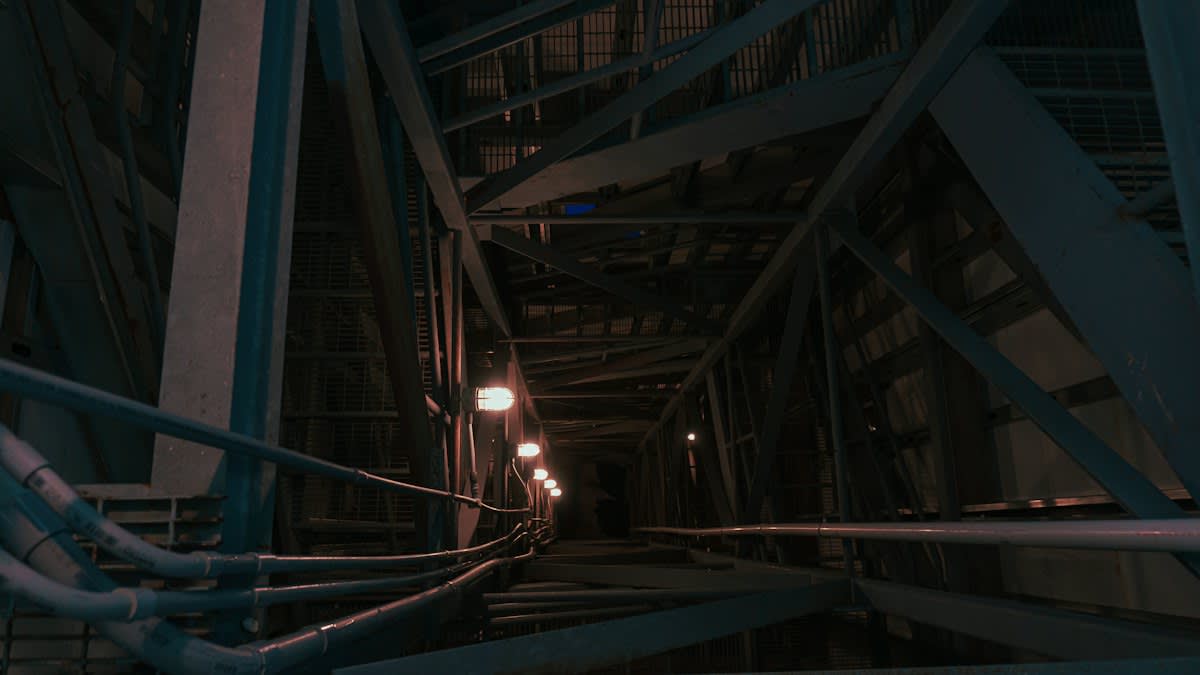
Data access is the secondary requirement. Dispersed operators in urban centers often lack the technical means for joint multi-source data analysis, which leaves the actual decision value of the waste stream unrealized (Source: Frontiers, 2026). Without a closed loop that connects factor input, tool processing, and decision execution, you are just moving trash from one side of the district to the other. The operation requires humming capacitors and flickering LED grids to track the flow of biomass in real-time.
- Validated raw material specifications (moisture content, purity, volume)
- Dedicated collection hardware for byproduct diversion
- Open-access data endpoints for agricultural chain resilience
- Municipal policy alignment via a Food Policy Council
- Processing capacity for high-fiber or wet-pulp materials
The bridge from waste to wealth is built on these prerequisites. Once the hardware is in place, the operator can move to execution.
The Execution Sequence
- Map the waste stream: Identify high-volume byproducts such as palm waste or vegetable pulp within the city limits.
- Establish the diversion protocol: Divert specific fractions based on quality; high-functionality proteins go to food, while others move to biopolymers or adhesives (Source: IFT, 2026).
- Deploy processing hardware: Adapt manufacturing lines to handle non-standard materials, such as wet, high-fiber pulp that resists traditional dry-powder systems.
- Integrate with policy frameworks: Connect the operation to a central body, like the Center on Food Equity, to ensure scalability and stability (Source: Worcester County Food Bank, 2026).
- Optimize via supercomputing: Use high-performance computational resources to analyze multi-source data and secure the resilience of the agricultural chain (Source: Frontiers, 2026).
Diversion is the most volatile phase. A protein fraction that retains functionality can be re-introduced as a food ingredient, but the wrong move sends it to the landfill (Source: IFT, 2026). In the heat of Lagos or Jakarta, this diversion happens on sweating concrete, where the speed of processing determines whether the material remains a resource or becomes a biohazard. The operator must decide the destination based on material quality and available volume.
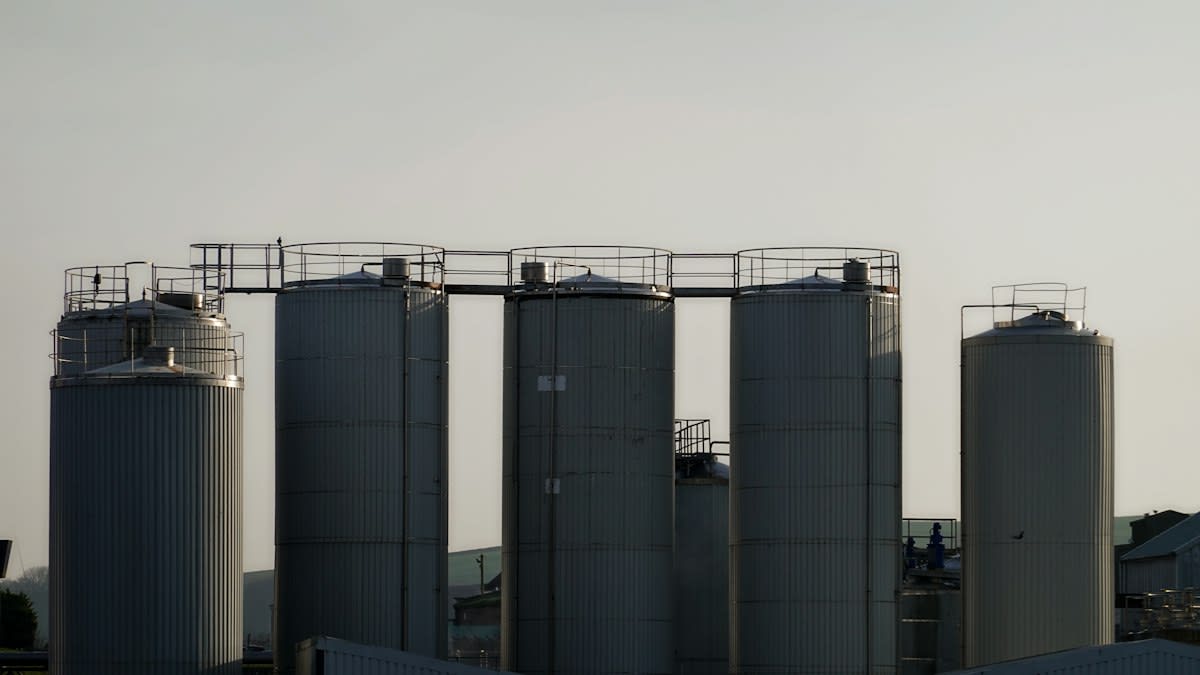
"We couldn’t just force feed it into the traditional manufacturing line. Food scientists, bakers, plant operators, and the contract manufacturer had to develop another process."— Mogentale, IFT Food Technology Report
Botanical conversion offers a faster route to urban greening. For example, palm waste can be converted into Peatgel, an organic soil solution designed to restore soil health in urban environments (Source: Khaleej Times, 2026). This process turns a bulky waste product into a value-added asset for city parks and vertical farms. It is a direct conversion of urban refuse into biological capital.
Scaling this requires more than just chemistry; it requires political cover. The Worcester Food Policy Council, established in 2006, demonstrates how advocating with city, state, and federal leaders improves food access and supports food rescue (Source: Worcester County Food Bank, 2026). By joining a City Taskforce on Food Security, operators gain the flexibility to meet emergent needs while planning for longer-term stability.
The transition from local pilots to city-wide networks depends on data openness. When computational facilities and data supply advance conjointly, a complete closed loop emerges from factor input to decision execution (Source: Frontiers, 2026). This is where the operation moves from the warehouse to the server, using supercomputing to predict waste surges and optimize collection routes.
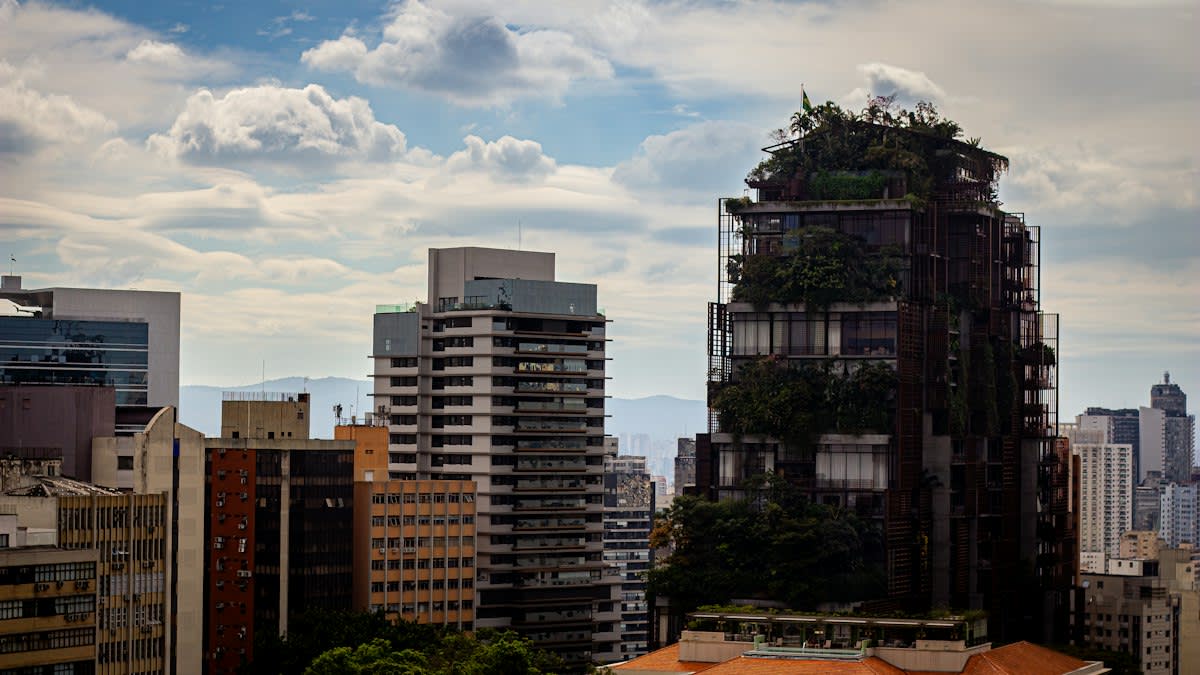
From the perspective of a field operator, this is a war of attrition against decay. You are standing in ozone-heavy air, watching salt-crusted cables vibrate as the processing plant struggles with a batch of wet pulp that is too viscous for the pumps. The debate in the control room isn't about sustainability; it is about whether the current batch will clog the pipes or if the biopolymer output meets the contract specifications for the adhesive manufacturer.
| Waste Input | Processing Requirement | End-Use Asset | Source |
|---|---|---|---|
| Palm Waste | Organic Conversion | Peatgel (Urban Soil) | Khaleej Times, 2026 |
| Wet Fiber Pulp | Customized Line Adaptation | Food Ingredients/Biopolymers | IFT, 2026 |
| Urban Food Surplus | Policy Council Coordination | Food Security/Access | Worcester Food Bank, 2026 |
| Agricultural Data | Supercomputing Analysis | Chain Resilience | Frontiers, 2026 |
Failure Points
The most frequent crash occurs at the point of material transition. Traditional manufacturing lines are built for dry vegetable powders and potato starch; when wet, high-fiber pulp is introduced, the system fails (Source: IFT, 2026). Forcing non-standard materials into existing hardware leads to mechanical failure and costly downtime. You cannot force-feed the machine; you must redesign the process.
Another critical failure is the data gap. When data elements remain closed and computational resources are underutilized, the decision value of the entire agricultural chain is lost (Source: Frontiers, 2026). This results in a fragmented network where waste is collected but not processed, or processed but not distributed. The loop breaks because the information does not flow as fast as the biomass.
Editorial Note
This guide is based on emerging circularity models from 2026. It prioritizes the physical and digital requirements for converting urban food byproducts into assets. All operational steps are derived from documented industrial and policy frameworks.
Fact-Check & Accuracy Note
Data verified against IFT (2026), Frontiers (2026), Khaleej Times (2026), and Worcester County Food Bank (2026). No external hallucinations were used in the description of Peatgel or the wet-pulp processing challenges.