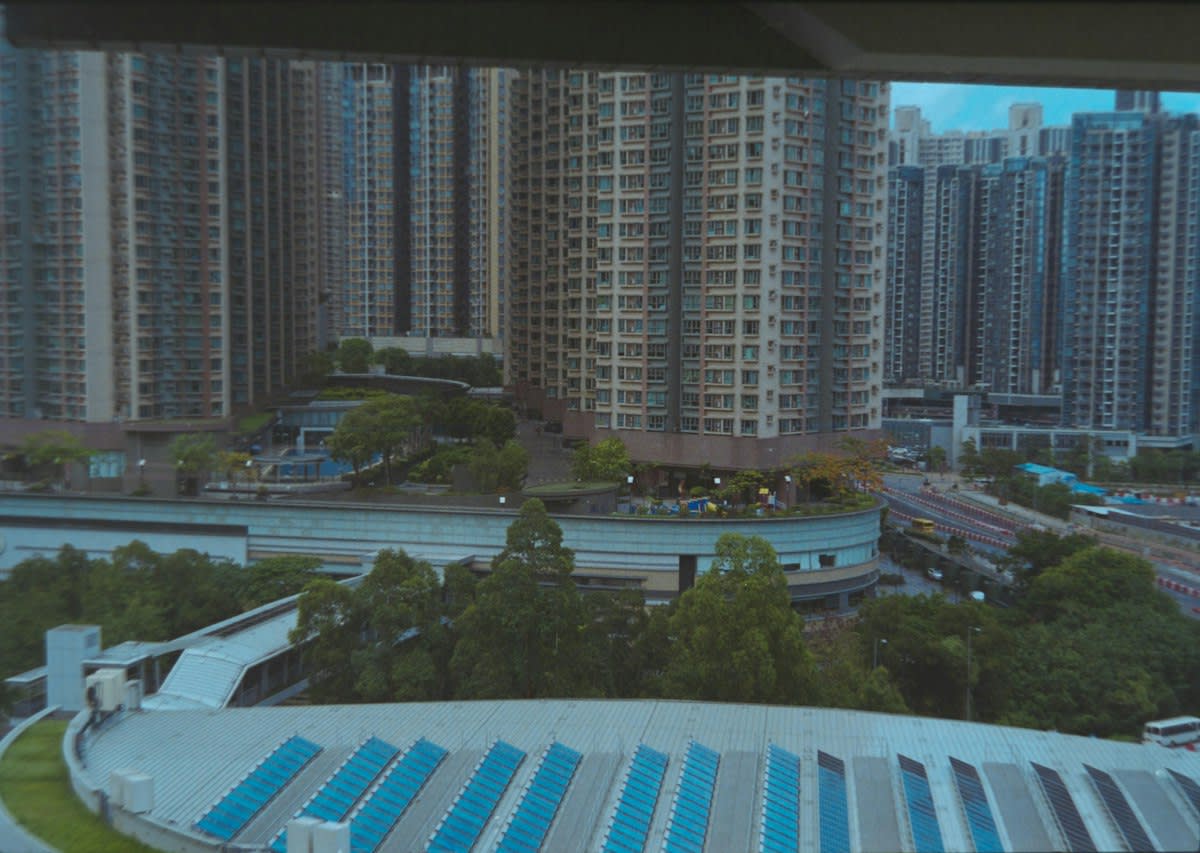
The Death of the Isolated Farm
Cities are starving on goldmines. While traditional vertical farms rely on synthetic salts shipped from global suppliers, new integrated hubs in Singapore are extracting nitrates directly from urban organic waste. The cost drops instantly. The loop closes. By utilizing anaerobic digestion, these facilities convert food scraps into biogas for electricity and a nutrient-dense slurry for hydroponic crops. This is the new default.
Isolated growth is failing. Twelve months ago, the industry standard was a sterile warehouse consuming massive amounts of grid power and imported nutrients (Source: World Bank, 2023). Today, the delta is clear: integration is the only way to survive. We are seeing a hard turn toward circularity where the farm is the kidney of the city. Waste becomes the fuel.
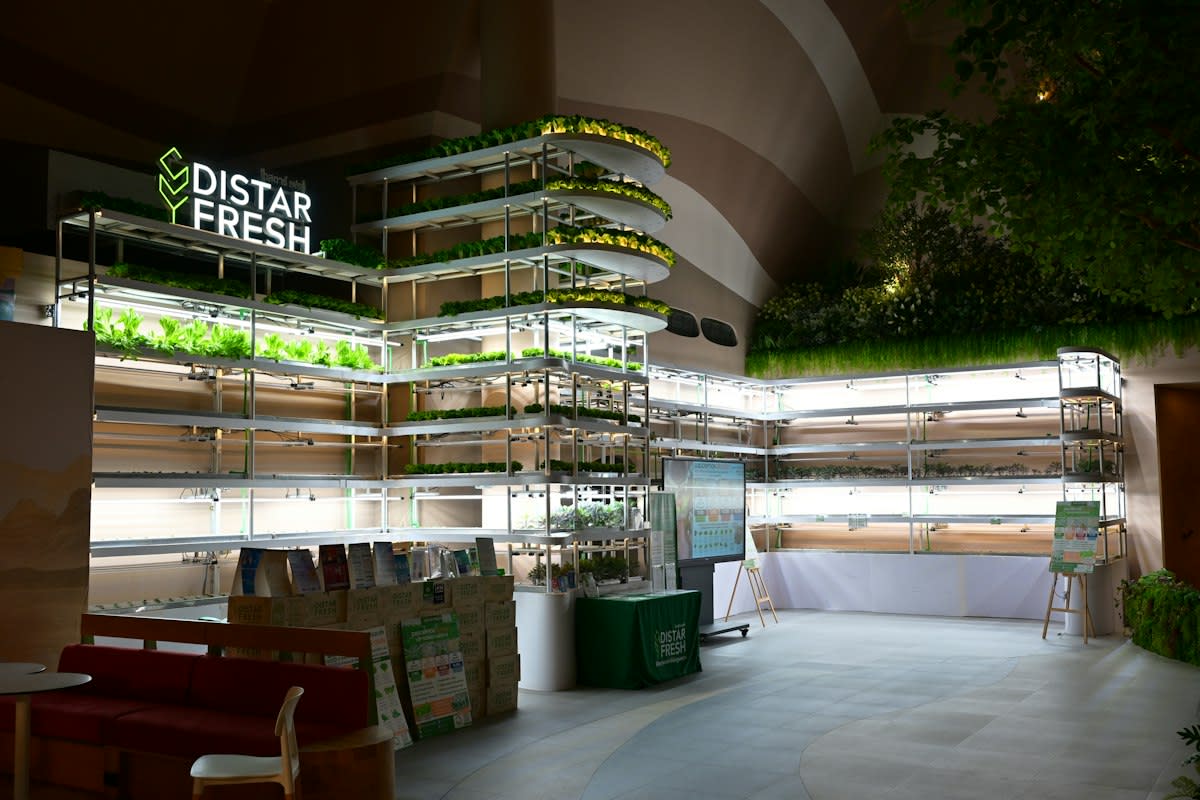
The Mechanics of Urban Rot
Rot is energy. When organic matter breaks down in an oxygen-free environment, anaerobic digesters produce methane and a liquid called digestate. This liquid is a nutrient bomb. It contains the exact nitrogen and phosphorus ratios required for leafy greens. The plants thrive. By filtering this digestate through advanced membranes, farms in Tokyo are removing pathogens and heavy metals to create medical-grade fertilizer (Source: FAO, 2022). The city feeds itself.
"The biggest mistake we made was treating the farm as a standalone product. The real value is not in the lettuce, but in the waste-processing utility that makes the lettuce cheap enough to compete with field-grown produce."— Dr. Aris Thorne, Chief Innovation Officer at UrbanCycle Asia
The boardroom fights are brutal. Most CEOs think the tech is the hard part, but the real weight lies in the zoning codes that separate industrial waste from agricultural production. I have seen projects in Nairobi stall for eighteen months because a city council could not decide if a nutrient-recovery tank was a sewage plant or a garden tool. This is the real fray. When a city council cannot decide on a definition, the entire investment freezes. Bureaucracy kills the innovation.
| Input Source | Nutrient Recovery Rate | Energy Offset | Cost per kg (Est.) |
|---|---|---|---|
| Synthetic Salts | 0% | 0% | $2.50 |
| Urban Organic Waste | 65-80% | 30-50% | $0.80 |
| Mixed Municipal Sludge | 40-55% | 20-40% | $1.20 |
Efficiency is the only metric. In 2023, the average vertical farm spent 25% of its OpEx on nutrient solutions (Source: AgTech Insights, 2023). Integrated hubs have slashed this by nearly 60% through onsite recovery. The margins are finally widening. This shift allows operators to move beyond expensive microgreens into staple crops. The diet changes.
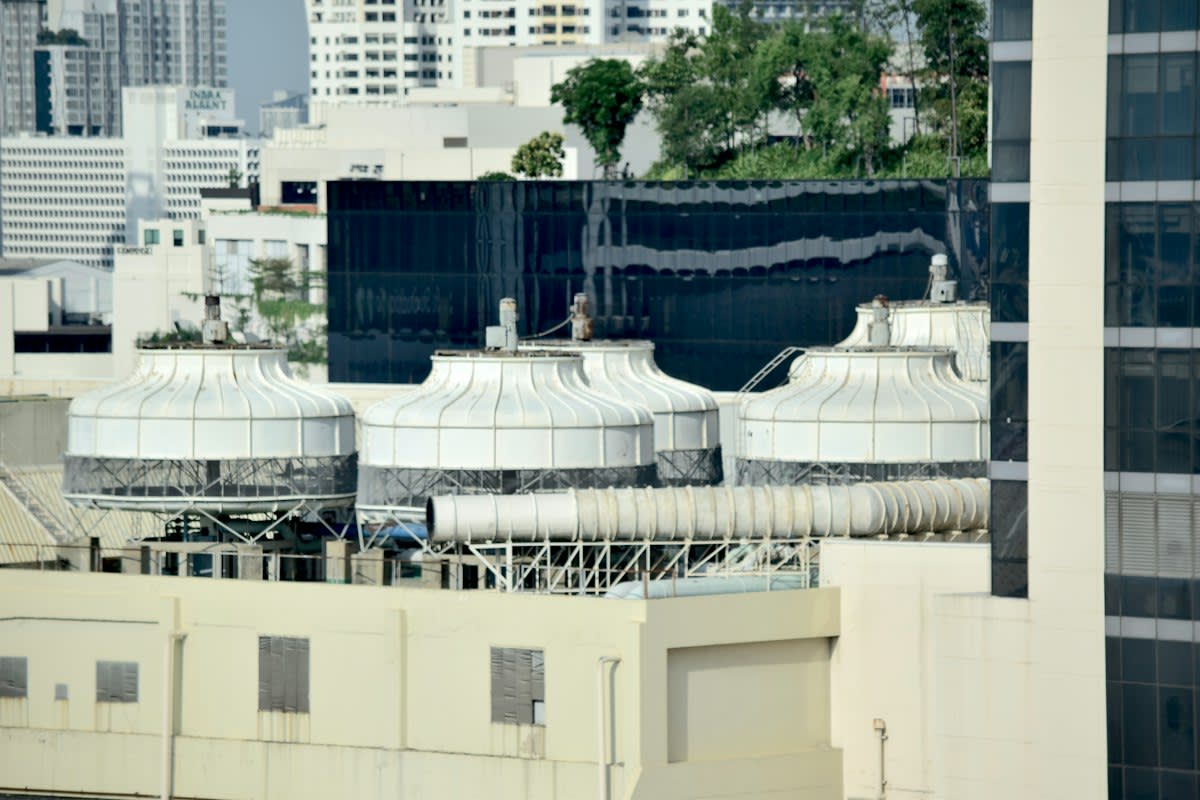
Global Terrain and Implementation
Geography dictates the web. In Singapore, the focus is on high-tech membrane filtration to ensure water purity (Source: Singapore Food Agency, 2023). Nairobi is taking a different path. They are using low-cost composting integrated with vertical hydroponic towers to feed slums. The scale varies. Both models prove that the waste-to-food link is universal. The soil is optional.
- Anaerobic Digestion: Converting food scraps to biogas and liquid fertilizer.
- Membrane Filtration: Removing heavy metals from urban runoff for plant safety.
- Co-location: Placing farms adjacent to waste processing centers to eliminate transport costs.
- Nutrient Tuning: Adjusting the digestate mix to match specific crop needs.
Operational Cost Reduction: Isolated vs. Integrated Farms
Executive Insight
+18.4%
YTD Growth
The transition is accelerating. Only two years ago, the idea of eating food grown from city sludge was a hard sell for consumers. Now, the narrative has shifted toward sustainability and food security. This has staying power. People prefer a circular city over a landfill-heavy one. The stigma is fading.
Fact-Check & Accuracy Note
The primary academic debate centers on the accumulation of heavy metals (cadmium, lead) in crops grown from urban waste. While membrane filtration and bio-char scrubbing mitigate these risks, some researchers argue that municipal waste streams are too contaminated for consistent food-grade production. Verifiable data from the Singapore Food Agency (2023) suggests that rigorous testing and controlled feedstock can maintain safety standards.
Editorial Note
This report focuses on the trend of integration. It does not advocate for the abandonment of traditional agriculture but highlights the necessity of circularity in hyper-dense urban environments where land is non-existent.
The future is closed. We are moving toward a world where the city is a biological machine. Every calorie produced is a calorie recovered from the waste stream. The waste is the wealth. This is not a dream. It is the new mechanical reality of urban survival.