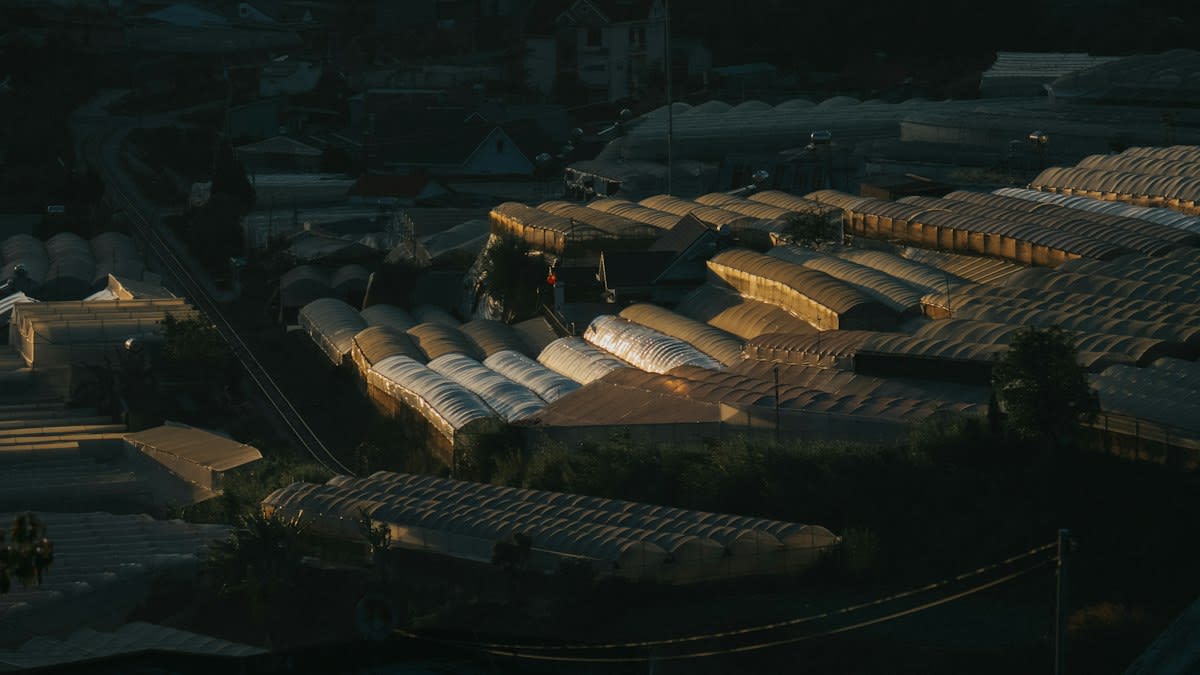
The honeymoon phase of the vertical farming mega-warehouse is officially over. For years, the narrative was about stacking layers of greens in climate-controlled skyscrapers, regardless of the kilowatt-hour cost. Now, we are seeing a sharp correction. The industry is moving away from centralized, energy-intensive hubs and toward a more fragmented, intelligent model. In Qatar, for example, the shift toward smart agriculture is no longer a luxury but a strategic requirement to strengthen food security and improve production efficiency (Source: Gulf Times, 2026). The focus has shifted from how high we can grow to how little we can waste.
This shift is most visible in the rise of modular, containerized systems that prioritize localization over centralization. In the Western Cape, agri-tech start-up Arable Grow is demonstrating a model that bypasses the energy drain of massive facilities. By using climate-controlled shipping containers designed specifically for African conditions, they have managed to reduce water usage by approximately 95% compared to conventional farming (Source: Business Explainer, 2026). This isn't just about saving water; it is about eliminating the logistics chain. Produce is harvested and delivered to retailers within hours, which effectively kills the food waste typically associated with long-haul transport (Source: Business Explainer, 2026).
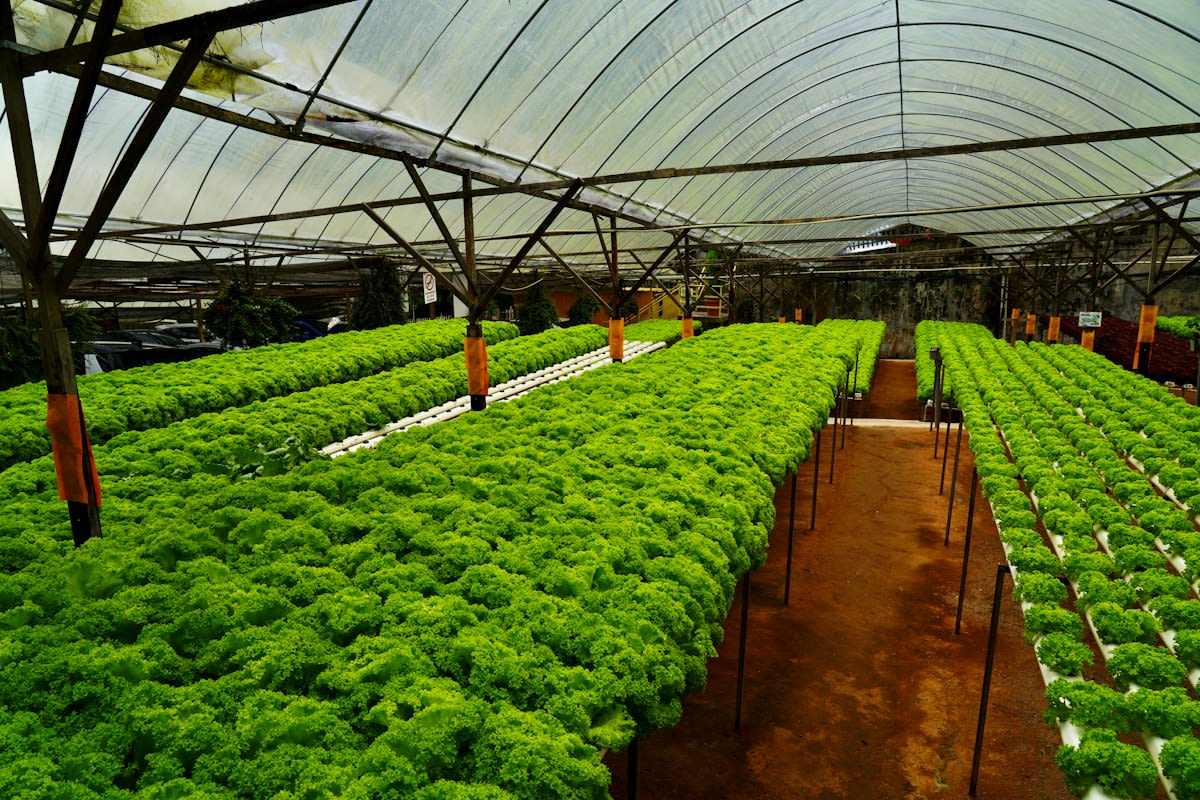
"We want to demonstrate that vertical farming isn’t just possible in South Africa, it’s scalable. If we can establish container farms in communities across the country using technology designed for Africa, we believe we can play a meaningful role in strengthening food security while creating a more sustainable future."— Duvenhage, Arable Grow
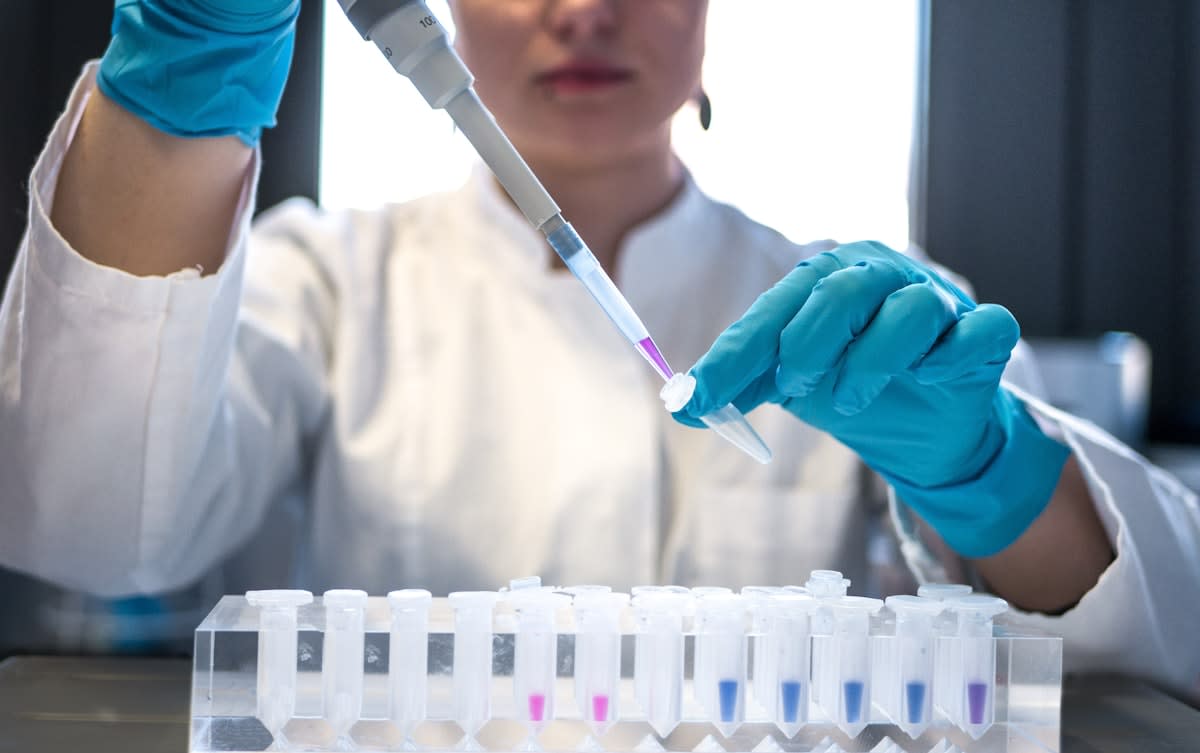
But here is the friction: the real battle isn't just about lights and pumps; it is about the chemistry of the nutrients. The 'energy wall' isn't just electrical—it is a resource wall. Traditional hydroponics rely on expensive, synthetic nutrient salts that carry their own carbon footprint. To solve this, researchers are looking at circularity. Siegfried Vlaeminck at the University of Antwerp is currently investigating the recovery of nitrogen and carbon from wastewater to feed these systems (Source: University of Antwerp, 2026). This involves using black water digestate and grey water to create a closed-loop fertigation system, effectively mimicking the nutrient cycling found in natural soil (Source: University of Antwerp, 2026).
The technical depth of this transition is staggering. Vlaeminck's work explores advanced control for resource-efficient nitritation and denitritation, as well as the use of membrane collection of CO2 from carbon-rich grey water for greenhouse fertilization (Source: University of Antwerp, 2026). This is where the 'Efficiency War' is actually being fought. By reclaiming nutrients and CO2 from waste streams, these systems are attempting to decouple food production from the expensive chemical industry. It is a move from 'industrial' farming to 'biological' engineering.
| Metric | Traditional Vertical Farm | Modular Container Model (Arable Grow) | Resource-Recovering System (Vlaeminck) |
|---|---|---|---|
| Water Usage | Moderate/High | 95% Reduction vs Conventional | Closed-loop Recovery |
| Nutrient Source | Synthetic Salts | Hydroponic Solutions | Wastewater Digestate |
| Distribution | Centralized Hubs | Hyper-Local (Hours to Shelf) | Integrated Greenhouse |
| Energy Profile | High (HVAC/LED) | Renewable-Integrated | Low-Energy Resource Recovery |
From a practitioner's perspective, this transition is messy. If you talk to the people actually managing these systems, the debate isn't about 'innovation'—it is about the nightmare of nutrient balancing. Managing the COD/N (Chemical Oxygen Demand to Nitrogen) range in wastewater is a constant struggle. One bad batch of digestate can clog an entire hydroponic line or cause a nutrient spike that burns a whole crop. There is a visceral tension between the clean, sterile image of vertical farming and the 'ugly' reality of processing biological wastewater to make the economics work. It is the difference between a lab experiment and a working farm.
Despite the operational headaches, the return on investment is starting to tilt. When you simplify the complexities of hydration and nutrition, the system begins to outperform the rising costs of store-bought produce (Source: Papa's Farm, 2026). The goal is no longer to replace the field entirely but to create a hybrid efficiency. We are seeing a trend where the 'smart' part of the farm handles the precision, while the 'biological' part handles the resource recovery.
The geopolitical urgency of this shift cannot be overstated. In regions like Qatar, where traditional soil farming is nearly impossible due to climate and salinity, the 'smart farm' is the only viable path to autonomy (Source: Gulf Times, 2026). However, the lesson being learned is that technology cannot override thermodynamics. You cannot simply add more LEDs to solve a food crisis; you have to find a way to make the energy and nutrient inputs nearly zero. That is why the integration of renewable energy into container farms, as seen with Arable Grow, is now a baseline requirement rather than a feature (Source: Business Explainer, 2026).
Looking ahead, the 'winners' of this efficiency war will be those who stop treating the farm as a factory and start treating it as an ecosystem. The integration of microbial biotechnology for resource-efficient nutrient management (Source: University of Antwerp, 2026) suggests a future where urban farms act as the kidneys of the city—cleaning wastewater and air while producing food. This is a far cry from the sterile, energy-hungry warehouses of five years ago.
Fact-Check & Accuracy Note
Key claims regarding water reduction (95%) and local delivery timelines are sourced from Business Explainer (2026). Technical details on nutrient recovery from black/grey water are based on the research framework of Siegfried Vlaeminck at the University of Antwerp (2026). The strategic importance of smart farms in Qatar is sourced from the Gulf Times (2026). The debate regarding the ROI of simplified hydroponics is attributed to Papa's Farm (2026). The ongoing debate in the field remains whether resource-recovered nutrients can consistently match the purity and stability of synthetic alternatives at scale.