Bound to be ‘tamasha’ when my book comes out; my turn to tell my story: Sonia Gandhi
Source Entity
India Latest News: Top National Headlines Today & Breaking News | The Hindu
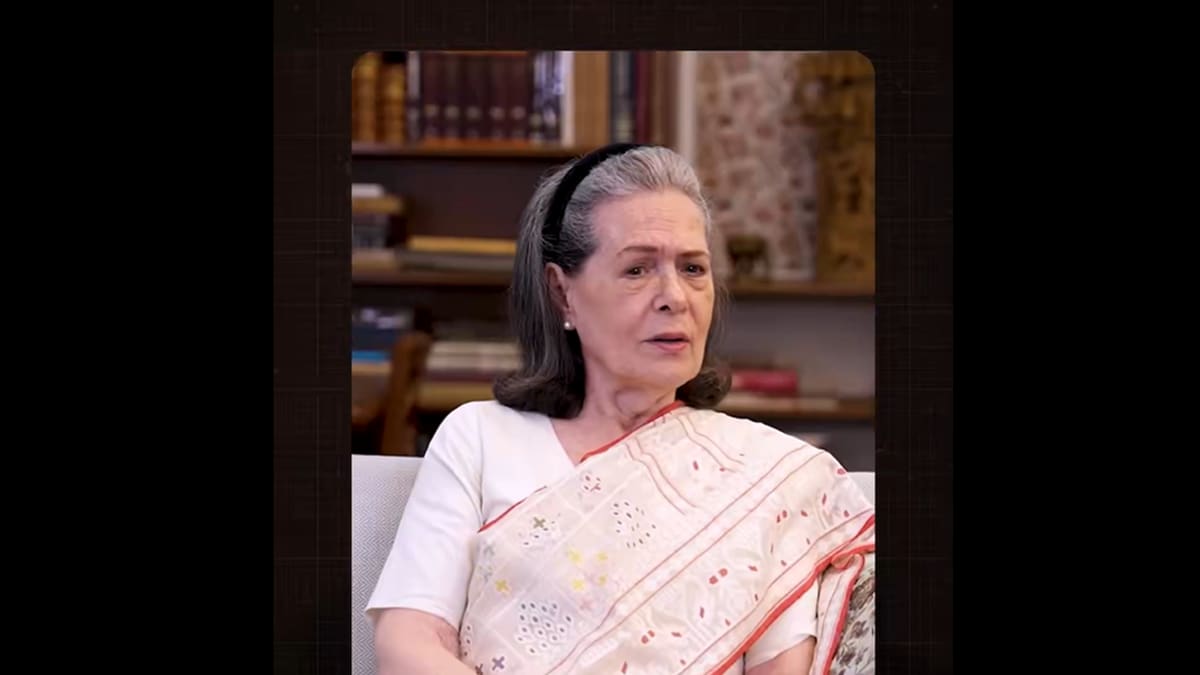
Former Congress president Sonia Gandhi has announced the upcoming release of her memoir, 'Belonging: A Journey of Love.' She anticipates significant public debate, or 'tamasha,' stating it is her turn to address decades of external narratives about her life.
The Unveiling of a Personal Narrative
Congress Parliamentary Party (CPP) chairperson Sonia Gandhi has officially confirmed that her long-awaited memoir, titled Belonging: A Journey of Love, is scheduled for release on November 10, 2026. In a series of social media engagements, including her recent debut on X and Instagram, Gandhi has signaled a departure from her historically reserved public persona. By choosing to share her own narrative, she seeks to reclaim the discourse surrounding her life, which has been subject to decades of external speculation, interpretation, and, as she describes it, "tamasha."
Challenging Decades of External Narratives
For the majority of her political career, Sonia Gandhi has been the subject of countless biographies, media reports, and political critiques. Many of these accounts, according to Gandhi, have included details that were either invented or significantly exaggerated. By explicitly stating that it is now her turn to tell her story, she is signaling an intent to correct the record and provide a firsthand account of the events and personal experiences that have defined her journey within the Indian political landscape.
The Anticipation of 'Tamasha'
Gandhi’s use of the word "tamasha," a Hindi term often implying public drama or spectacle, suggests an astute awareness of the polarized environment in which her book will be received. Her acknowledgment that "there is bound to be some tamasha" reflects her understanding of the scrutiny she faces as a prominent political figure. This anticipation is not merely a commentary on the media cycle but an acknowledgment that her life story remains a point of intense public interest and, inevitably, political debate.
Digital Engagement and Transparency
The timing of this announcement, coinciding with her recent entry into the world of social media, marks a strategic shift in her communication style. By utilizing platforms like X and Instagram to provide sneak peeks and direct messages to her audience, Gandhi is bypassing traditional media gatekeepers to speak directly to the public. This digital outreach suggests a desire to control the messaging of her memoir, ensuring that her perspective is the primary lens through which her life is viewed.
Implications for Political Discourse
As the release date of November 10 approaches, the political implications of Belonging are likely to unfold. Given her stature, the book is expected to serve as a primary source for historians and political analysts interested in the evolution of the Congress party and the broader history of Indian politics. By focusing on "facts and things as they really were," the memoir promises to offer a nuanced look at her motivations and the challenges she faced, potentially shifting the established historical narrative.
Conclusion: A Definitive Account
Ultimately, Sonia Gandhi’s memoir represents a pivotal moment in her public life. By transitioning from a subject of others' writing to an author of her own history, she is asserting agency over her legacy. While the "tamasha" she predicts may indeed manifest in the form of heated political discourse, the memoir stands as an essential contribution to understanding one of the most significant figures in modern Indian history.
Multiple Citing Sources
Verification Required?