Ex-FBI official's lawyers slam unusual new criminal charge: 'Outrageous government conduct'
Source Entity
US Top News and Analysis
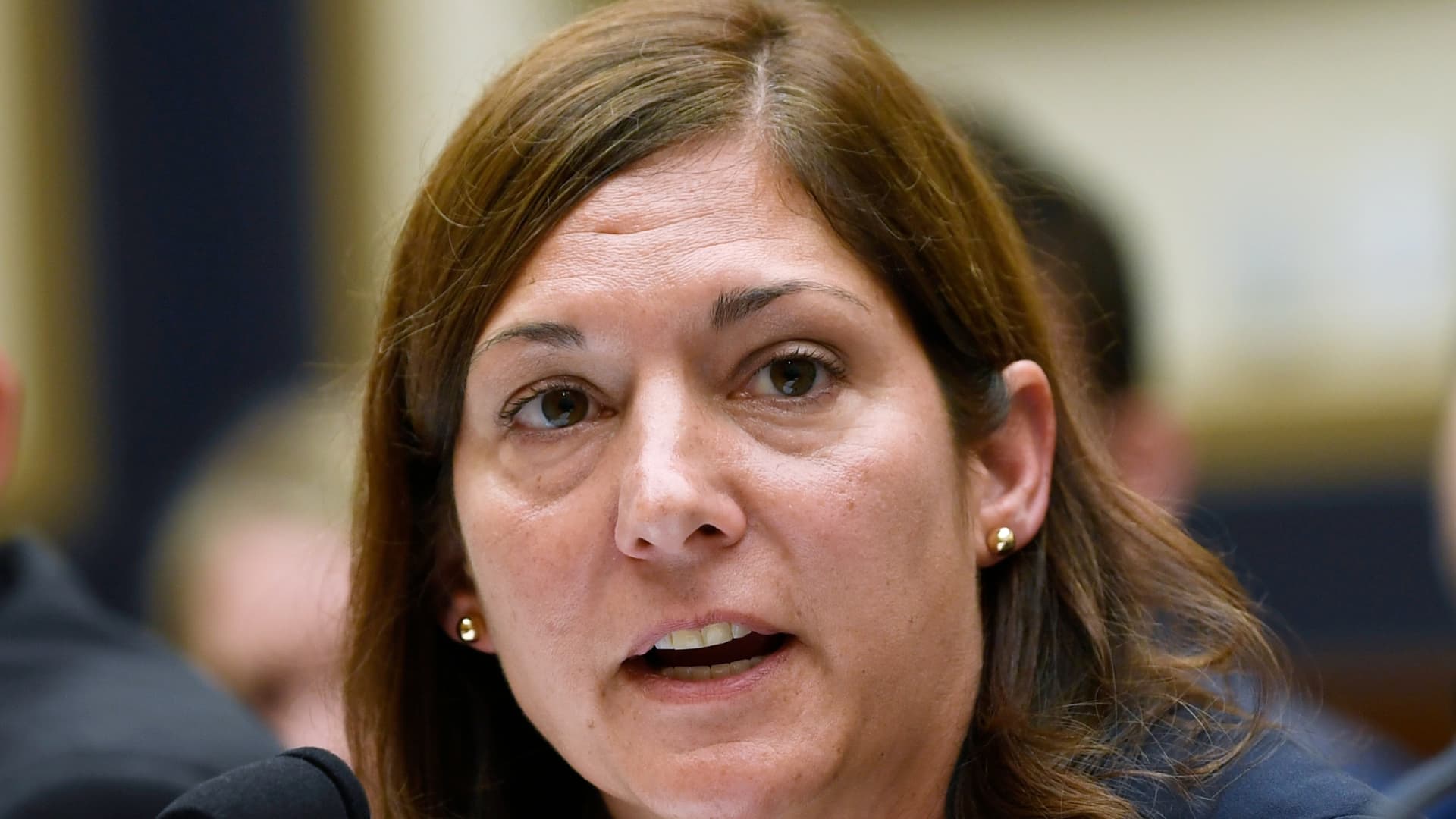
Lawyers for former FBI official Nikki Floris are challenging a last-minute, unsigned criminal charge brought by the D.C. U.S. Attorney's Office. The defense claims this late addition, involving testimony regarding Hunter Biden investigations, constitutes outrageous government conduct.
Legal Controversy Erupts Over FBI Testimony Case
An Unprecedented Procedural Dispute
Legal representatives for former FBI official Nikki Floris have leveled severe accusations against federal prosecutors following a highly unusual procedural maneuver. The defense team, which boasts extensive experience within the Department of Justice, has characterized the sudden filing of an "unsigned and unsworn" criminal count as "outrageous government conduct." This development, occurring just hours before a scheduled court appearance, has sparked significant debate regarding the integrity of the prosecutorial process in the District of Columbia.
The Core of the Allegations
The legal battle stems from the initial charges brought by the Department of Justice against Floris and her co-defendant, Bradley Benavides. Both former officials were accused of providing false testimony to Congress during 2023 proceedings. The subject of these hearings centered on their involvement in internal investigations concerning Hunter Biden. The transition from the initial accusations to the current "superseding criminal complaint" highlights a deepening rift between federal law enforcement oversight and the individuals tasked with managing sensitive high-profile investigations.
Examining the 'Outrageous Conduct' Claim
In legal terms, the claim of "outrageous government conduct" is a high bar, typically reserved for actions that shock the conscience of the court. By filing an unsigned document, the prosecution has invited scrutiny into its internal protocols. The defense’s public reaction suggests a strategy of challenging the legitimacy of the filing itself, rather than solely addressing the underlying merits of the testimony dispute. This tactical pivot indicates that the defense views the government's procedural choices as a violation of due process rights.
Broader Implications for Congressional Oversight
The case serves as a flashpoint for the ongoing tensions between the executive branch's investigative arms and legislative oversight committees. When FBI officials testify before bodies like the House Judiciary Committee, the expectation is absolute transparency. However, when those testimonies become the basis for criminal charges, it complicates the relationship between the Bureau and the legislature. This case may set a precedent for how future testimony is handled and how potential contradictions in official accounts are litigated.
Historical Context and Future Trends
Historically, the FBI has navigated complex political landscapes, but the current scrutiny surrounding the Hunter Biden investigations represents a period of extreme polarization. The involvement of the D.C. U.S. Attorney's Office in this matter suggests that the government is aggressively pursuing potential instances of perjury within its own ranks. Moving forward, observers should expect a rigorous discovery phase where the validity of the "superseding criminal complaint" will be tested. If the court finds merit in the defense's claims of procedural irregularity, it could result in significant delays or even the dismissal of the new charges, potentially impacting public confidence in the judicial handling of politically sensitive cases.