Elon Musk’s six-word reply to Verizon CEO who said SpaceX needs 8 years to take it on
Source Entity
TOI TECH DESK
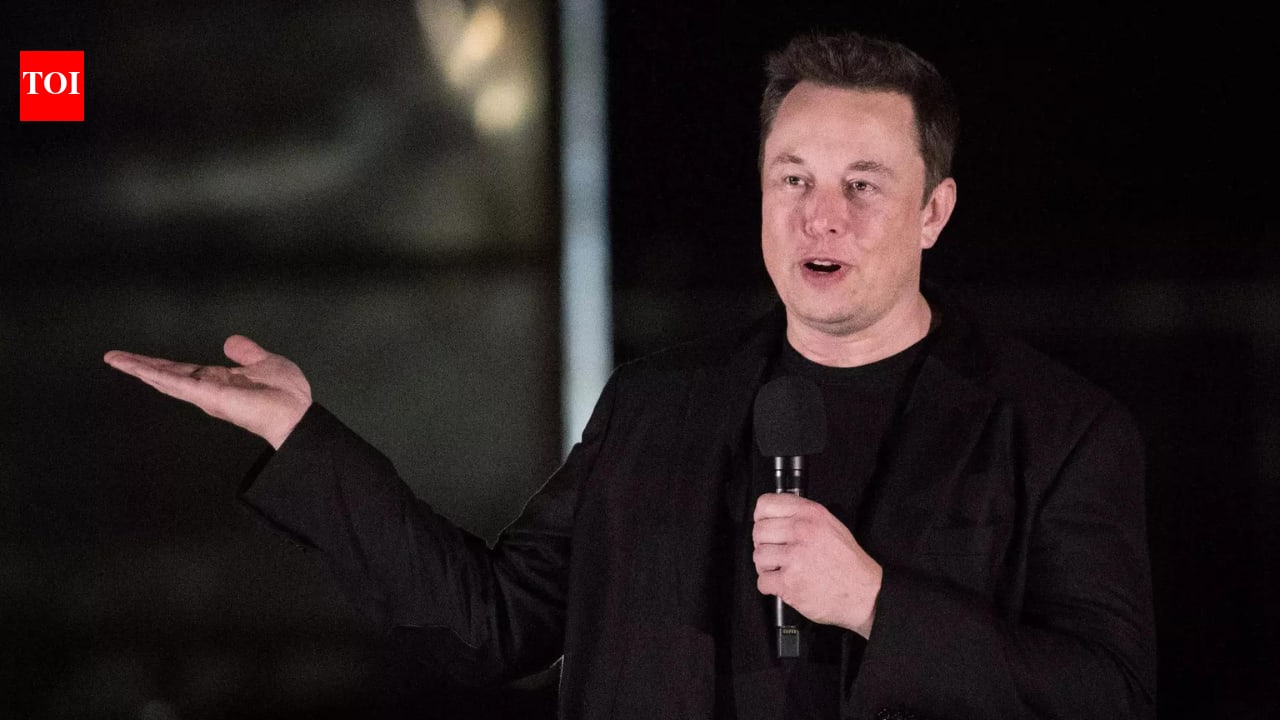
Verizon CEO Dan Schulman claims SpaceX needs eight years to build a rival mobile network, while Elon Musk insists the timeline is only three years. The dispute highlights the massive infrastructure hurdles SpaceX faces to compete with established carriers.
The Clash of Titans: SpaceX vs. Verizon
The telecommunications landscape is bracing for a potential disruption as SpaceX aggressively pursues its entry into the mobile sector. Verizon CEO Dan Schulman recently cast doubt on the feasibility of Starlink Mobile, positing that SpaceX would require up to $500 billion in investment, the construction of 80,000 cell towers, and an eight-year timeline to build a network capable of rivaling Verizon's established infrastructure. This skepticism reflects the traditional industry perspective that terrestrial mobile networks depend heavily on dense physical tower placement, a model that has defined telecommunications for decades.
Musk’s Counter-Narrative
Elon Musk, true to his characteristic style, dismissed these projections with a six-word reply on X, asserting that the project "will take 2 or 3 years." This stark disagreement underscores the fundamental divergence in philosophy between legacy carriers and SpaceX. While Verizon relies on its vast, capital-intensive network of ground-based assets, Musk is banking on the scalability of satellite technology. By leveraging its growing Starlink constellation, SpaceX aims to bypass the need for traditional terrestrial coverage density, though the technical challenges of providing high-speed mobile connectivity from space remain significant.
Strategic Acquisitions and Timeline
SpaceX’s recent $8 billion acquisition of low-band mobile spectrum marks a critical pivot point in their roadmap. This investment provides the necessary regulatory framework for Starlink Mobile to operate, with internal plans aiming for a commercial switch-on in early 2028. This timeframe suggests that Musk is betting on rapid technological iteration rather than the slow, methodical rollout typical of major telecommunications firms. If SpaceX succeeds, it could fundamentally alter the economics of mobile connectivity, potentially bringing coverage to previously unreachable rural areas.
The Urban Connectivity Barrier
One of the most contentious points raised by Schulman is the efficacy of satellite-based mobile networks in urban environments. The Verizon CEO argued that Starlink satellites simply cannot compete with terrestrial networks in densely populated cities, where signal interference and capacity constraints are rampant. Unlike rural areas, where Starlink holds a clear advantage, urban markets require massive bandwidth that satellite beams struggle to provide simultaneously to millions of users. This geographic limitation suggests that Starlink Mobile may function more as a complementary service or a niche provider rather than a direct replacement for metropolitan 5G networks.
Market Positioning and Future Implications
Industry analysts have noted that Starlink Mobile would enter the U.S. wireless market as the sixth major player, rather than the fourth. This distinction is crucial; it highlights that SpaceX is not necessarily looking to displace a single incumbent but is instead carving out a new space within a saturated market. The success of this venture depends on whether SpaceX can leverage its satellite constellation to offer a value proposition that traditional carriers cannot match. As we approach 2028, the industry will be watching closely to see if Musk’s ambitious timeline holds up against the immense physical and financial realities of global telecommunications infrastructure.