Xreal Aura is a new wired headset powered by Android XR
Source Entity
Ivan Mehta
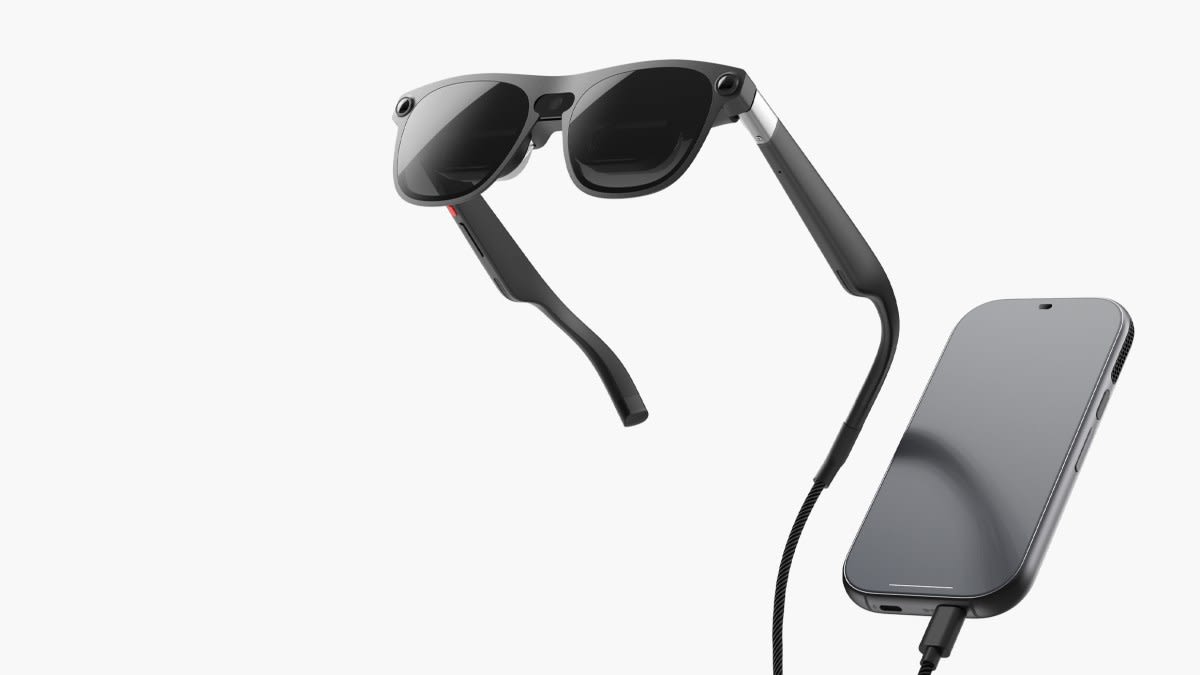
Xreal has launched the Aura, the first wired smart glasses powered by Android XR, featuring a tethered compute puck. Priced at a surprise $1,099, the device aims to compete with Meta by offering transparent lenses and integrated Gemini AI capabilities.
The Dawn of Android XR: Xreal Aura Debuts
At the recent Android Developer Summit, Google and its hardware partner Xreal officially unveiled the Xreal Aura, marking a significant milestone as the first wired smart glasses powered by the Android XR platform. Initially teased during Google I/O, the Aura represents a strategic shift in how Google intends to compete in the burgeoning spatial computing market. By utilizing the Qualcomm Snapdragon Reality Elite platform, the device is positioned as a sophisticated, lightweight alternative to the more cumbersome, all-in-one headsets currently dominating the consumer landscape.
Architecture of a Tethered Experience
The Aura distinguishes itself through a tethered architecture, where the heavy processing load is managed by a portable compute puck rather than being integrated directly into the headset frame. This design choice allows the glasses to maintain a weight of under 95 grams, significantly improving comfort for extended use cases, such as working in an office or consuming media on a plane. By offloading the thermal and battery weight to a pocketable unit, Xreal has addressed one of the primary friction points in wearable technology: long-term wearability.
Competitive Pricing Strategy
In a surprising move aimed at capturing market share, the retail price of the Xreal Aura was adjusted downward to $1,099, a notable reduction from the $1,279 early preorder price. This strategic pivot appears designed to position the Aura more competitively against Meta’s existing smart glasses lineup. By lowering the entry barrier, Google and Xreal are clearly signaling an intent to aggressively pursue the consumer segment, moving beyond the niche developer market to gain a foothold before competitors solidify their own ecosystems.
Spatial Computing and AI Integration
Beyond hardware specs, the Aura integrates Gemini on Android XR, allowing the glasses to contextually understand the user's environment and digital content. Because the lenses are transparent, the device supports true augmented reality, overlaying spatial content onto the physical world with a 70-degree field of view. This capability allows users to interact with multiple 2D and spatial apps simultaneously, effectively creating a multi-monitor setup that is portable and unobtrusive.
Broader Implications and Future Trends
Google’s reliance on an ecosystem of partners, including Xreal and Samsung, mirrors its successful strategy with the Android smartphone market. Rather than manufacturing every piece of hardware, Google is providing the software foundation—Android XR—to ensure a unified experience across various form factors. This approach suggests that we are entering a new phase of spatial computing where the operating system, rather than the specific headset manufacturer, acts as the primary differentiator for the user experience.
Conclusion
The launch of the Xreal Aura is more than just a new product release; it is the official opening of the front against Meta’s dominance in the wearable space. With its lightweight design, competitive pricing, and deep integration with Google’s AI services, the Aura is well-positioned to become a benchmark for what consumers can expect from Android-based spatial computing. As the platform matures, we can expect further hardware iterations and an expanding ecosystem of XR-specific applications.