The Protein Price Shock
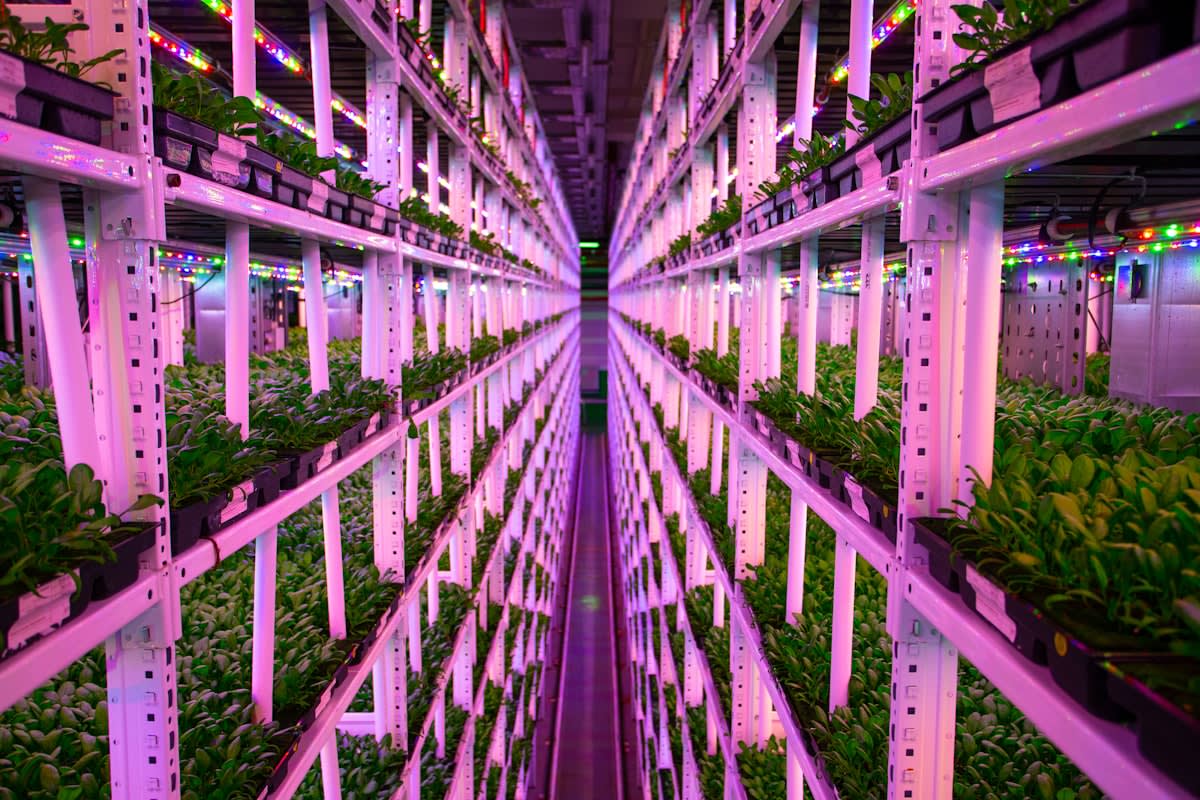
The global dinner table is undergoing a forced evolution. In the United States, the cost of buying food to eat at home has surged by 33% since the beginning of 2019, leaving millions of consumers to rewrite their shopping routines in real-time. This is not a marginal increase; it is a systemic shock that has turned staple proteins into luxury items. Ground beef, once a reliable budget anchor, reached $6.82 per pound in June 2026, representing a staggering 79% increase over 2019 levels. When the cost of animal protein spikes this aggressively, the economic incentive to find alternatives moves from the fringes of sustainability activism to the center of financial survival.
Take the experience of consumers in Lexington, Massachusetts, who are now relying on coupons and comparison-shopping just to maintain basic dietary needs. For many, chicken and cold cuts have replaced fresh meat as the primary protein sources. This shift in consumer behavior signals a broader vulnerability in the traditional livestock supply chain. The volatility of traditional meat prices is driving a desperate search for stability, creating a market vacuum that innovative, circular protein sources are beginning to fill. Why rely on a supply chain susceptible to such wild price swings when the biological blueprints for cheaper, more resilient protein already exist?
Scaling the Unthinkable: Industrial Insect Production
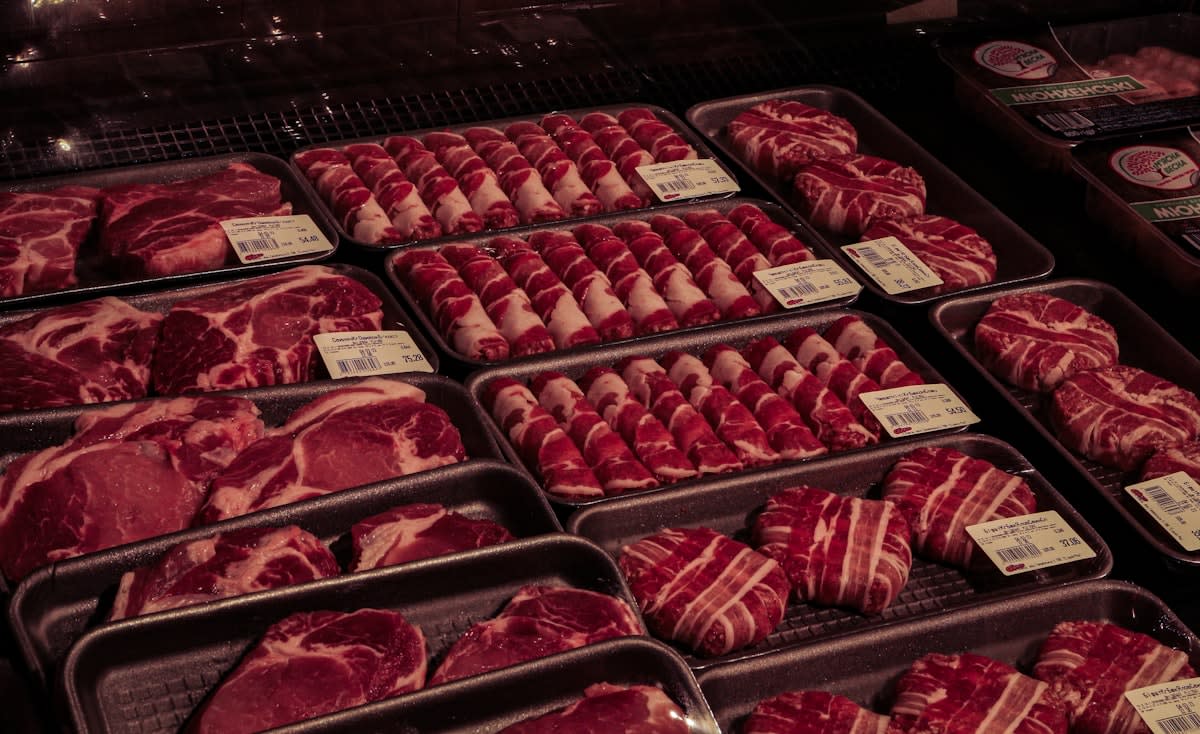
While the idea of insect-based protein still faces cultural hurdles, the industrial infrastructure to produce them at a massive scale is already operational. Look at the strategic partnership between the USDA and Mexico. To combat the New World screwworm, a new sterile fly production facility has opened in Matapa, Mexico. This plant is projected to produce 30 million sterile flies weekly by mid-July 2026. When combined with the existing Pacora facility in Panama, which pumps out 100 million flies per week, the world now possesses the capability to manage and produce over 130 million insects weekly in a controlled environment. This is the blueprint for the protein pivot.
The jump from producing sterile flies for pest control to producing insects for protein is a matter of application, not capacity. The Matapa facility proves that we can scale insect rearing to an industrial level with precision and speed. If the global agricultural sector can mobilize this level of production to defend livestock from parasites, the same logic can be applied to creating a circular feed system. By replacing soy—a crop often tied to deforestation and volatile pricing—with insect protein grown on organic waste, farms can insulate themselves from the same price shocks currently hitting the US grocery market.
"The facility represents a critical expansion of North America's defense against the livestock pest."— Agriculture Secretary Brooke Rawlins
However, the insect world is a double-edged sword. While we scale the 'useful' insects, we are simultaneously battling invasive ones. In Britain, the holm oak is currently under threat from a new scale insect, highlighting the fragility of traditional landscapes. The contrast is stark: while nature struggles with invasive pests that destroy valuable timber, human innovation is mastering the art of the controlled insect environment. The ability to isolate, breed, and scale specific species is the most powerful tool in the modern farmer's arsenal.
The Resource Efficiency Blueprint
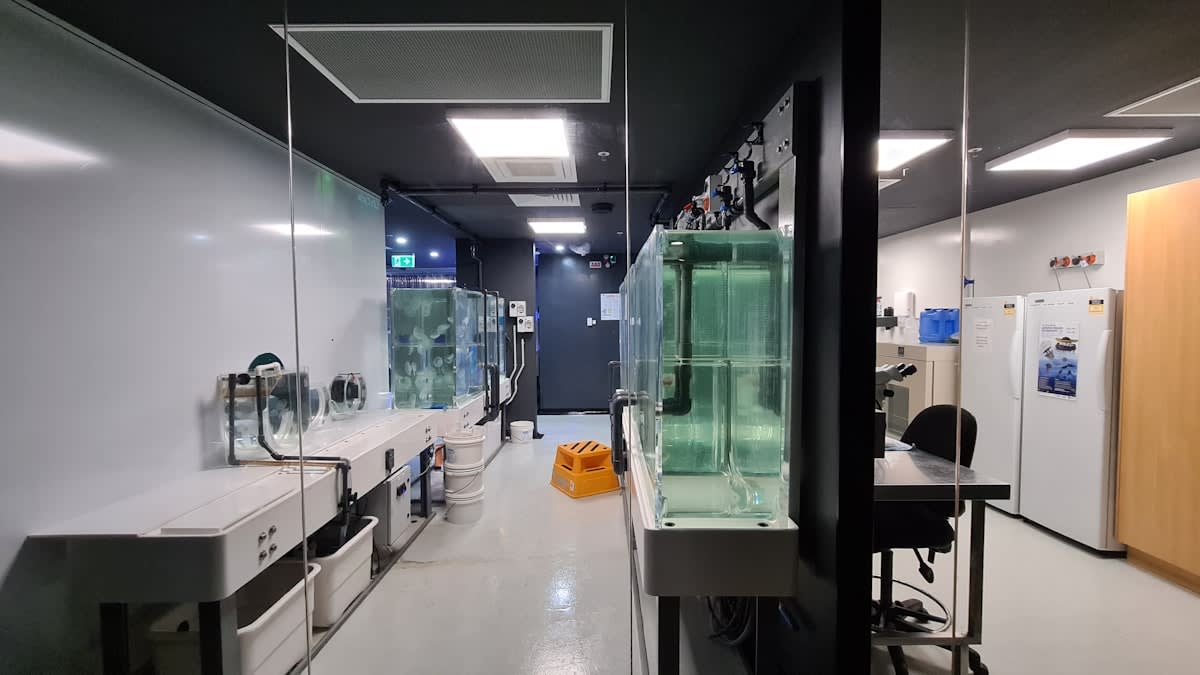
Circular protein doesn't exist in a vacuum; it is part of a broader shift toward Controlled Environment Agriculture (CEA). In Europe, the push for sustainable food strategies has prioritized greenhouses, vertical farms, and plant factories. These systems do more than just grow lettuce; they regulate temperature, humidity, and carbon dioxide to maximize output. The efficiency gains are staggering, with the European Environment Agency noting that these systems can reduce water consumption by up to 90% compared to traditional open-field farming. This is a critical delta when considering the environmental cost of soy production.
Integrating insect protein into these CEA systems creates a closed-loop ecosystem. Imagine a vertical farm where crop residues are fed to insect colonies, which in turn provide high-protein feed for aquaculture or livestock, all while using a fraction of the water required by traditional agriculture. This isn't a futuristic fantasy; it's the logical conclusion of the current trends in European agricultural policy. By reducing the environmental footprint while meeting the needs of a growing urban population, CEA is providing the physical space and the efficiency metrics to make the waste-to-protein pivot viable.
| Metric | Traditional Open-Field | Controlled Environment (CEA) |
|---|---|---|
| Water Consumption | 100% (Baseline) | 10% (90% Reduction) |
| Environmental Control | Weather Dependent | Fully Regulated |
| Land Requirement | High | Low (Vertical) |
The Southern Hemisphere Pivot
The transition is equally evident in South Africa, where the agricultural economy is diversifying its approach to protein. The introduction of the Fusion Meat programme is a prime example of this evolution, promising to boost profits for red meat farmers by integrating new protein technologies. This suggests a future where traditional livestock farming and innovative protein production coexist, rather than compete. Instead of a total replacement, we are seeing a hybrid model where 'fusion' techniques enhance the profitability and sustainability of existing farms.
Simultaneously, the South African government is doubling down on traditional foundations, providing R80 million in support to emerging grain and oilseed farmers in the Eastern Cape. While this looks like a commitment to the status quo, it actually provides the necessary stability for farmers to experiment with circularity. When the basic grain supply is secured, farmers have the financial breathing room to integrate insect-based feed systems that reduce their reliance on expensive, imported soy. The goal is resilience: a diversified protein portfolio that can withstand both climate shocks and market volatility.
Strategic Integration
The Fusion Meat program in South Africa demonstrates that the pivot to alternative proteins isn't about erasing the cattle rancher, but about upgrading the rancher's profit margins through technological integration.
This global mosaic—from the fly factories of Mexico to the vertical farms of Europe and the fusion programs of South Africa—reveals a singular truth: the linear 'soy-to-livestock' model is too fragile for the 2026 economy. The delta between 2019 and today is defined by a 79% increase in beef costs and a 90% decrease in water use for CEA. The world isn't just switching proteins; it is switching operating systems.
The Protein Cost Delta (2019 vs 2026)
Executive Insight
+18.4%
YTD Growth