Iran keeps door open to talks as Trump rejects Hormuz proposal
Source Entity
SUBHADRA SRIVASTAVA
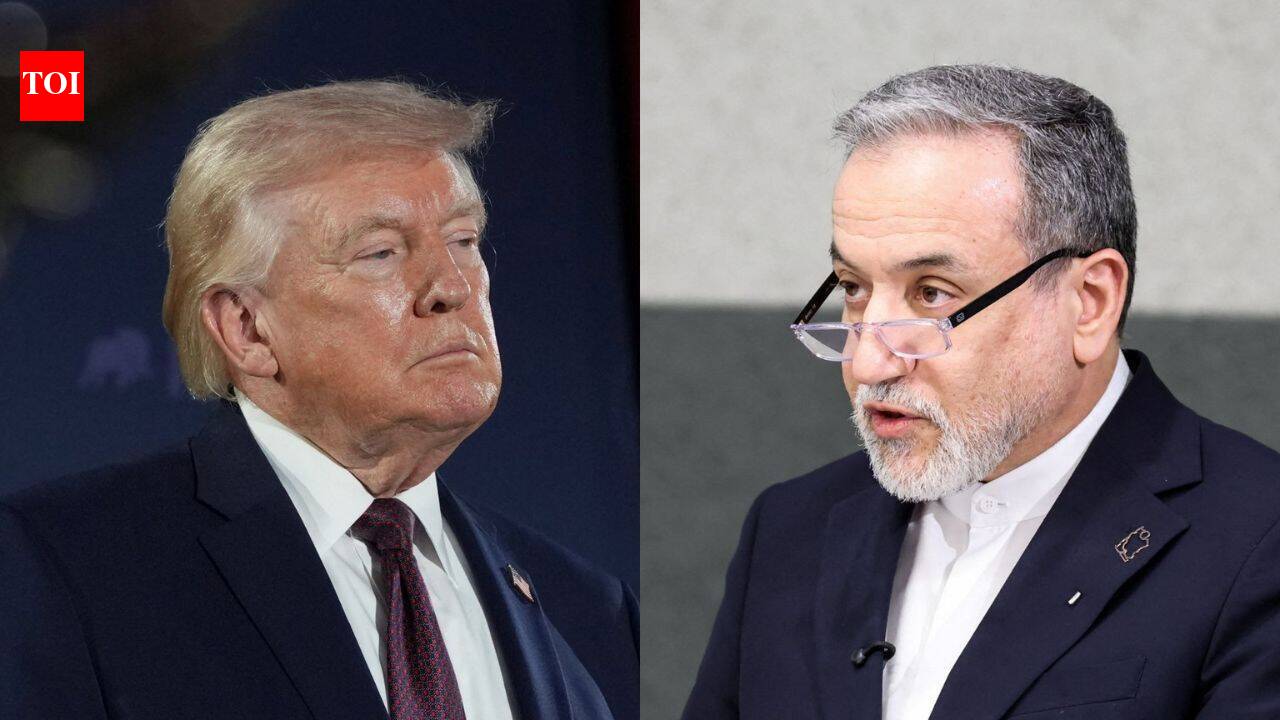
Iran has proposed a seven-day plan to reopen the Strait of Hormuz in exchange for the lifting of US sanctions and a ceasefire. However, President Donald Trump has rejected the offer, signaling a continuation of military pressure.
The Strait of Hormuz Standoff: A Fragile Diplomatic Opening
Recent reports indicate a significant, albeit volatile, development in the ongoing tensions between the United States and Iran. Iranian Foreign Minister Abbas Araghchi has formally proposed a seven-day framework aimed at reopening the strategic Strait of Hormuz. This proposal, which seeks to link maritime security with broader geopolitical concessions, highlights the Strait's role as a critical bargaining chip in a region currently defined by naval blockades and active conflict.
The Terms of the Proposed Arrangement
The Iranian proposal is contingent upon several high-stakes demands, including the lifting of the US naval blockade on Iranian ports, the waiver of sanctions on Iranian oil exports, and a comprehensive ceasefire encompassing Lebanon. Araghchi noted that these conditions mirror the spirit of a June memorandum of understanding that previously attempted to stabilize the region. By tying the reopening of this vital global oil transit artery to these specific economic and military concessions, Tehran is attempting to leverage its geographic position to force a shift in US policy.
The US Response and Political Calculus
Despite the diplomatic overtures, the United States has maintained a hardline stance. President Donald Trump has explicitly rejected the seven-day ceasefire offer, insisting that Iran must first abandon its nuclear ambitions. Reports suggest that the administration is not only prioritizing these non-proliferation goals but is also preparing for a continuation of military operations, with expectations that bombing campaigns may resume following the upcoming US midterm elections.
Regional Complications and Internal Pressures
The complexity of this proposal is compounded by external factors, most notably the ongoing conflict in Yemen, which serves as a significant obstacle to any lasting maritime agreement. Furthermore, Iran itself is reportedly grappling with internal divisions regarding the efficacy of this diplomatic path. The involvement of Qatar as a mediator underscores the regional anxiety surrounding these escalations, as neighboring states fear the economic and security fallout of a prolonged closure of the Strait of Hormuz.
Historical Context and Future Implications
The current cycle of violence, marked by reciprocal air strikes between the US, Israel, and Iran, has created an environment where trust is virtually non-existent. The failure of previous agreements, such as the June MOU, serves as a cautionary tale for current mediation efforts. As the US continues to prioritize military pressure over the current Iranian offer, the region faces a period of heightened uncertainty. Future trends suggest that unless a breakthrough is achieved through back-channel communications—which are reportedly ongoing—the Strait of Hormuz will remain a flashpoint for potential global economic disruption.
Multiple Citing Sources