Russia sanctions act: ‘Taken note of India’s warning that new US tariffs could impact ties’
Source Entity
Latest News: Todays Latest News Headlines from India & World | Hindustan Times | Hindustan Times
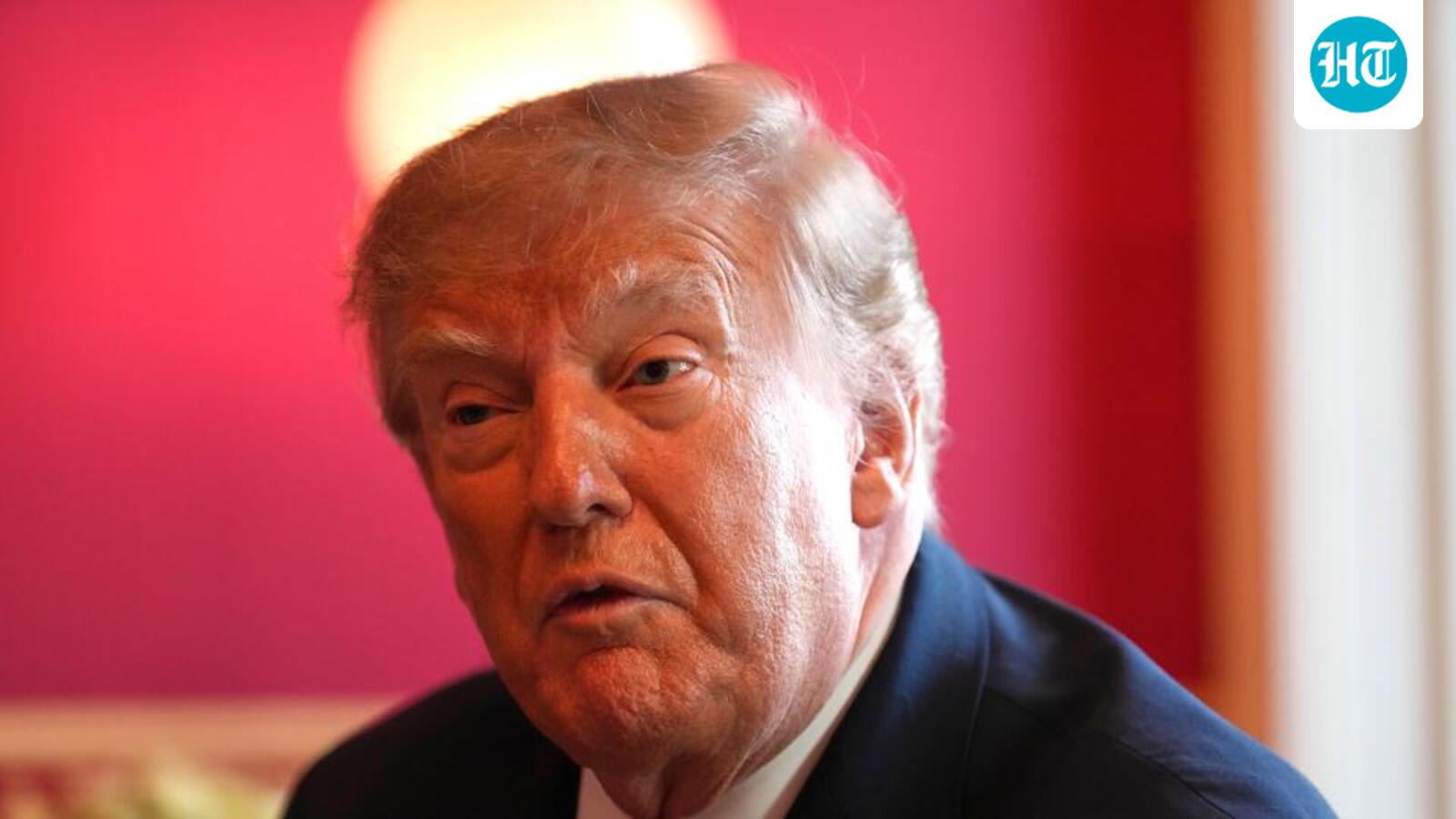
The US has acknowledged India's concerns regarding potential tariffs under the Russia sanctions act. While the legislation allows for significant penalties on energy purchasers, officials noted the existence of a national security waiver to manage diplomatic relations.
The Geopolitical Tension of Energy Sanctions
The recent discourse surrounding the 'Sanctioning Russia and Iran Act' has brought the complex intersection of global energy markets and international diplomacy to the forefront. At the heart of this issue is the potential for the United States to impose tariffs as high as 100% on the top five purchasers of Russian energy. Given India’s strategic energy requirements and its long-standing trade relationship with Russia, the country finds itself squarely in the crosshairs of this legislative development.
Understanding the Legislative Framework
The legislation in question provides the US administration with a significant toolset for exerting economic pressure. However, it is not an automatic mechanism for punishment; the act includes a 'broad national security waiver' granted to the President. This provision is critical, as it allows for diplomatic flexibility, ensuring that the pursuit of foreign policy goals—such as sanctioning Russia—does not inadvertently collapse vital strategic partnerships, particularly with key allies like India.
The US-India Diplomatic Balancing Act
US officials have explicitly acknowledged that they have 'taken note' of India’s warnings regarding the potential for these tariffs to damage the bilateral relationship. This admission underscores a mutual understanding that both nations must balance their domestic political constituencies with their international obligations. The US State Department’s recognition of India’s need to respond publicly highlights the nuanced diplomatic dance required to maintain the US-India strategic partnership amidst pressure from the US Congress.
Implications for Global Energy Markets
If implemented without the use of the national security waiver, these tariffs could drastically alter global energy flow. By targeting the top five purchasers of Russian energy, the act essentially forces these nations to choose between continued access to Russian resources and maintaining favorable trade terms with the United States. This creates a volatile environment for energy security, forcing nations to navigate a path that avoids economic isolation while adhering to global sanction regimes.
Future Trends and Strategic Outlook
The future of this situation rests heavily on how the executive branch utilizes the provided waiver. If the administration prioritizes the 'national security' aspect of the waiver, it is likely that the most punitive measures will be mitigated to preserve the integrity of the US-India relationship. Moving forward, observers should monitor how both governments manage their internal political pressures while seeking to prevent these trade-related tensions from escalating into a broader geopolitical rift.
Verification Required?