‘Durable peace requires 2-state solution’: India at UN on Israel-Palestine
Source Entity
Latest News: Todays Latest News Headlines from India & World | Hindustan Times | Hindustan Times
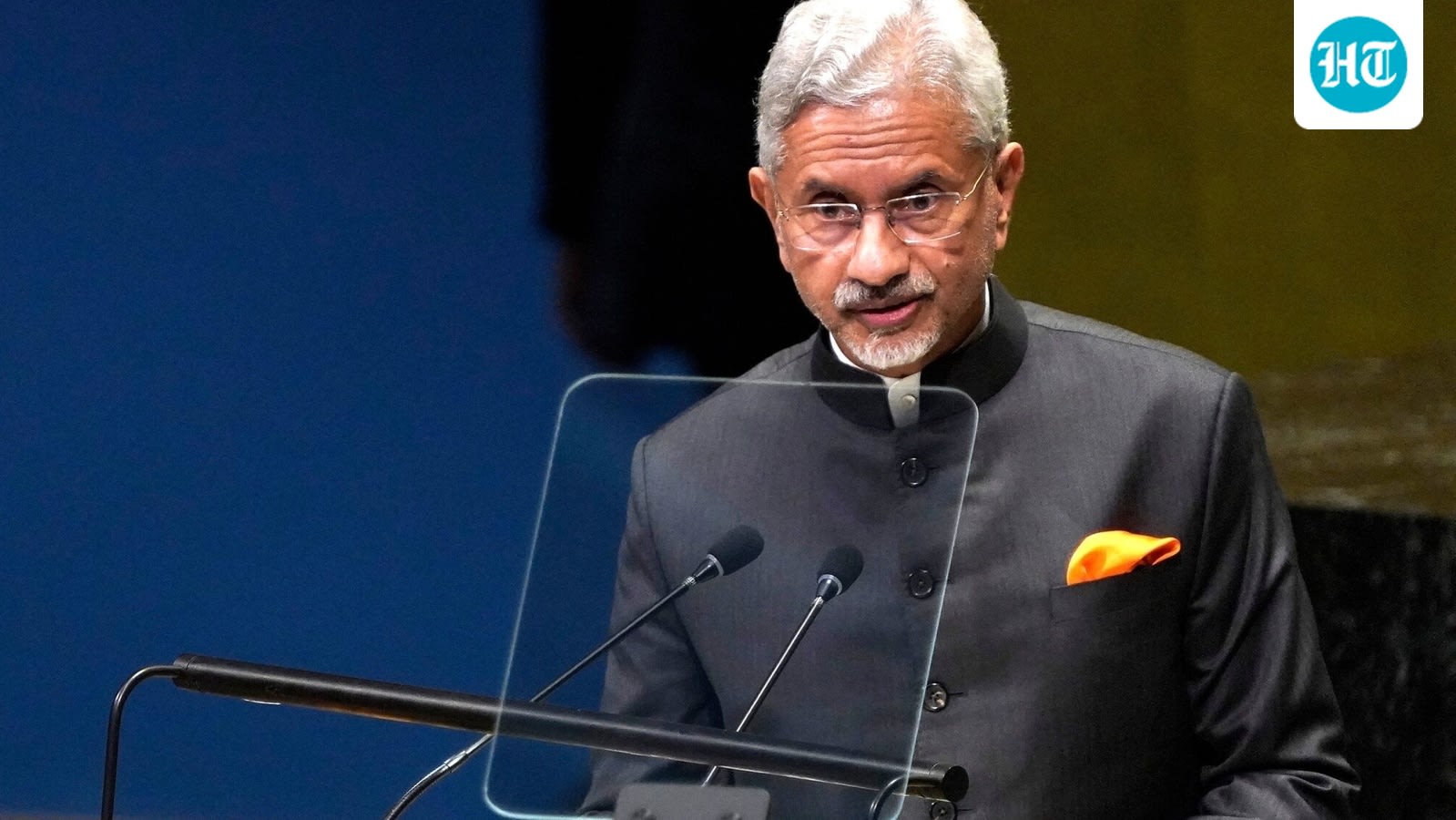
External Affairs Minister S. Jaishankar has reaffirmed India's commitment to a two-state solution for the Israel-Palestine conflict. India continues to emphasize humanitarian aid as a vital component of its foreign policy to support the Palestinian people during this crisis.
India’s Strategic Stance on the Israel-Palestine Conflict
At the recent United Nations General Assembly, External Affairs Minister S. Jaishankar delivered a clear message regarding India’s position on the ongoing Israel-Palestine conflict. By explicitly stating that a “durable and lasting peace requires a two-state solution,” India has reinforced its long-standing diplomatic alignment with the international consensus that envisions the coexistence of independent Israeli and Palestinian states.
The Necessity of the Two-State Framework
India’s emphasis on the two-state solution is not merely a diplomatic platitude but a reflection of its broader commitment to regional stability in West Asia. The two-state model remains the most widely recognized framework for addressing the deep-seated grievances of both parties. By advocating for this, India positions itself as a balanced actor that recognizes the security imperatives of Israel while simultaneously acknowledging the legitimate aspirations of the Palestinian people for statehood and self-determination.
The Role of Humanitarian Assistance
Beyond high-level political rhetoric, India has actively engaged in the conflict’s aftermath through tangible humanitarian support. Minister Jaishankar noted that India is contributing to relief efforts, which underscores the nation’s belief that immediate humanitarian needs must be addressed to prevent further suffering. This approach highlights India’s ‘human-centric’ foreign policy, where supporting vulnerable populations is seen as a prerequisite for fostering the stability needed for future political negotiations.
Balancing Regional Geopolitics
India’s diplomatic maneuverability is characterized by its ability to maintain robust strategic partnerships with both Israel and various nations across the Arab world. By championing the two-state solution, New Delhi balances its historical support for the Palestinian cause with its modern, multifaceted relationship with Israel. This delicate balancing act is central to India's identity as a 'Vishwa Mitra' (friend to the world), capable of engaging with all sides of a complex geopolitical divide.
Future Implications and Regional Stability
Looking ahead, India’s consistent messaging at the UN suggests that it will continue to advocate for de-escalation and dialogue. The insistence on a 'durable' peace implies that India views military solutions as insufficient and temporary. As the conflict remains a flashpoint for regional instability, India’s role as a potential interlocutor or a voice for moderation becomes increasingly significant within the multilateral architecture of the United Nations.
Conclusion: A Consistent Diplomatic Path
In summary, India’s stance remains anchored in the principle of sovereignty and peaceful coexistence. By linking the necessity of a two-state solution with the urgent need for humanitarian aid, India provides a comprehensive perspective on the crisis. This dual approach ensures that India remains a relevant and respected voice in international forums, advocating for a resolution that addresses both the immediate humanitarian catastrophe and the long-term structural requirements for peace in the Middle East.
Verification Required?