US can no longer ignore China’s rise
Source Entity
Latest News: Todays Latest News Headlines from India & World | Hindustan Times | Hindustan Times
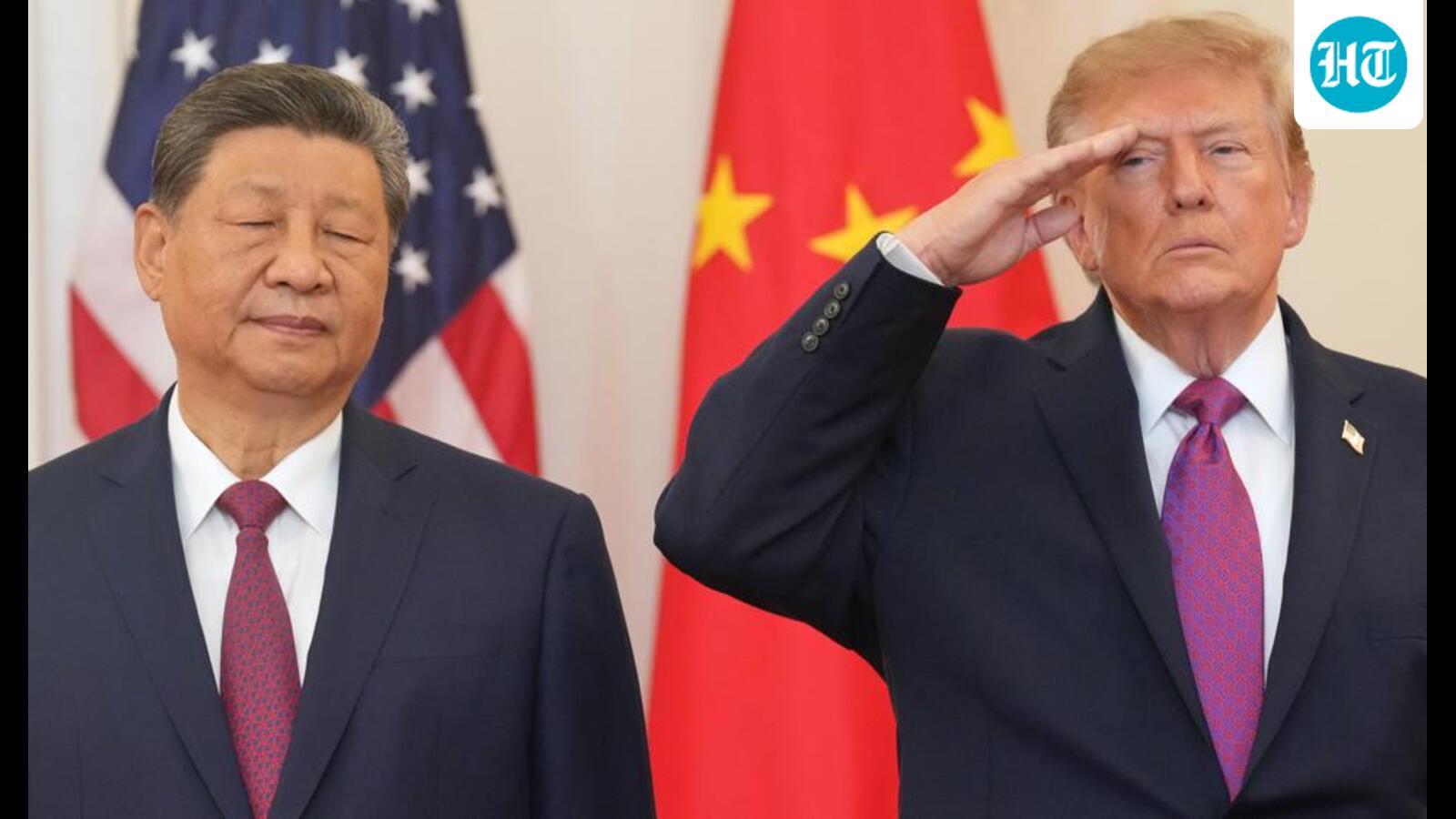
US-China relations show signs of cautious optimism as trade orders rebound and leaders meet to discuss critical AI safety. The summit featured high-profile diplomatic gestures and discussions between top tech executives and heads of state.
A New Chapter in US-China Diplomacy
The recent high-stakes summit between U.S. President Donald Trump and Chinese President Xi Jinping marks a pivotal moment in the bilateral relationship between the world's two largest economies. Beyond the formal diplomatic proceedings, the event was characterized by a concerted effort to stabilize trade relations and address the burgeoning existential risks posed by artificial intelligence. The presence of industry titans at the state dinner signals that the future of this geopolitical relationship is inextricably linked to technological governance.
Trade Rebound and Economic Positioning
Economic indicators suggest that the private sector is proactively preparing for a period of improved stability. Data from the China Beige Book, which surveyed 1,296 Chinese firms, revealed a "surprise" jump in U.S. orders for Chinese goods throughout September. This uptick in shipments, both on a yearly and monthly basis, is attributed to a perceived improvement in China's relative tariff position. Businesses appear to be hedging against volatility, securing supply chains in anticipation of a more predictable trade environment between Washington and Beijing.
The Symbolism of State Diplomacy
Amidst the complex negotiations, traditional statecraft remained a central theme. President Trump’s decision to present President Xi with a bald eagle sculpture serves as a potent symbol of American identity. By describing the gift as an embodiment of the "free and soaring spirit of America," the administration utilized soft power to define the terms of the discourse. This gesture, set against the backdrop of a prestigious Washington dinner, reflects a classic diplomatic ritual intended to establish a tone of mutual respect and national pride.
AI Governance at the Forefront
Perhaps the most significant aspect of the summit was the inclusion of major technology leaders in the dialogue. The guest list included CEOs from Nvidia, SpaceX, AMD, Apple, OpenAI, and Microsoft, alongside Google co-founder Sergey Brin. With existential concerns regarding AI safety reaching a fever pitch globally, the presence of these figures suggests that the U.S. and China are moving toward a framework for technological cooperation. Bringing private sector experts into the room with heads of state underscores the urgency of establishing international norms for emerging technologies.
Historical Context and Future Trends
Historically, U.S.-China summits have often been defined by friction over trade deficits and intellectual property. However, this summit represents a shift toward a collaborative model, driven by the dual pressures of economic necessity and the shared risk of unconstrained AI development. If the current trend of increased trade orders and high-level dialogue continues, the coming years may see a more integrated approach to managing the risks of the digital age. The focus on "stability" suggests a move away from the aggressive decoupling of previous years toward a more managed, albeit competitive, coexistence.
Conclusion
The convergence of trade growth and high-level technological diplomacy highlights a strategic pivot in the U.S.-China relationship. While challenges remain, the combination of increased corporate engagement and direct dialogue on AI safety provides a foundation for potential long-term stability. As both nations navigate these complex waters, the success of this summit will likely be measured by whether these initial diplomatic gestures translate into concrete, lasting policy frameworks.
Multiple Citing Sources
Verification Required?