As Merz scrambles for support, Germany's identity crisis is laid bare
Source Entity
BBC News
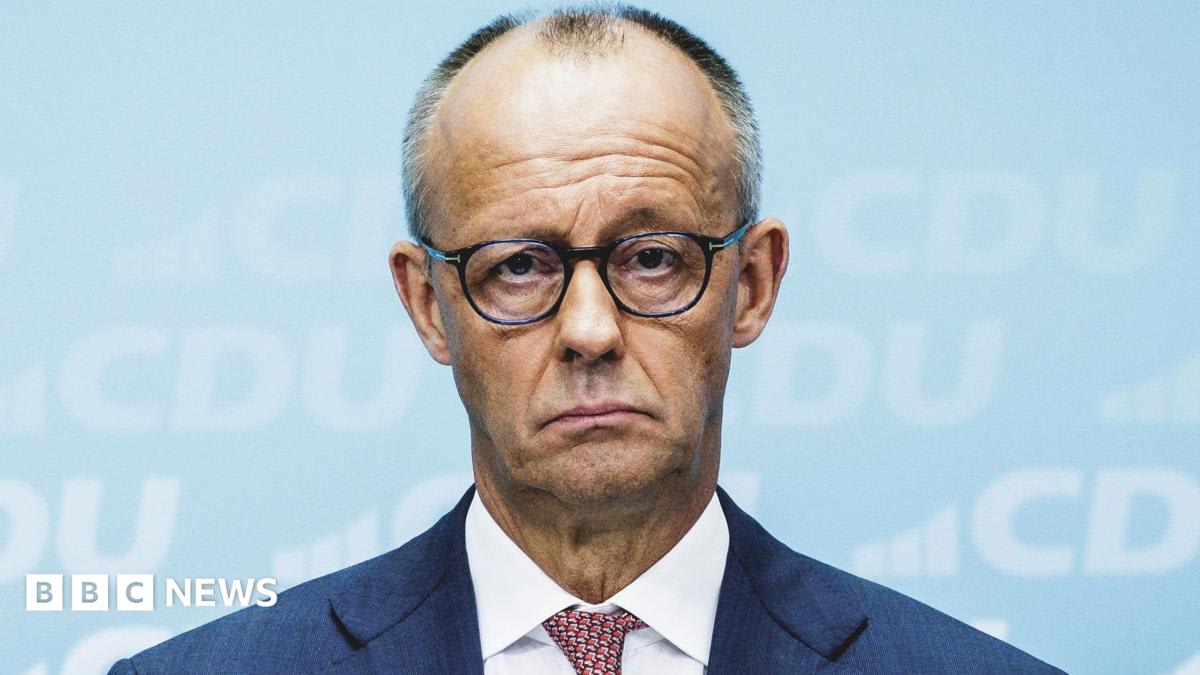
Germany faces a significant political shift as voters abandon centrist parties amid growing economic and migration concerns. The traditional consensus-driven model is fracturing, leaving the current coalition government in a precarious state of instability.
The Fracturing of the German Consensus
Germany, long regarded as the bedrock of European stability, is currently navigating a profound identity crisis that has dismantled the traditional facade of consensus-driven politics. Recent bumper local elections have acted as a catalyst, throwing the federal government off balance and exposing deep-seated anxieties among the electorate. As voters increasingly turn away from the political center, the nation finds itself in a state of flux, struggling to reconcile its historical image with a modern reality defined by uncertainty.
Economic and Infrastructural Decline
Central to this shift is the erosion of Germany’s reputation as a powerhouse economy. The nation’s identity, once anchored in the precision of its automotive industry and the efficiency of its public services, is under pressure. The reality that the country's legendary train network no longer operates with reliable punctuality serves as a tangible symbol of a broader decline. This perceived loss of efficiency has contributed to a public sentiment that the nation is drifting away from the core values that once defined its global standing.
The Crisis of Leadership
Chancellor Friedrich Merz now finds himself in a position of extreme vulnerability, with his coalition government facing a crisis of legitimacy. The challenges he faces are not merely isolated political hurdles but are symptomatic of a broader breakdown in the governing style that has defined Germany for decades. As Merz scrambles for support, the inability of the current administration to address the mounting fears surrounding the economy and migration has left the government appearing reactive rather than visionary.
Migration and Social Tension
The discourse surrounding migration has become a primary driver of the current political alienation. Many citizens feel that the traditional political class has failed to address the societal implications of migration effectively, leading to a surge in support for fringe parties that challenge the status quo. This tension highlights a disconnect between the political establishment and the lived experiences of the population, who are increasingly seeking alternatives that promise to restore a sense of order and national identity.
Broader Implications and Future Trends
Looking ahead, Germany’s political landscape is unlikely to return to the predictable, centrist patterns of the past. The current instability suggests that future elections will continue to be contested on the grounds of identity and economic anxiety. As the nation grapples with these unresolved realities, the long-term trend points toward a more polarized parliamentary environment, making the formation of stable coalition governments increasingly difficult and potentially leaving the country in a state of perpetual political negotiation.
Conclusion
The current crisis in Germany is a transformative moment that challenges the nation to redefine its place in a changing world. By moving away from the consensus-driven politics of the past, the country is forced to confront its economic and social shortcomings directly. Whether the leadership can successfully navigate this period of instability will depend on its ability to address the existential concerns of its citizens, who are no longer content with the political status quo.