Pakistani cleric honoured by Archbishop linked to blasphemy ‘blackmail’ gang
Source Entity
The Indian Express
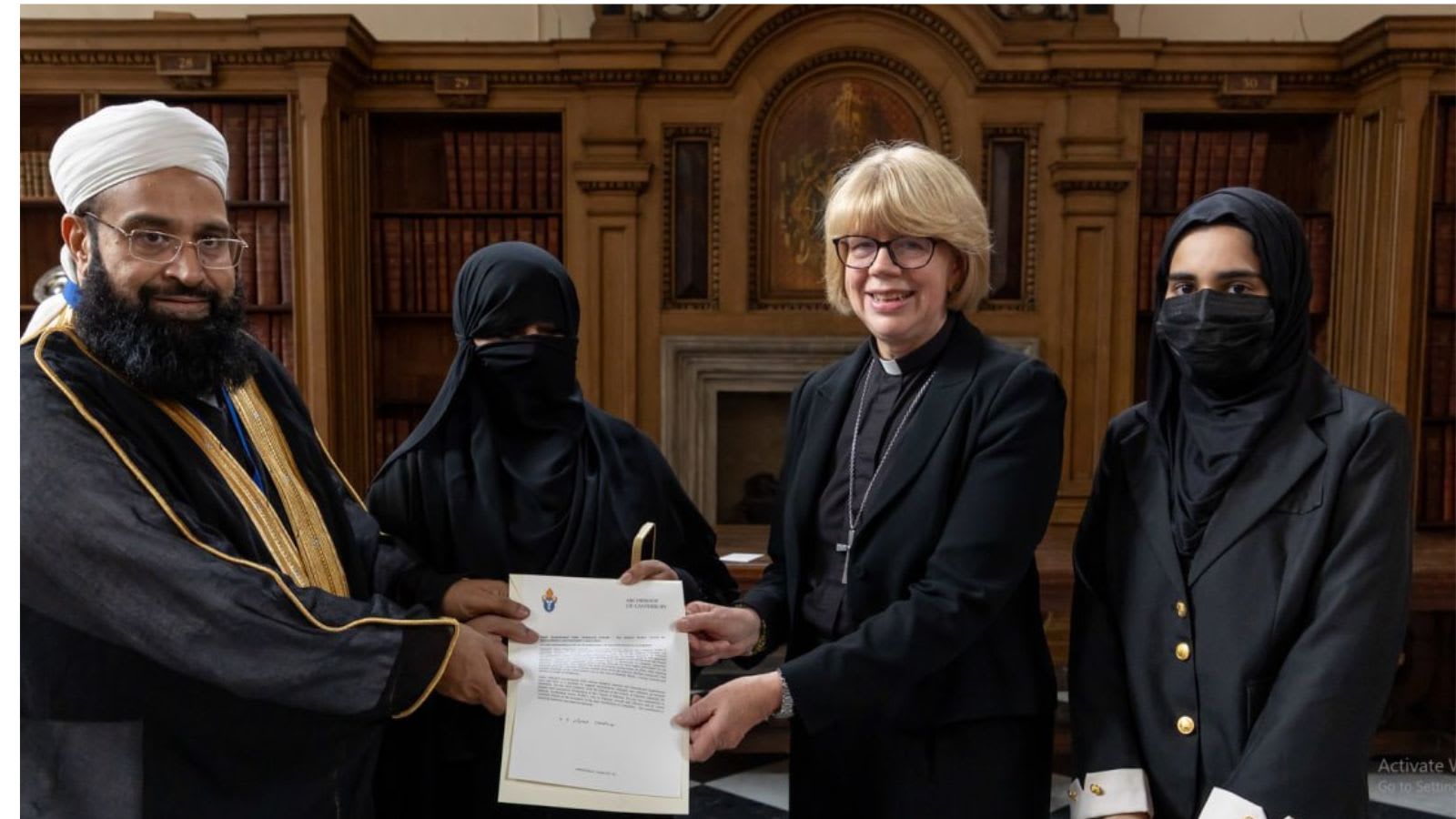
Tahir Ashrafi, a Pakistani cleric and interfaith envoy, has had his Archbishop of Canterbury award rescinded following revelations of his past praise for Osama bin Laden. Further investigations have linked his brother to a criminal network allegedly using blasphemy accusations for extortion and violence.
The Controversy Surrounding Tahir Ashrafi's Award
The recent decision by the Church of England to rescind the Hubert Walter Award, previously granted to Pakistani cleric Tahir Ashrafi, represents a significant diplomatic and reputational crisis for the Archbishop of Canterbury’s office. Ashrafi, who serves as Pakistan’s special envoy on interfaith harmony, was initially recognized for his purported commitment to religious tolerance. However, the ceremony, which took place on the anniversary of the September 11 attacks, has become a focal point of intense scrutiny following revelations regarding his history and personal associations.
The Failure of Due Diligence
The core of this controversy lies in the apparent failure of institutional due diligence. By awarding a figure who has publicly honored Osama bin Laden—the architect of the 9/11 attacks—the Church of England has drawn sharp criticism for its lack of historical vetting. This oversight underscores the dangers inherent in interfaith outreach programs when they fail to account for the complex geopolitical and ideological histories of the figures involved. The subsequent withdrawal of the award serves as an admission of this institutional error, yet it raises questions about how such a high-profile recognition was permitted to proceed.
Blasphemy Laws and Extortion Networks
Beyond the cleric’s personal history, the investigation by The Telegraph has unearthed disturbing allegations linking Ashrafi’s brother, Hassan Muawiya Ashrafi, to a criminal enterprise centered on the exploitation of Pakistan's blasphemy laws. These laws have long been criticized by international human rights organizations for their potential to be weaponized against vulnerable individuals. The report alleges that this gang engages in the systematic abduction, torture, and blackmail of dozens of men, using the threat of blasphemy charges to extort victims and their families.
Broader Implications for Interfaith Diplomacy
The intersection of state-level interfaith advocacy and criminal activity creates a precarious environment for international relations. When an official envoy is associated with an alleged 'blackmail' gang, it delegitimizes the very concept of interfaith harmony initiatives. This case highlights how religious rhetoric can be manipulated to mask predatory behavior, complicating the efforts of genuine advocates who seek to bridge divides between religious communities in Pakistan and abroad.
Conclusion and Future Outlook
This incident serves as a stark reminder of the necessity for rigorous vetting in international diplomatic and religious awards. As the investigation into the activities of the Ashrafi family continues, the fallout will likely force religious institutions to re-evaluate their criteria for 'tolerance' and 'harmony' awards. Moving forward, stakeholders must prioritize transparency and human rights records over surface-level participation in interfaith dialogues to prevent the legitimization of figures who may undermine the very values these awards are intended to promote.