Israel’s F-35 nightmare: Iran could ground Bibi’s advanced fighter jet without using an airstrike?
Source Entity
Latest News: Todays Latest News Headlines from India & World | Hindustan Times | Hindustan Times
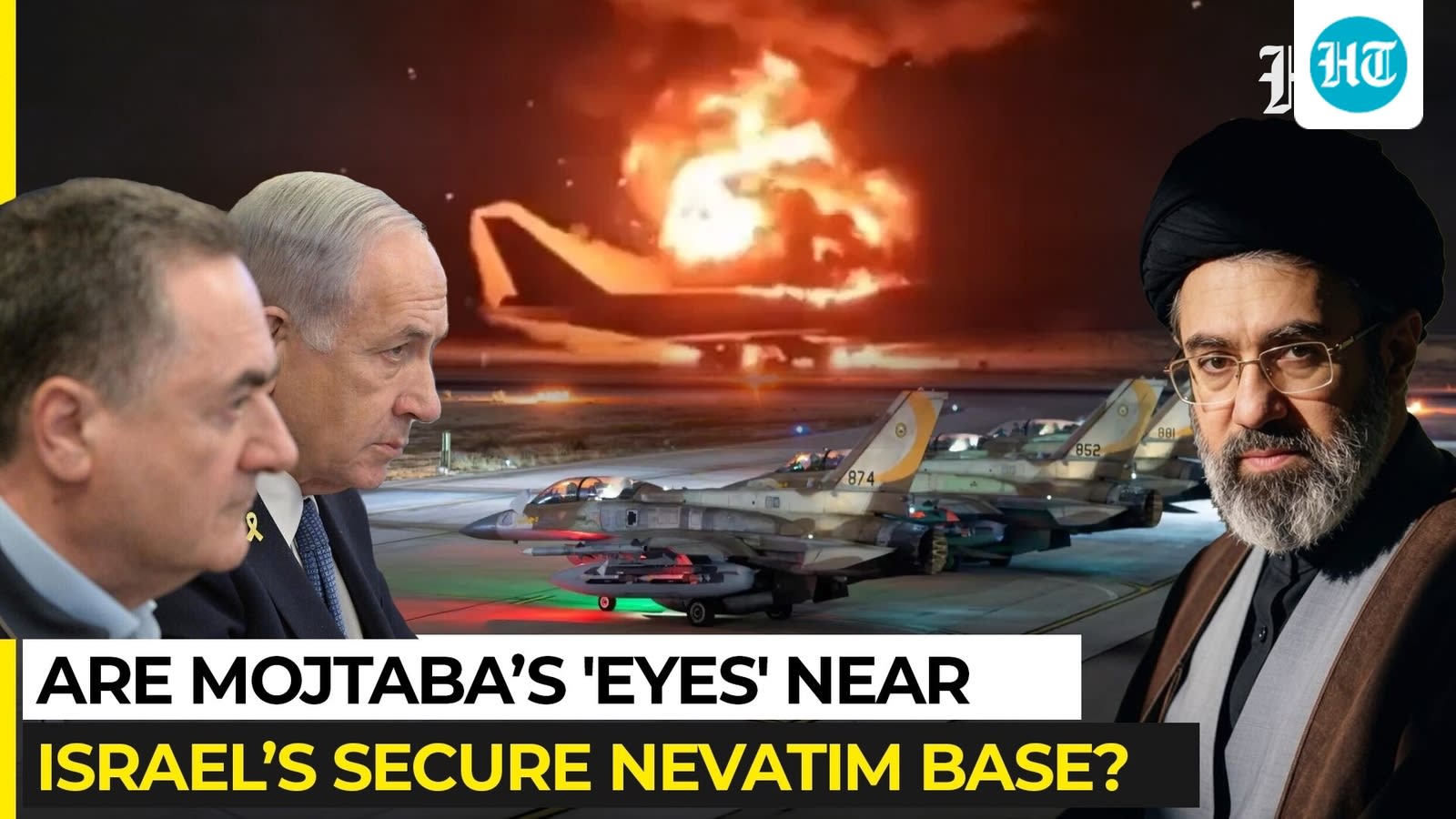
A recent assessment suggests Iran could potentially disable Israel's F-35 operations by exploiting domestic security vulnerabilities near Nevatim Air Base. Rather than a direct airstrike, the threat involves using regional unrest and armed cells to obstruct base access during wartime.
The Asymmetric Threat to Israel’s Air Superiority
Recent reports from Israel Hayom have brought to light a sobering strategic assessment regarding the vulnerability of the Israeli Air Force's most advanced asset: the F-35 Adir fleet. While conventional military doctrine focuses on the threat of direct missile or drone strikes against the Nevatim Air Base, this new analysis highlights a far more insidious danger. The concern is that Iran may not need to destroy the facility itself to render it ineffective; instead, they could capitalize on domestic instability to create a logistical blockade that prevents personnel from reaching their posts.
The Vulnerability of the Negev Logistics
The geography of the Negev desert, where Nevatim is located, presents unique security challenges that extend beyond traditional military defense. The assessment details a scenario where wartime unrest, including the presence of illegal weapons and armed cells in the region, could be leveraged to paralyze base operations. If road networks become impassable due to civil unrest or targeted disruption, the sophisticated F-35s would essentially be grounded, as the specialized support crews and pilots necessary for flight operations would be unable to arrive at the tarmac.
Historical Precedents and Intelligence Risks
This nightmare scenario is not entirely theoretical, as the report points to historical incidents of gunfire and drone penetrations at the base perimeter. These events demonstrate that Nevatim is already subject to localized security breaches. Furthermore, the mention of an alleged Iranian spy tasked with monitoring fighter takeoffs underscores a persistent, high-level intelligence effort by Tehran to understand the operational rhythms of the Israeli Air Force. By mapping these patterns, Iran could theoretically time its disruptive efforts to coincide with critical mobilization phases.
The Doctrine of Exploitation vs. Control
It is critical to note that the assessment does not allege that Iran currently exerts direct control over the illegal weapons or criminal elements within the Negev. Rather, it poses a strategic question regarding Tehran’s capability to exploit pre-existing internal vulnerabilities. In a wider regional conflict, Iran’s strategy could involve the amplification of existing domestic security issues—using proxy influence or psychological operations to turn internal regional friction into a strategic barrier for the Israeli military.
Broader Strategic Implications and Future Trends
This analysis forces a re-evaluation of what constitutes a 'threat' to advanced military hardware. Future conflicts may increasingly rely on 'denial of service' tactics that target the human and logistical links of a military chain rather than the hardware itself. If Israel cannot secure the transit routes to its primary air bases, the technological superiority of the F-35 becomes a secondary concern. Consequently, the defense of the Negev against non-state actors and internal security threats has now become as critical to national security as the defense against long-range ballistic missiles.
Conclusion
The potential for Iran to ground Israel’s F-35 fleet through indirect, localized disruption represents a significant shift in regional threat modeling. By focusing on the logistical fragility of Nevatim Air Base, the assessment highlights that advanced air power is only as effective as the ground-level security surrounding it. Moving forward, the integration of civil security and military logistical planning will likely become a cornerstone of Israel's defensive posture to ensure the continued readiness of its most vital aerial assets.
Verification Required?