'Hypocritical homilies about democratic rights': India flays Pakistan at UN
Source Entity
AADRITA HALDER
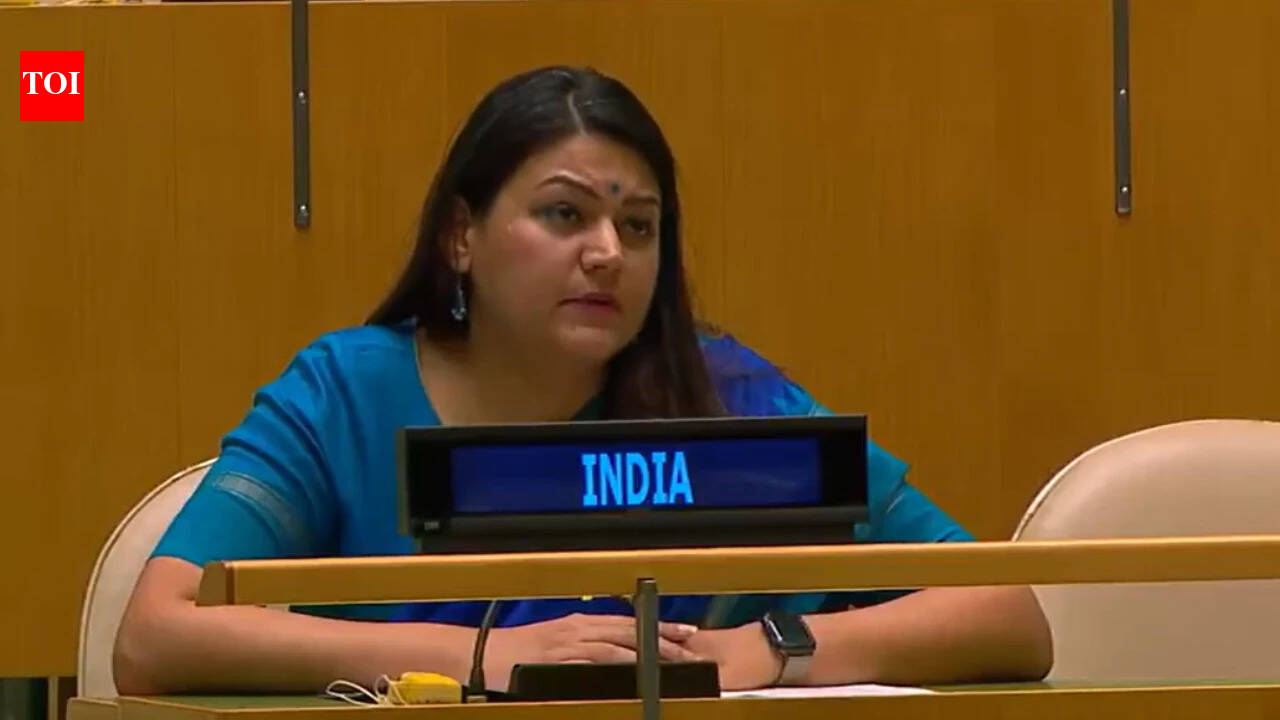
India has strongly criticized Pakistan at the United Nations, labeling their remarks on democratic rights as hypocritical. This diplomatic standoff highlights the ongoing tensions between the two nations regarding human rights narratives.
Diplomatic Tensions at the United Nations
India has recently launched a sharp diplomatic rebuke against Pakistan at the United Nations, characterizing the latter's commentary on democratic rights as "hypocritical homilies." This exchange represents a recurring pattern in the bilateral relationship between the two South Asian neighbors, where international forums are frequently utilized as platforms to contest narratives regarding domestic governance and human rights standards.
The Nature of the Dispute
The core of this confrontation lies in the starkly different perspectives India and Pakistan hold regarding their respective democratic frameworks. By labeling Pakistan's statements as "hypocritical," India is signaling that it rejects the legitimacy of Pakistan's critique, likely pointing toward internal issues within Pakistan that India perceives as contradictory to the values Pakistan seeks to champion on the global stage. This rhetorical escalation is a standard, albeit intense, feature of their diplomatic engagement.
Historical Context of Indo-Pak Relations
Historically, the relationship between India and Pakistan has been defined by deep-seated distrust and territorial disputes. The utilization of international bodies like the UN to address human rights concerns is a well-established strategy for both nations. India often views Pakistan's rhetoric as an attempt to internationalize bilateral issues, while Pakistan maintains that its interventions are a matter of global human rights advocacy.
Implications for Global Diplomacy
Such public confrontations at the UN serve to solidify the rigid stances of both countries rather than fostering dialogue. For the international community, these exchanges underscore the difficulty of mediating long-standing regional conflicts. When one nation accuses another of hypocrisy, it serves to undermine the credibility of the platform itself, potentially leading to a stalemate in constructive multilateral discussions.
Analyzing the Rhetorical Strategy
The phrase "hypocritical homilies" indicates a shift toward more aggressive diplomatic language. This move is designed to diminish the perceived moral authority of the opposing party. By framing the critique as a "homily"—a lecture on moral conduct—India is positioning itself as a sovereign nation that rejects external moralizing, especially from a neighbor it deems complicit in the very failures it criticizes.
Future Trends and Outlook
Looking ahead, it is highly probable that these verbal skirmishes will continue as long as the underlying geopolitical tensions remain unresolved. Neither side appears willing to concede ground in the battle for international perception. Future interactions at the UN will likely remain characterized by similar defensive and offensive posturing, as both nations continue to prioritize the protection of their national narratives over collaborative regional diplomacy.