Trump rejects Iran's 7-day ceasefire offer, expects to resume bombing post midterms
Source Entity
AYUSH PANDEY
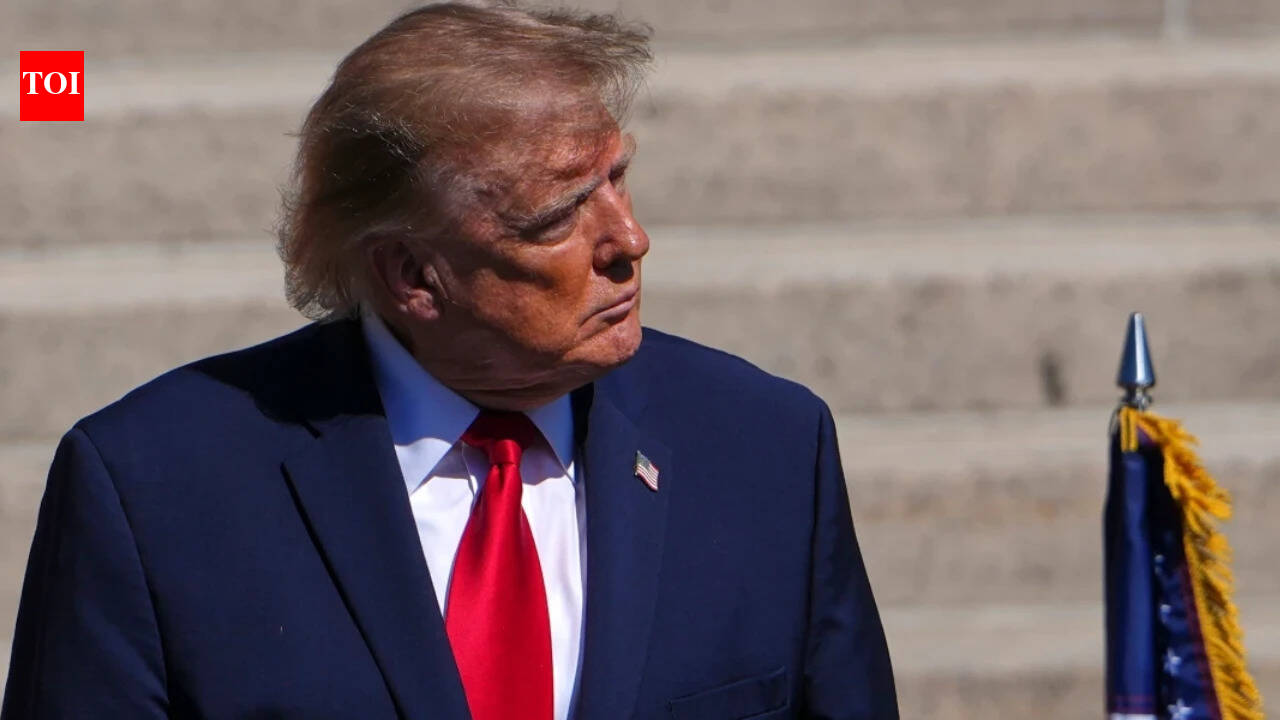
Iran has proposed a seven-day plan to reopen the Strait of Hormuz in exchange for sanctions relief and a ceasefire, but President Trump has rejected the offer. The administration intends to resume military operations against Iran following the November midterm elections.
The Strait of Hormuz Diplomacy: A Fragile Impasse
Recent developments have brought the volatile situation in the Persian Gulf to a critical juncture. Iranian Foreign Minister Abbas Araghchi has formally presented a seven-day proposal to the United States, facilitated by Qatari mediators, aimed at reopening the strategically vital Strait of Hormuz. The proposal, which seeks to link maritime stability with broader regional de-escalation, represents a significant, albeit unsuccessful, attempt by Tehran to leverage its control over this global energy chokepoint to force a shift in American policy.
The Mechanics of the Iranian Proposal
The core of Tehran’s offer is a quid-pro-quo arrangement: in exchange for the reopening of the Strait, the United States would be required to lift its naval blockade of Iranian ports, waive sanctions on Iranian oil exports, and commit to a regional ceasefire that includes Lebanon. By framing this as a seven-day countdown, Iran attempted to inject a sense of urgency into the diplomatic process, signaling that the economic and military volatility in the region is reversible if Washington is willing to concede on its current "maximum pressure" strategy.
Washington’s Rejection and Strategic Calculus
President Donald Trump has unequivocally rejected this overture. Reports indicate that the administration remains unmoved by the offer, maintaining that Iran must fundamentally abandon its nuclear ambitions as a prerequisite for any meaningful dialogue. Rather than pivoting toward diplomacy, the administration has signaled a continuation of its confrontational posture, with reports suggesting that US officials expect military operations—specifically the bombing of Iranian territory—to resume following the November midterm elections.
The Complexity of Regional Entanglements
Beyond the bilateral tensions between Washington and Tehran, the proposal is severely complicated by the ongoing conflict in Yemen and wider regional instability. The intersection of maritime security and ground-level combat in proxy theaters makes a simple "seven-day" fix appear increasingly unrealistic to Western observers. Furthermore, internal divisions within the Iranian political establishment regarding the efficacy of such a diplomatic gambit suggest that even if the US had accepted, the path to implementation would have been fraught with domestic opposition in Tehran.
Future Trends and Implications
The rejection of this proposal signals a deepening entrenchment in the US-Iran standoff. With the administration viewing the upcoming midterm elections as a threshold for future military action, the window for diplomatic resolution is rapidly closing. The Strait of Hormuz remains the primary bargaining tool for Iran, yet its utility is diminishing as the US prioritizes nuclear non-proliferation and regional military dominance over the immediate restoration of commercial maritime flow. As it stands, the diplomatic path has been discarded, pointing toward an intensification of hostilities in the coming months.
Multiple Citing Sources