Unabomber motive: Why did Ted Kaczynski kill people? What his manifesto revealed
Source Entity
Latest News: Todays Latest News Headlines from India & World | Hindustan Times | Hindustan Times
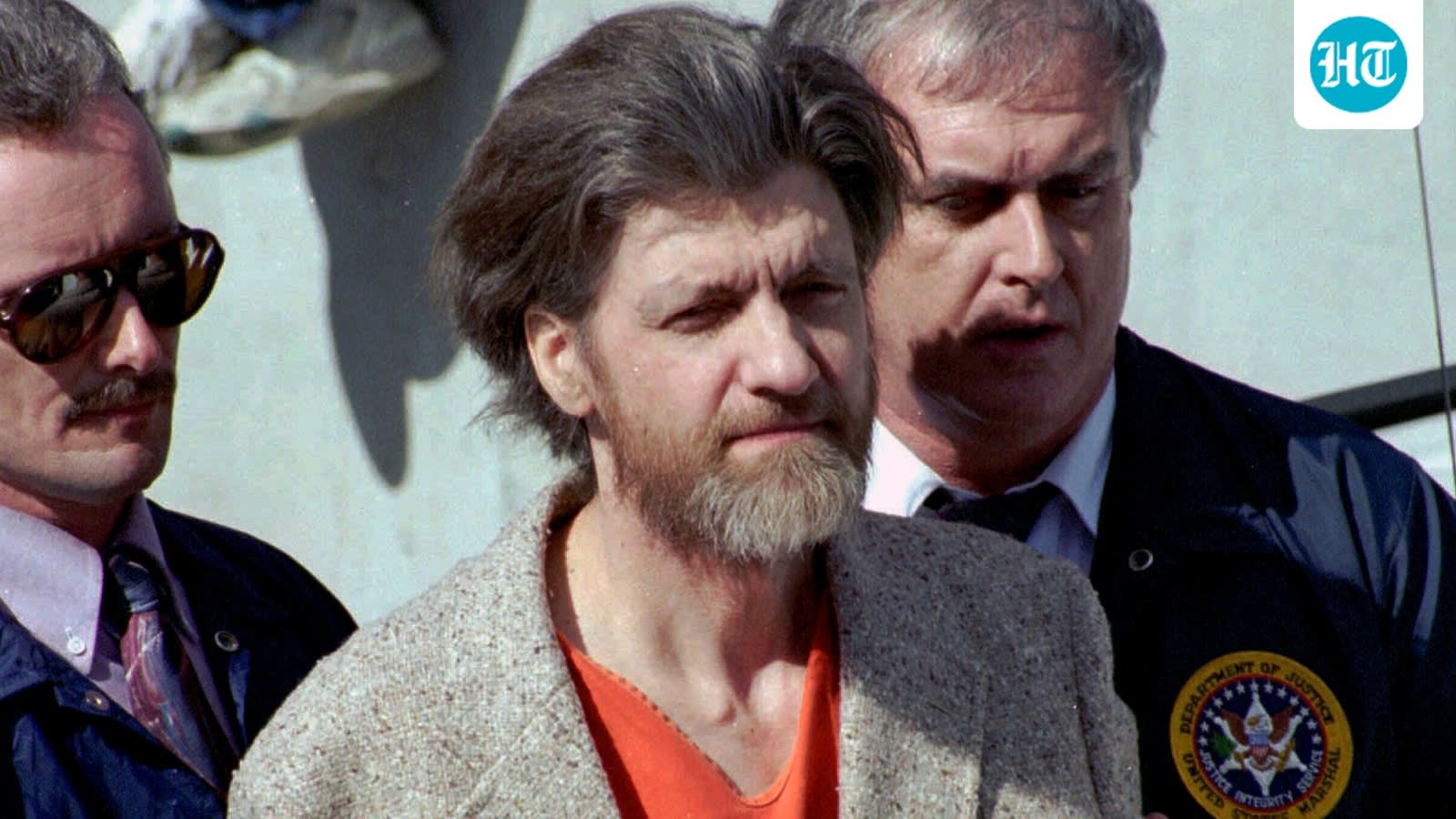
Ted Kaczynski, known as the Unabomber, conducted a 17-year bombing campaign driven by extreme anti-technology ideology. His 35,000-word manifesto, intended to spread his message, ultimately became the key piece of evidence that led the FBI to his arrest in 1995.
The Ideology and Violence of the Unabomber
Theodore “Ted” Kaczynski, widely recognized as the Unabomber, remains one of the most infamous figures in American criminal history. Between 1978 and 1995, Kaczynski waged a 17-year campaign of domestic terrorism that resulted in the deaths of three individuals and left 23 others injured. His violent crusade was not rooted in traditional political or religious extremism, but rather in a radical, singular obsession with the perceived dangers of the industrial-technological revolution.
The Anti-Technology Manifesto
At the heart of Kaczynski’s violence was a 35,000-word manifesto he penned to articulate his worldview. He argued that modern industrial society and the proliferation of technology were inherently destructive, stripping humans of their autonomy and causing irreparable harm to the natural environment. By targeting individuals associated with universities, scientific research, and the aviation industry, Kaczynski sought to strike at the institutions he believed were the architects of this societal decline.
The Catalyst for Capture
Paradoxically, the very document Kaczynski used to broadcast his manifesto became his undoing. In 1995, he demanded that major newspapers publish his essay, believing it would spark a revolution against the technological status quo. The FBI, recognizing the potential for a breakthrough, made the calculated decision to publish the text. This public exposure allowed family members to recognize the distinct linguistic style and ideological themes, leading them to alert the authorities to Kaczynski’s identity.
Broader Implications of the Case
The case of the Unabomber forced a national conversation regarding the balance between industrial progress and individual freedom. While Kaczynski’s actions were universally condemned as acts of domestic terrorism, his critique of technology’s role in human life sparked academic and philosophical debates about the societal impacts of rapid technological advancement. His legacy serves as a grim case study on the intersection of extreme ideological isolation and the misuse of violence as a tool for social change.
Historical Context and Conclusion
Kaczynski’s arrest in 1995 marked the end of one of the FBI’s longest and most expensive manhunts. His capture highlighted the efficacy of using public discourse as a investigative tool, even when dealing with highly reclusive subjects. Today, Kaczynski’s life and crimes remain a cautionary tale regarding the radicalization of individuals who perceive themselves as protectors of humanity against the march of progress. His story continues to be analyzed not just for its criminal elements, but for what it reveals about the volatile relationship between technological evolution and human psychology.
Verification Required?