Damage due to rainfall to be assessed; assistance to affected families within 24 hours: Uttar Pradesh CM Yogi Adityanath
Source Entity
India Latest News: Top National Headlines Today & Breaking News | The Hindu
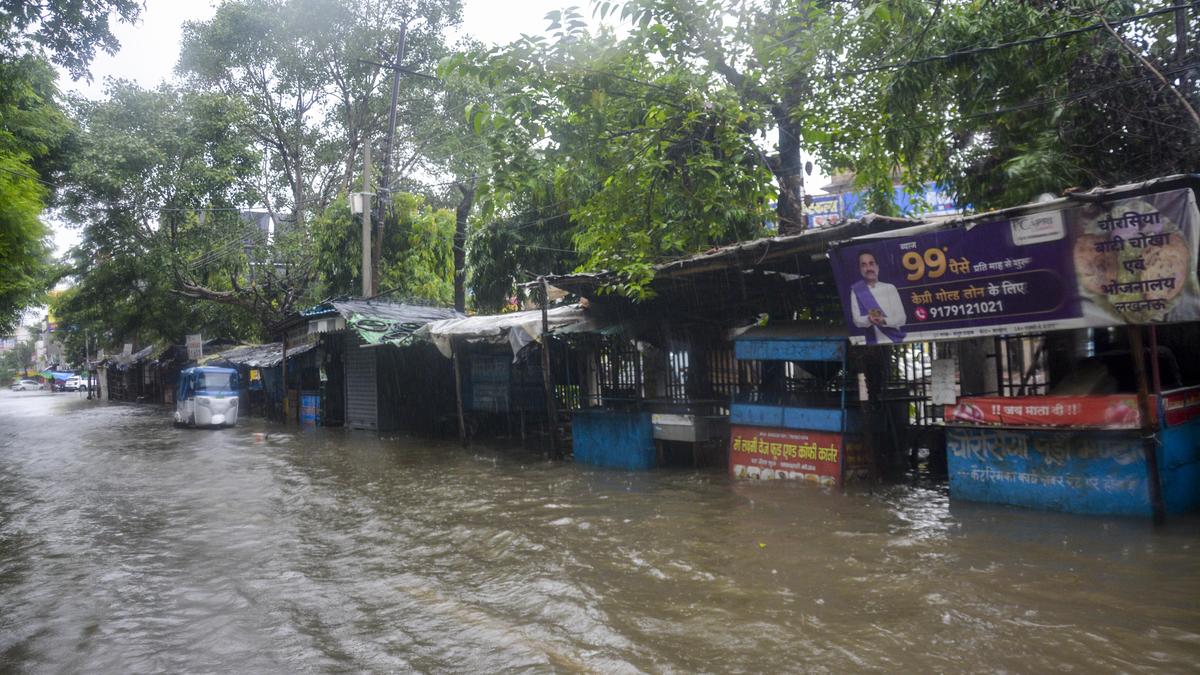
Torrential monsoon rains have triggered deadly floods and landslides across Nepal and Northern India, resulting in at least 31 confirmed deaths. Authorities are prioritizing evacuations and infrastructure assessments as climate-related risks continue to threaten Himalayan regions.
The Expanding Climate Crisis in the Himalayas and Northern India
The recent surge in torrential rainfall across Nepal and Northern India has underscored the escalating vulnerability of the Himalayan region to extreme weather events. With at least 21 lives lost in Nepal and 10 in Uttar Pradesh, the combined impact of floods and landslides has created a humanitarian crisis. These events, characterized by over 100 locations recording more than 100 mm of rain, highlight the severity of current atmospheric conditions affecting the sub-continent.
The Human and Structural Toll
In Nepal, the National Disaster Risk Reduction and Management Authority (NDRRMA) has confirmed that the majority of the 21 fatalities were caused by landslides, which have also severely obstructed river pathways. The situation is compounded by the lingering trauma of the historic Bhotekoshi floods, which previously claimed over 1,400 lives. The current evacuation of 3,000 residents serves as a critical measure to prevent further casualties as search and rescue operations struggle against hazardous terrain.
Administrative Response in India
Across the border, the state of Uttar Pradesh is facing a significant crisis. Chief Minister Yogi Adityanath has mandated a 24-hour window for damage assessment, prioritizing immediate financial and logistical assistance to affected families. Furthermore, the administration has implemented proactive safety measures, including the closure of schools in red-alert zones and the suspension of the Char Dham Yatra in Uttarakhand to protect pilgrims from unpredictable flash floods and lightning risks.
Regional Climate Vulnerabilities
This disaster is not an isolated event but part of a broader trend of climate-induced volatility in the Himalayas. Nepal’s leadership has actively flagged these Himalayan climate risks on international platforms like the United Nations, emphasizing that the region is a frontline victim of global environmental shifts. The intensity of this rainfall, which has impacted states from Himachal Pradesh to Delhi, reflects an increasingly unstable monsoon pattern that challenges traditional disaster preparedness models.
Future Trends and Mitigation
Looking ahead, the reliance on reactive measures—such as temporary school closures and emergency evacuations—must evolve into robust, long-term climate adaptation strategies. The suspension of major religious pilgrimages and the warning to tourists to avoid vulnerable areas indicate a shift toward prioritizing life-safety over economic activity during extreme weather windows. As the India Meteorological Department (IMD) continues to issue alerts, the integration of real-time early warning systems will be essential to mitigating the impact of future extreme weather cycles in these ecologically fragile zones.
Verification Required?