US Treasury chief claims successes in isolating Iran
Source Entity
Latest News: Todays Latest News Headlines from India & World | Hindustan Times | Hindustan Times
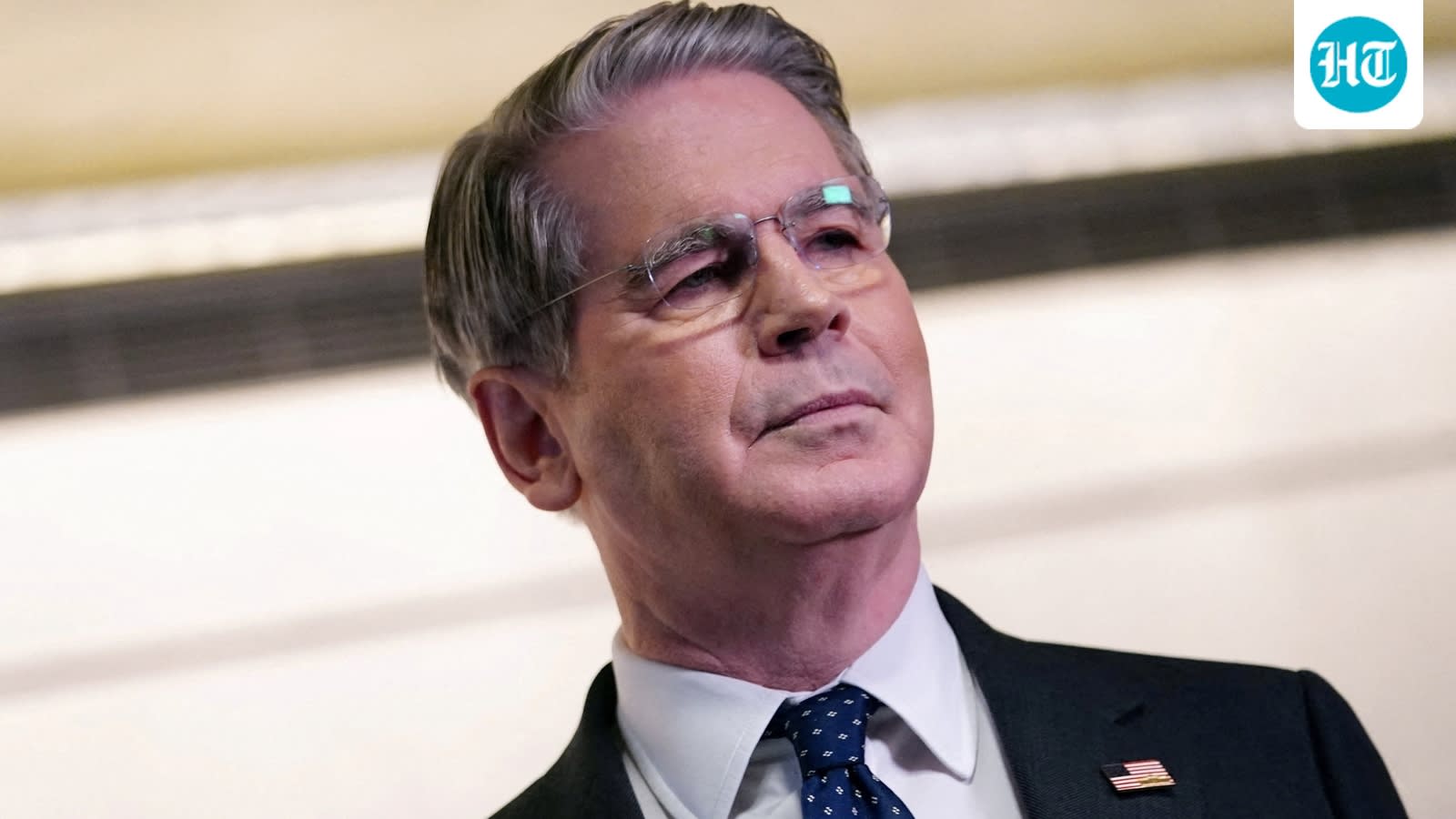
US Treasury Secretary Scott Bessent reports success in isolating Iran through targeted sanctions and international diplomatic pressure. Key regional partners, including Turkey and the UAE, have restricted Iranian airlines and banking operations in response to US demands.
The Intensification of Economic Diplomacy Against Iran
US Treasury Secretary Scott Bessent has announced a significant escalation in the American campaign to economically isolate the Iranian regime. By dispatching specialized diplomatic teams globally, the US Treasury is actively leveraging its influence to compel sovereign nations to sever critical financial and logistical lifelines that have historically sustained the Iranian economy. This concerted effort represents a shift toward a more aggressive enforcement of international sanctions, focusing on the infrastructure of commerce rather than just abstract policy pressure.
Targeting Financial Infrastructure
A pivotal development in this campaign is the recent revocation of the license for Iran’s Bank Mellat in Turkey. As a semi-private financial entity, Bank Mellat has long functioned as a vital node for Iran’s international transactions, navigating the complex web of Western sanctions. The decision by Turkish authorities to revoke this license signals a notable alignment with US demands, effectively closing a significant gateway for Iranian capital and banking services in one of the region's most important trade hubs.
Disrupting Aviation and Logistics
Beyond banking, the US Treasury has successfully pressured regional neighbors to disrupt the operational capacity of Iranian airlines. The restriction of Mahan Air flights in Turkey and Oman, coupled with the United Arab Emirates’ decision to halt all flights by Iranian carriers, strikes at the heart of Iran’s connectivity. These airlines serve not only as transportation for citizens but as essential logistical conduits for the movement of goods and personnel, and their grounding creates a profound bottleneck in Iran’s regional integration.
The Strategic Role of the UAE
The UAE’s decision to cease all flights by Iranian airlines is particularly significant given the deep-rooted economic ties between the two nations. Dubai has traditionally functioned as a commercial hub for Iran, hosting a substantial Iranian expatriate community and facilitating high volumes of daily trade. By forcing the UAE to choose between its economic relationship with Iran and its alignment with US financial policy, the Treasury is testing the limits of regional neutrality in the face of American sanctions enforcement.
Future Trends and Global Implications
Looking forward, this strategy suggests a long-term commitment by the US to utilize 'secondary sanctions' as a primary tool of foreign policy. As countries are forced to choose between access to the US financial system and their trade relationships with Iran, we can expect a continued contraction of Iran's international economic footprint. The success of these measures will likely encourage the US to apply similar pressure on other sectors, potentially leading to a more isolated Iranian economy that is forced to rely increasingly on domestic production or clandestine trade routes.
Conclusion
The current diplomatic offensive led by Scott Bessent marks a decisive moment in the ongoing efforts to restrict Iran's regional influence. By systematically targeting the pillars of aviation and banking, the United States is effectively shrinking the operational space available to the Iranian regime. Whether these measures will fundamentally alter the regime's behavior or merely heighten domestic economic strain remains the central question for international observers in the coming months.
Verification Required?