Russia backs India’s bid for permanent seat at UN Security Council
Source Entity
The Indian Express
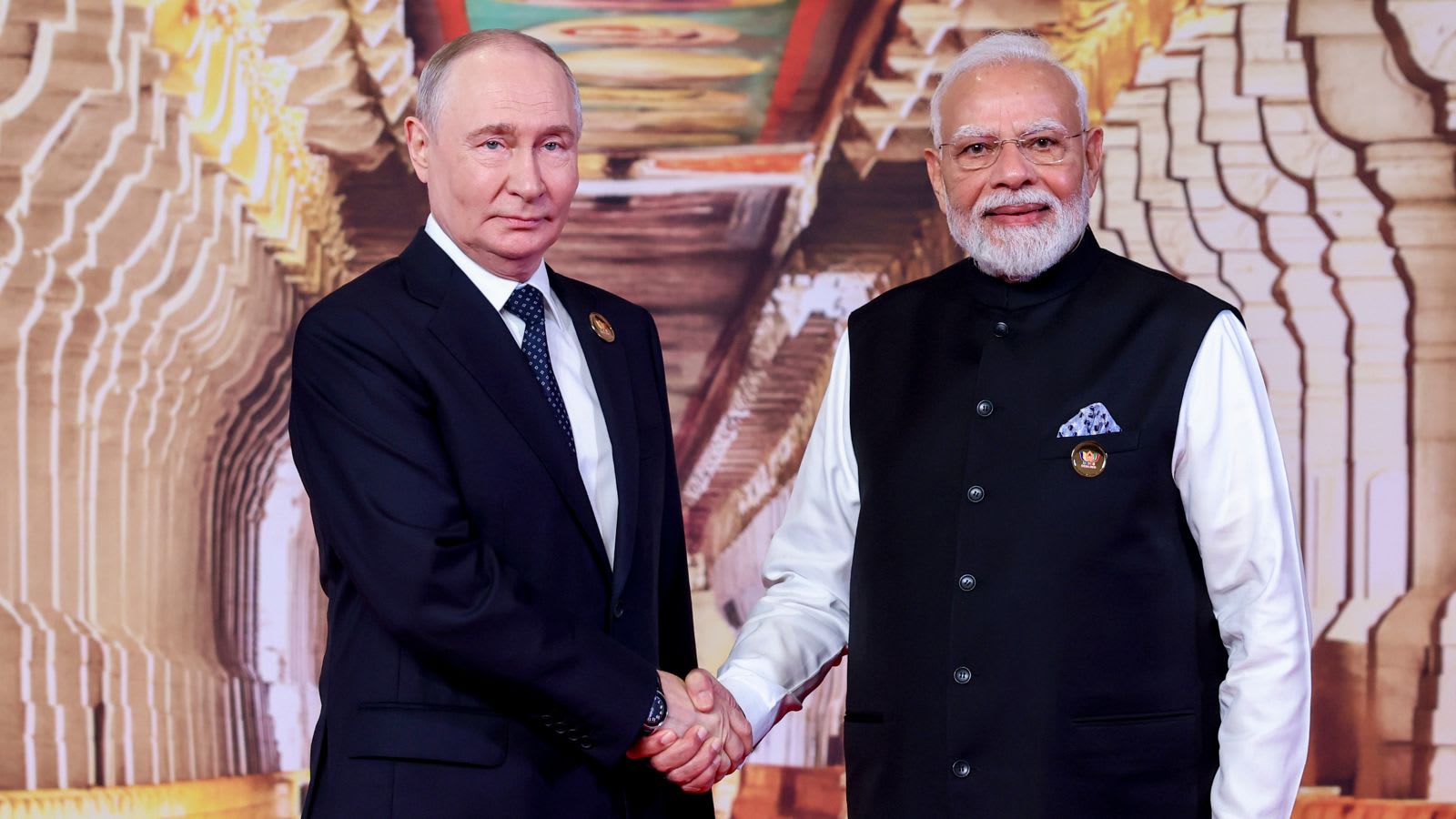
External Affairs Minister S. Jaishankar held key diplomatic meetings with Russian and Iranian counterparts on the sidelines of the 81st UNGA. He emphasized that groupings like BRICS complement rather than replace the United Nations, while advocating for urgent institutional reforms.
Diplomatic Engagements at the 81st UNGA
External Affairs Minister S. Jaishankar is currently leading the Indian delegation at the 81st Session of the United Nations General Assembly (UNGA) in New York. Amid a packed schedule of high-level meetings, Jaishankar has utilized the platform to engage with key global counterparts, including Russian Foreign Minister Sergey Lavrov and Iranian Foreign Minister Seyed Abbas Araghchi, as well as US Secretary of State Marco Rubio. These meetings, held against the backdrop of a volatile geopolitical climate, underscore India's commitment to maintaining strategic autonomy while navigating complex international alliances.
Navigating Sanctions and Regional Stability
The discussions in New York carry significant weight, occurring just days after the United States signed new legislation imposing sanctions on nations purchasing oil and gas from Moscow and Tehran. India’s engagement with Russia and Iran highlights the delicate balancing act New Delhi performs to protect its energy security and regional interests. The meetings likely addressed the broader implications of these sanctions, as well as the ongoing Gulf conflict, which continues to pose risks to commercial shipping and the safety of global seafarers—a topic of growing concern for the Indian government.
The Role of BRICS and Global Governance
A central theme of Jaishankar’s visit has been the role of multilateral groupings in the modern era. During a session titled ‘Ruptures & Ramparts: Building Bridges for a Changing World,’ organized by the Observer Research Foundation and Reliance Foundation, the Minister addressed the perception that groupings like BRICS compete with the United Nations. He explicitly stated that choosing between the two is a “false choice,” arguing that smaller, agile forums are designed to be supportive of the UN framework rather than subversive.
Advocating for Institutional Reform
Jaishankar’s rhetoric at the UNGA reflects a long-standing Indian policy position: the United Nations remains indispensable despite its acknowledged shortcomings. By framing BRICS and similar coalitions as catalysts for reform, India is positioning itself as a leader in the Global South that seeks to modernize international institutions to better reflect contemporary power dynamics. He acknowledged that while the UN has flaws, it also possesses significant achievements that must be preserved and strengthened through structural change.
Looking Ahead: The General Debate
As the High-Level Week progresses, all eyes are on the General Debate scheduled for Saturday, September 26. Jaishankar is slated to address the assembly during the morning session, occupying the 18th position. His speech is expected to synthesize India’s vision for a changing world, building upon the themes of bridge-building and institutional reform he has championed throughout the week. This address will serve as a definitive statement of India's foreign policy priorities in the face of shifting global alliances and escalating international tensions.
Multiple Citing Sources