Iran offers US deal to reopen Strait of Hormuz in seven days
Source Entity
BBC News
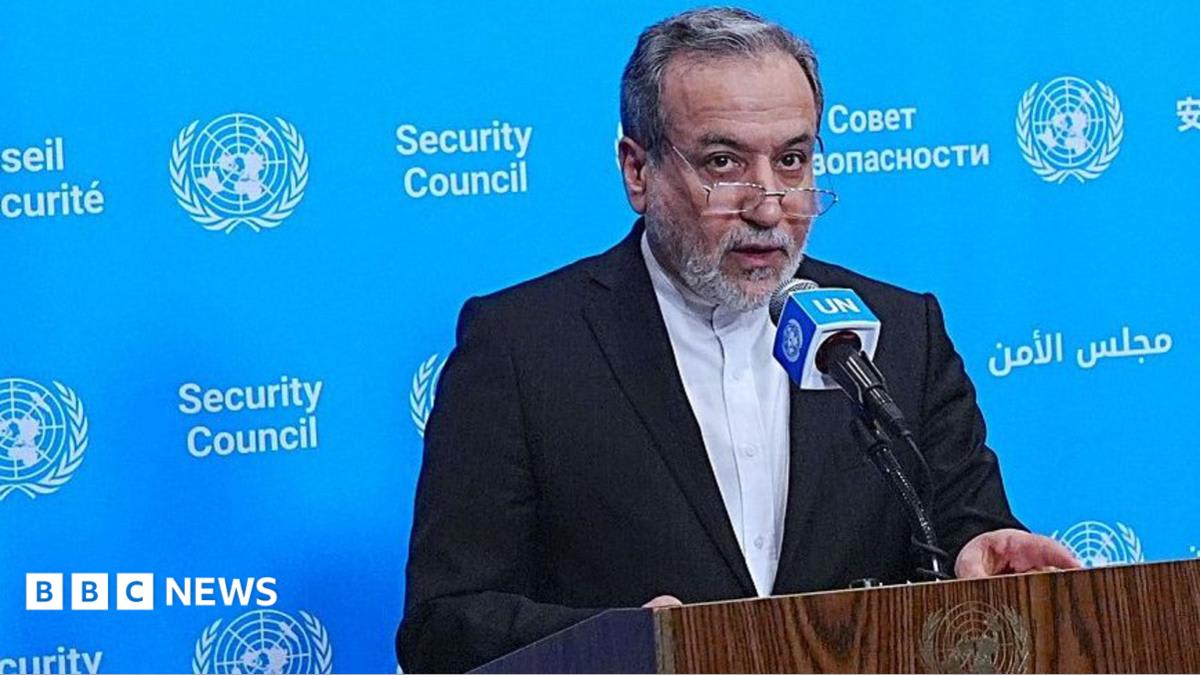
Iran has proposed a seven-day plan to reopen the Strait of Hormuz in exchange for sanctions relief and a ceasefire. President Donald Trump has rejected the offer, signaling a continuation of military pressure following the November midterms.
The Strait of Hormuz: A New Diplomatic Impasse
In a high-stakes development, Iranian Foreign Minister Abbas Araghchi has presented a seven-day proposal to the United States aimed at reopening the strategic Strait of Hormuz. The offer, which also includes a path to resume stalled nuclear negotiations, hinges on the United States lifting its naval blockade of Iranian ports, waiving sanctions on oil exports, and observing a broader ceasefire that encompasses the conflict in Lebanon. This proposal appears to be a iteration of an earlier memorandum of understanding signed in June, which collapsed shortly after its inception.
The Strategic Weight of the Strait
The Strait of Hormuz remains one of the world's most critical maritime chokepoints, serving as a primary artery for global oil transit. By offering to reopen the waterway, Iran is attempting to leverage its geographic control as a primary bargaining chip against the current US-led naval blockade. The proposal underscores the fragility of regional stability, as the waterway's closure directly impacts global energy prices and international commerce, making it a focal point of the current geopolitical standoff.
Rejection and the Shadow of Conflict
Despite the diplomatic overtures from Tehran, the response from the White House has been dismissive. President Donald Trump has reportedly rejected the ceasefire proposal, maintaining that Iran must first surrender its nuclear ambitions. Reports indicate that the administration expects to resume bombing campaigns in Iran following the November midterm elections, highlighting a significant disconnect between the diplomatic channels facilitated by mediators like Qatar and the hardline military posture adopted by the US administration.
Complex Regional Dynamics
The situation is further complicated by the ongoing conflict in Yemen and the recent history of direct military engagement between the two nations. Following US and Israeli air strikes on February 28, Iran retaliated by targeting US bases in the Gulf and assets belonging to US regional allies. This cycle of escalation has created a volatile environment where diplomatic breakthroughs are constantly threatened by the kinetic reality of the conflict on the ground.
Internal Divisions and Future Outlook
Internally, Iran faces significant debate regarding the efficacy of this diplomatic strategy. The failure of the June agreement looms large, and the hardline stance taken by the US administration leaves little room for immediate de-escalation. While mediators continue to push for dialogue, the current trajectory suggests a deepening of the crisis. As the midterm elections approach, the potential for renewed military action remains high, leaving the future of the Strait of Hormuz and the nuclear talks in a state of extreme uncertainty.
Multiple Citing Sources