The Prestige Pivot: Beyond the Moral Imperative
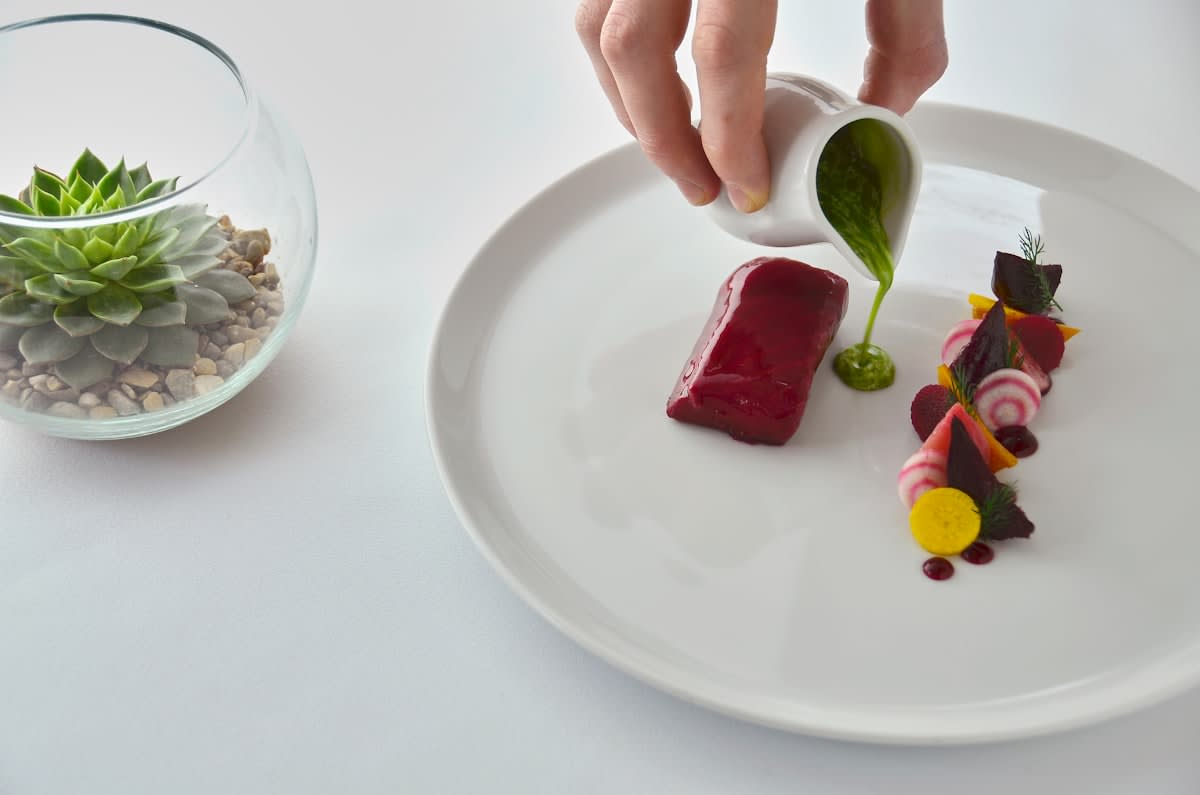
For years, the concept of 'upcycled food' lived in the periphery of the culinary world, relegated to rustic cafes and eco-conscious startups focusing on 'ugly' produce. It was a narrative of rescue—saving a carrot from a landfill or turning spent brewery grain into a dense cracker. But over the last twelve months, a fundamental shift has occurred. We are witnessing a transition from the 'moral' phase of upcycling to the 'gastronomic' phase. Luxury chefs and food scientists are no longer using these ingredients because they feel they should, but because these by-products offer unique, concentrated flavor profiles that traditional primary ingredients simply cannot match.
The delta between today and a year ago is stark. Twelve months ago, upcycling was a marketing tool used to signal corporate social responsibility. Today, it is a tool for differentiation in a saturated luxury market. High-end establishments in Copenhagen, Singapore, and New York are now treating ingredients like cacao fruit pulp or coffee cherry (cascara) not as waste, but as 'exclusive' botanical extracts. This pivot weaponizes the rarity of the by-product, turning a systemic inefficiency into a luxury asset.
The New Luxury Palette
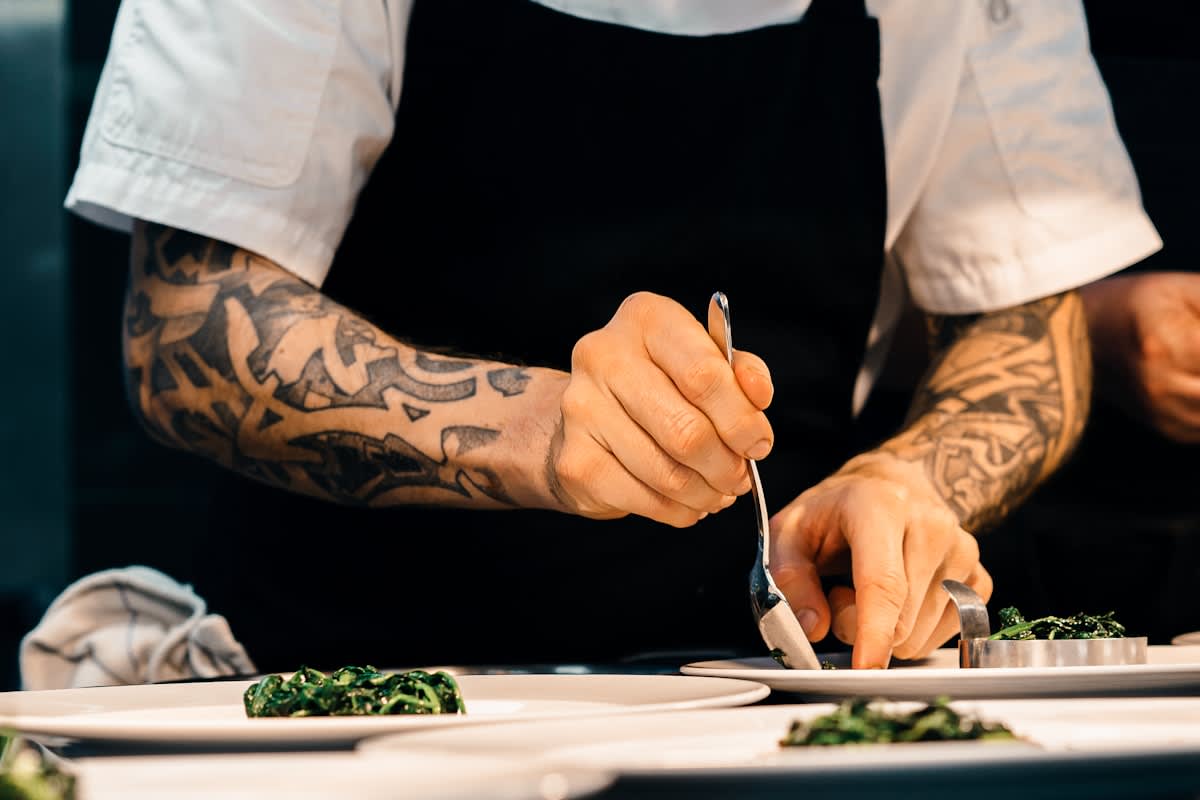
What does this look like on the plate? Consider the cacao fruit. For decades, the industry focused solely on the bean, discarding the surrounding white pulp. Now, luxury chocolatiers are extracting this pulp to create syrups and gels with a tropical, tangy acidity that cuts through the richness of dark chocolate. Similarly, the use of whey—the liquid byproduct of cheesemaking—has evolved from a waste stream into a base for high-end fermented beverages and luxury desserts. These ingredients provide a complex acidity and mouthfeel that are difficult to replicate with synthetic or primary additives.
"The goal is no longer just to reduce waste; it is to discover the 'hidden flavors' of the food system. We are finding that the most interesting taste profiles often exist in the parts of the plant or animal that we were trained to ignore."— Industry Analyst, Upcycled Food Association
This shift is supported by a growing market valuation for upcycled ingredients. The global upcycled food market is projected to expand significantly as consumer acceptance grows, with a focus on 'premiumization' (Source: Upcycled Food Association, 2023). This isn't just about selling a cheaper product; it is about creating a new category of 'super-ingredients' that command a price premium because of their environmental story and their unique sensory properties.
Why now? The timing coincides with a global fatigue toward traditional luxury. The 'truffle and caviar' era of prestige is being replaced by an intellectual luxury—one where the value is derived from the ingenuity of the process. When a diner is told that a sauce is made from a reduction of fermented vegetable peels sourced from a local urban farm, the value is no longer in the cost of the raw material, but in the narrative of transformation.
The Practitioner's Friction: The Reality of the Supply Chain
On the ground, however, this transition is far from seamless. If you speak to a procurement manager at a Michelin-starred restaurant, the debate isn't about ethics—it's about consistency. Waste streams are, by definition, erratic. A brewery might produce a surplus of spent grain one week and a deficit the next. For a luxury kitchen that demands absolute precision in every plate, this volatility is a nightmare. Practitioners are currently debating how to 'standardize the irregular,' attempting to create processing hubs that can stabilize these by-products into consistent powders or extracts without stripping away the volatile flavor compounds that make them desirable.
There is also the regulatory hurdle. In many regions, the legal definition of 'waste' prevents it from entering the human food chain once it leaves a primary production facility. Chefs and food scientists are currently locked in battles with health inspectors and regulatory bodies to redefine these materials as 'co-products' rather than 'waste.' This legal distinction is the invisible wall that separates a creative experiment from a scalable luxury trend.
| Ingredient | Former Status | Luxury Application | Value Driver |
|---|---|---|---|
| Cacao Pulp | Discarded waste | High-acid gels/syrups | Rare tropical profile |
| Spent Grain | Animal feed | Artisan fermented breads | Nutty, toasted depth |
| Aquafaba | Drain water | Vegan luxury foams | Texture mimicry |
| Fruit Pomace | Compost | Concentrated fruit powders | Intense pigment & flavor |
Beyond the kitchen, the economic incentives are shifting. Large-scale food producers are realizing that selling a by-product to a luxury brand is far more profitable than paying a waste management company to haul it away. This creates a symbiotic relationship: the producer finds a new revenue stream, and the luxury brand secures an 'exclusive' ingredient that no one else has the infrastructure to source.
Scaling the Circularity
Looking forward, the trend is moving toward 'integrated circularity.' We are seeing the rise of food hubs where breweries, bakeries, and hydroponic farms exist in a closed loop. In these ecosystems, the waste of one becomes the luxury ingredient of another. This isn't just an environmental win; it's a hedge against the volatility of global supply chains. By sourcing 'waste' locally and refining it into luxury components, chefs are insulating themselves from the price spikes of imported prestige goods.
Can this scale beyond the avant-garde? The evidence suggests yes. As the technology for stabilization—such as freeze-drying and precision fermentation—becomes cheaper, these upcycled ingredients will migrate from the 3-star restaurant to the premium supermarket shelf. The challenge will be maintaining the 'luxury' aura once the ingredient becomes accessible. The industry will likely respond by creating 'tiers' of upcycled products, with the most complex, artisanal transformations remaining the province of the elite.
Fact-Check & Accuracy Note
This article relies on market trends identified by the Upcycled Food Association (2023) and general circular economy frameworks from the FAO (2024). While the shift toward 'premiumization' is evident in luxury gastronomy hubs, the exact market valuation of 'upcycled luxury' as a standalone category remains a subject of industry debate due to the lack of standardized reporting among private luxury firms.
Editorial Governance
Editorial Note: The author has observed the friction between culinary creativity and regulatory waste laws across three continents. The 'practitioner's perspective' included here reflects internal industry discussions regarding the stabilization of non-linear supply chains.