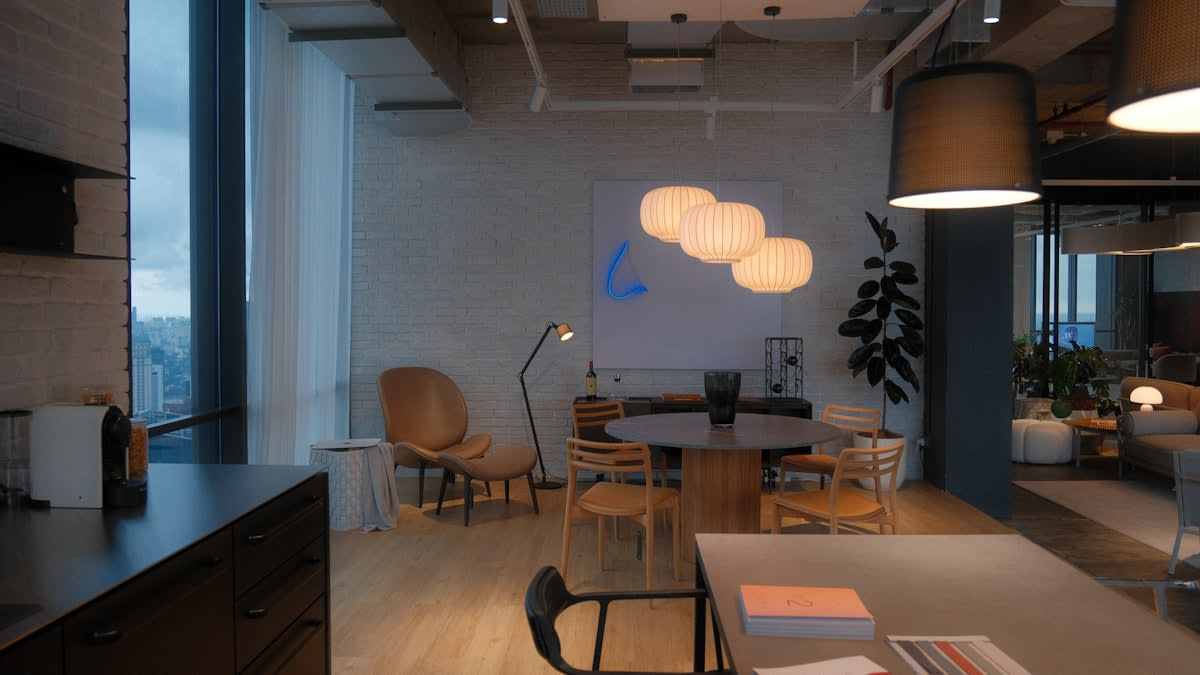
The Philosophy of the Urban Loop
Most city dwellers exist in a linear consumption trap. We buy produce shipped from thousands of miles away, consume a fraction of it, and discard the rest into plastic bags that end up in landfills. This model is a failure of design. A closed-loop system rejects this waste-centric architecture, treating every scrap of organic matter as a high-value input for the next growth cycle. Why settle for being a passive end-user when you can become an active manager of your own micro-ecosystem? By integrating waste diversion and food production within your four walls, you decouple your nutrition from fragile global supply chains.
Defining the Loop
A closed-loop system is a circular process where the output of one stage (waste) becomes the input for another (fertilizer), eliminating the need for external synthetic inputs and reducing the environmental footprint to near zero.
Global data suggests that roughly 33% of all food produced for human consumption is lost or wasted. In a typical urban apartment, this waste is often viewed as a nuisance or a chore to be removed. However, for the master practitioner, this is misplaced gold. From the high-density micro-apartments of Tokyo to the repurposed lofts of Berlin, urbanites are reclaiming this biomass. The goal is not just sustainability—which implies maintaining a status quo—but regeneration. We are talking about building a system that actually improves the quality of your living environment while providing fresh, nutrient-dense greens.
Prerequisites: Your Urban Toolkit
You do not need a backyard or a balcony to start. You only need a few square feet of dedicated space and a commitment to monitoring your biological processes. The tools listed below are chosen for their efficiency in confined spaces and their ability to operate without producing offensive odors. Forget the oversized plastic bins and piles of dirt; urban closed-loops rely on precision fermentation and concentrated biological activity.
- Bokashi Bin: An airtight fermentation vessel with a spigot for nutrient-rich tea.
- Vermicompost Bin: A ventilated container for Red Wiggler worms.
- Vertical Hydroponic Tower or Window-Sill Herb Garden: Space-efficient growing modules.
- Full-Spectrum LED Grow Lights: Essential for apartments with low natural light (below 6 hours of direct sun).
- pH Meter and EC Tester: To ensure your nutrient solutions are optimized for plant uptake.
- Heirloom Seeds: Open-pollinated varieties that allow for seed saving and future planting.
Before you plant a single seed, you must audit your light and air. Plants are biological machines that convert light into energy; without the right spectrum, your closed loop will stall. If your apartment faces a brick wall in a narrow alley, invest in high-efficiency LEDs. Similarly, airflow is the silent killer of indoor systems. A simple oscillating fan prevents stagnant air pockets, reducing the risk of powdery mildew and strengthening plant stems through mechanical stress.
Step 1: Capturing the Leak via Bokashi Fermentation
Traditional composting fails in apartments because it requires oxygen and large volumes of brown matter to prevent smells. Bokashi changes the game. Originating in Japan, this method uses an anaerobic process facilitated by an inoculant of Effective Microorganisms (EM). Instead of rotting, your food scraps ferment. This allows you to process meat, dairy, and citrus—items that would typically crash a worm bin or attract pests in a traditional pile. It is the fastest way to divert 100% of your kitchen waste.
- Layer your food scraps in the Bokashi bin, pressing them down firmly to remove air pockets.
- Sprinkle a generous handful of Bokashi bran over every 2-3 inches of waste.
- Seal the lid airtight to maintain the anaerobic environment.
- Drain the 'Bokashi tea' from the spigot every few days; this liquid is a potent fertilizer when diluted.
- Once the bin is full, let it ferment for two weeks before transferring the pre-composted matter to a worm bin or soil factory.
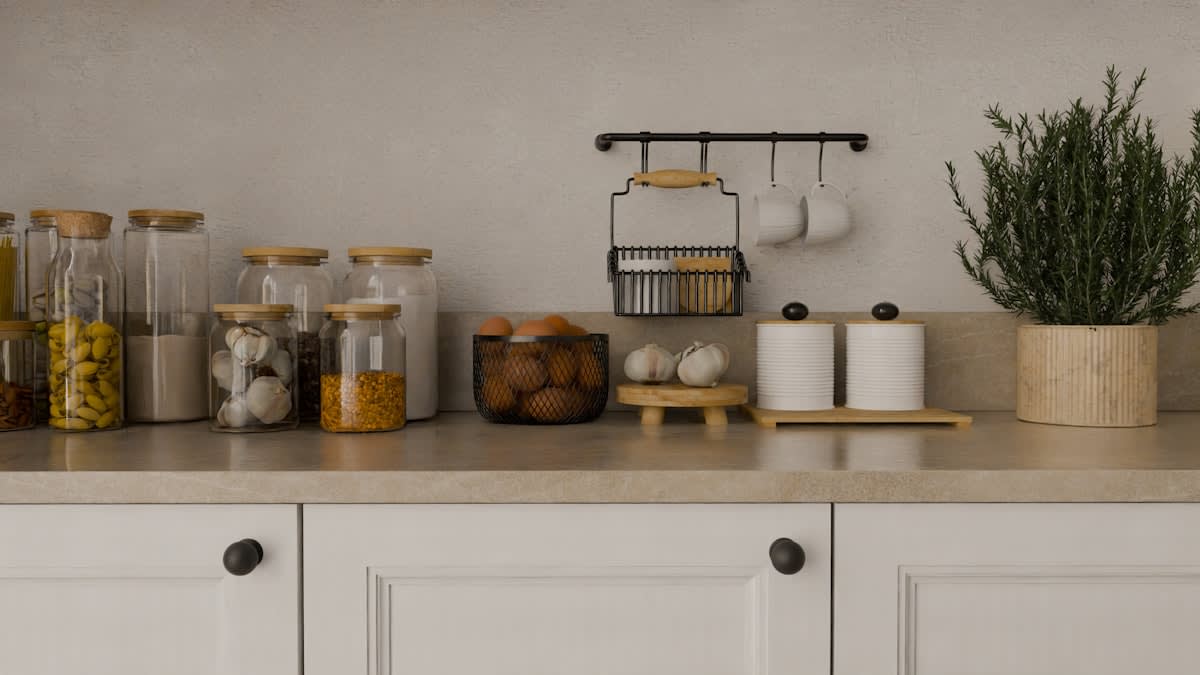
The magic of Bokashi lies in the liquid. The tea produced during fermentation is rich in lactic acid and nutrients. If applied undiluted, it will burn your plants. However, a 1:100 dilution creates a powerhouse solution that stimulates root growth and suppresses soil-borne pathogens. This is the first bridge in your loop: turning a waste stream into a liquid asset.
Step 2: Converting Waste to Wealth with Vermicomposting
While Bokashi handles the fermentation, vermicomposting handles the stabilization. Red Wigglers (Eisenia fetida) are the gold standard for indoor systems. These worms don't burrow deep; they live in the top few inches of organic matter, processing it into worm castings—the most nutrient-dense soil amendment available on earth. By feeding your fermented Bokashi waste to the worms, you accelerate the breakdown process and eliminate the acidity of the fermented scraps.
| Feature | Bokashi Fermentation | Vermicomposting |
|---|---|---|
| Oxygen Requirement | Anaerobic (No Oxygen) | Aerobic (Needs Oxygen) |
| Processing Speed | Fast (Days) | Moderate (Weeks/Months) |
| Accepted Waste | Almost everything (Meat/Dairy) | Vegetables, Fruit, Paper |
| Primary Output | Fermented organic matter & Tea | Worm Castings (Humus) |
Managing a worm bin requires a balance of 'greens' (nitrogen-rich food scraps) and 'browns' (carbon-rich shredded cardboard or dried leaves). If the bin smells, you have too much nitrogen and not enough oxygen. If the worms are escaping, the environment is too acidic. A healthy bin should smell like a forest floor after a rainstorm. This biological engine converts your kitchen waste into a stable, fungal-dominant soil that can sustain high-yield crops in small pots.
Step 3: The Growth Engine (Vertical Production)
Now that you have a steady supply of nutrient-rich tea and castings, you need a place to deploy them. In a small apartment, horizontal space is a luxury you cannot afford. Verticality is the only answer. Hydroponic towers or stacked shelving units allow you to grow 5 to 10 times more produce per square foot than traditional gardening. Focus on high-turnover crops: microgreens, basil, kale, and bok choy. These provide the highest nutritional return on investment for the energy and space used.
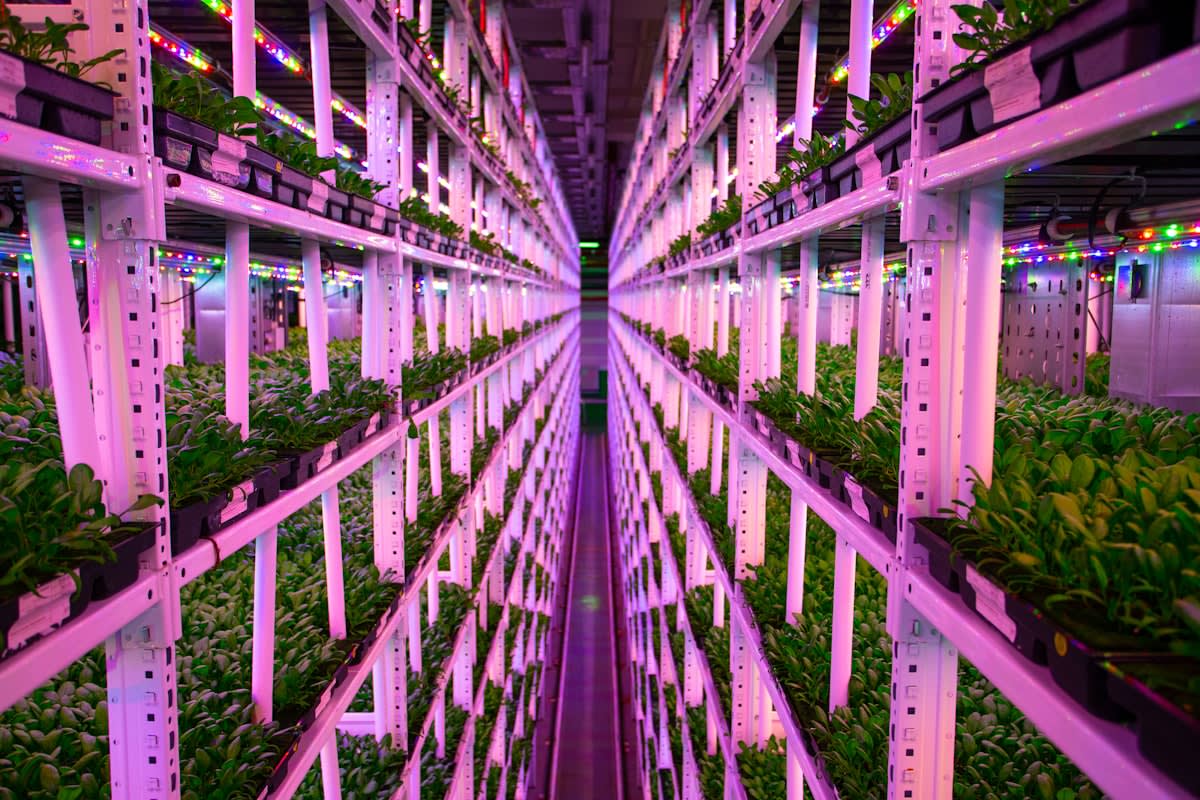
For those wanting to push the loop further, aquaponics integrates fish into the system. The fish waste provides the ammonia, which nitrifying bacteria convert into nitrates for the plants. The plants, in turn, filter the water for the fish. While more complex to balance, it creates a nearly autonomous protein and vegetable source. For most apartment dwellers, however, a hybrid approach—using worm castings in organic potting soil for herbs and a simple nutrient-film technique (NFT) system for greens—is the most resilient path.
Step 4: Closing the Circle through Seed Saving
The loop is not closed if you must buy new seeds every season. Commercial seeds are often bred for transport durability, not flavor or home-scale resilience. By saving seeds from your most successful plants, you engage in a process of localized evolution. Your plants will adapt to the specific light and humidity levels of your apartment. This creates a genetic lineage tailored to your micro-climate, increasing yield and reducing the need for external inputs.
To save seeds, allow a few of your strongest plants to go to flower and seed. For greens like kale or lettuce, this means letting them bolt. Collect the dried seeds, store them in airtight glass vials with a silica gel packet, and label them with the date and specific conditions of that growth cycle. When you swap these seeds with other urban growers in your city, you contribute to a regional seed bank, enhancing urban biodiversity and food security.
Common Pitfalls and Troubleshooting
The transition to a closed-loop system is rarely a straight line. Most beginners fail not because of a lack of effort, but because they ignore the biological signals of their system. The most common failure point is moisture imbalance. Overwatering is the primary cause of root rot in hydroponics and anaerobic pockets in worm bins. Always check the moisture level with your finger before adding more water or liquid fertilizer.
- Fungus Gnats: Caused by overly moist topsoil. Solution: Add a layer of cinnamon or sand to the surface, or use yellow sticky traps.
- Bokashi Odor: If the bin smells like putrid sewage rather than pickles, the seal is leaking. Check the gasket and add more bran.
- Nutrient Burn: Yellowing leaf tips usually indicate too much fertilizer. Flush the system with plain, pH-balanced water for one cycle.
- Stunted Growth: Often a result of 'leggy' plants reaching for light. Move your LED panels closer or increase the photoperiod to 14-16 hours.
Building a closed-loop system is an exercise in observation. You are no longer just a consumer; you are the steward of a biological process. By treating every scrap of food as a resource and every square inch of vertical space as an opportunity, you transform your apartment into a site of production. This is not just about the vegetables—it is about reclaiming agency over the most basic necessity of life.