Vaibhav Sooryavanshi moved out of opening slot for the 1st time, falls for 4 runs in 8 balls
Source Entity
The Indian Express
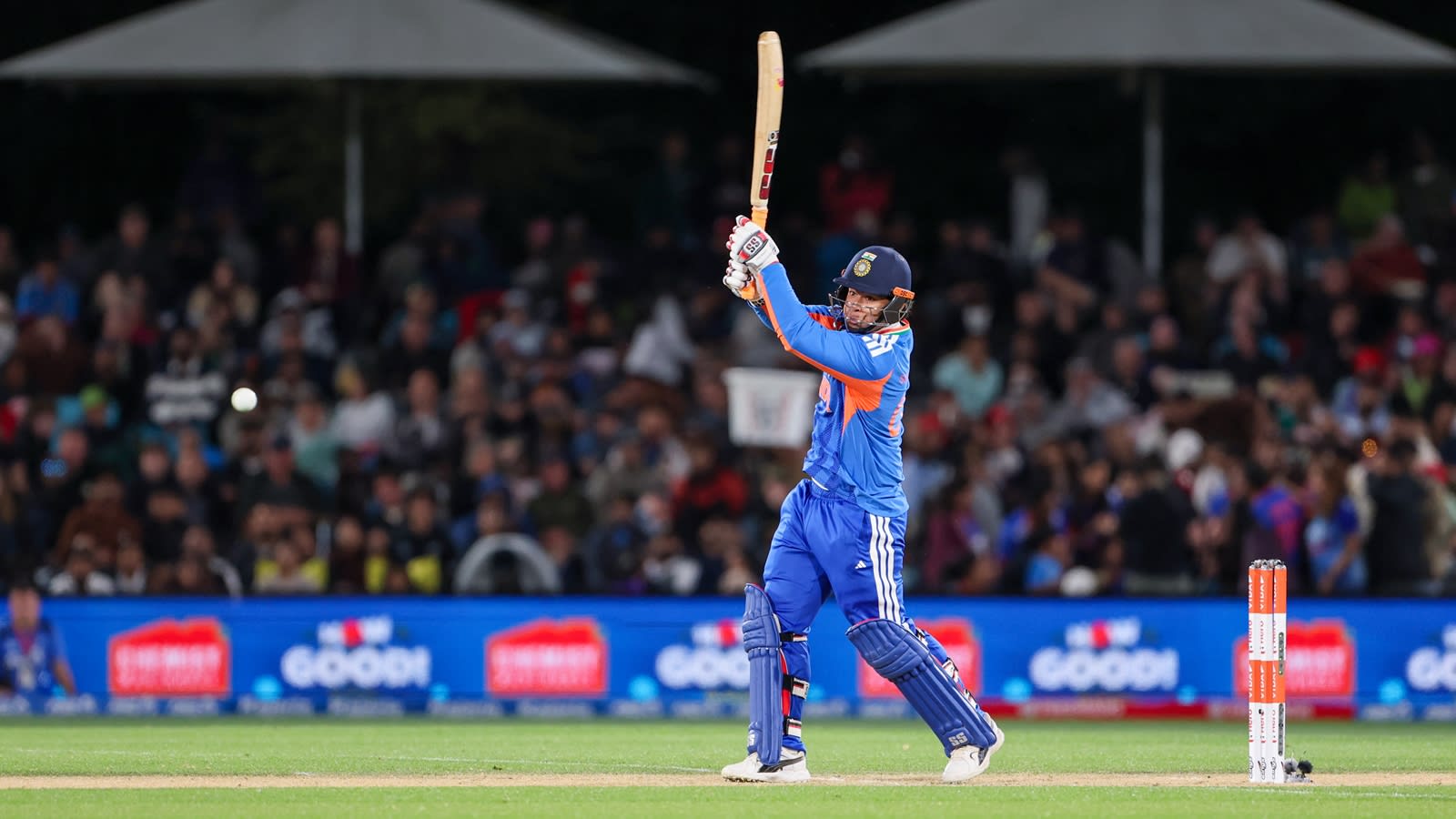
Ishan Kishan has been sidelined with an adductor strain, leading to the inclusion of Kumar Kushagra in India's T20I squad against New Zealand. Amidst these changes, 15-year-old Vaibhav Sooryavanshi made his first appearance outside the opening slot, scoring four runs at No. 3.
Tactical Shifts and Injury Woes: India's T20I Campaign in New Zealand
The ongoing T20I series between India and New Zealand has been marked by significant roster instability, primarily driven by the injury of wicketkeeper-batter Ishan Kishan. During the series opener, Kishan sustained a low-grade right adductor strain, a development that forced team management to adjust their tactical approach almost immediately. The BCCI confirmed that Kishan would be unavailable for the second T20I at Hagley Oval in Christchurch, prompting the selection committee to draft uncapped wicketkeeper-batter Kumar Kushagra as necessary cover.
The Rise of Vaibhav Sooryavanshi
For 15-year-old prodigy Vaibhav Sooryavanshi, the injury-induced reshuffle presented a long-awaited opportunity. Having spent nine matches on the sidelines, the teenager finally saw action in the second T20I. However, in a departure from his usual role, he was not deployed as an opener. Instead, India opted to maintain the established partnership of Sanju Samson and Abhishek Sharma at the top of the order, pushing Sooryavanshi to the No. 3 position.
A Challenging Transition
The transition to the middle order proved difficult for the young batsman. Facing a disciplined New Zealand bowling attack—led by Matt Henry and Jacob Duffy, who effectively stifled the Indian openers early on—Sooryavanshi struggled to find his rhythm. His innings was brief, ending at just four runs off eight balls. This performance highlights the steep learning curve associated with international cricket, particularly when a player is asked to perform outside their customary role.
Coaching Strategy and Player Development
Batting coach Sitanshu Kotak has consistently emphasized the necessity of patience regarding Sooryavanshi’s development. The decision to slot him at No. 3 rather than disrupting a successful opening pair suggests that the management is looking to test his versatility while protecting the team's core structure. This strategic patience reflects a broader philosophy of grooming young talent without exposing them to excessive pressure prematurely.
Broader Implications for the Series
The injury to Ishan Kishan serves as a critical juncture for the Indian squad. With a low-grade strain, the medical team is monitoring his progress, though no definitive timeline for his return has been established. The induction of Kumar Kushagra provides the team with a safety net, but the focus remains on how the management balances the need for results against the development of rising stars like Sooryavanshi.
Conclusion
As the series progresses, the Indian team must navigate the dual challenges of managing player fitness and integrating new faces into the lineup. The performance of the squad in the upcoming matches will likely hinge on their ability to adapt to these personnel changes. For Vaibhav Sooryavanshi, the experience, though statistically modest, represents a vital step in his transition to the international stage, setting the tone for his future contributions to Indian cricket.