The Liability of Scale
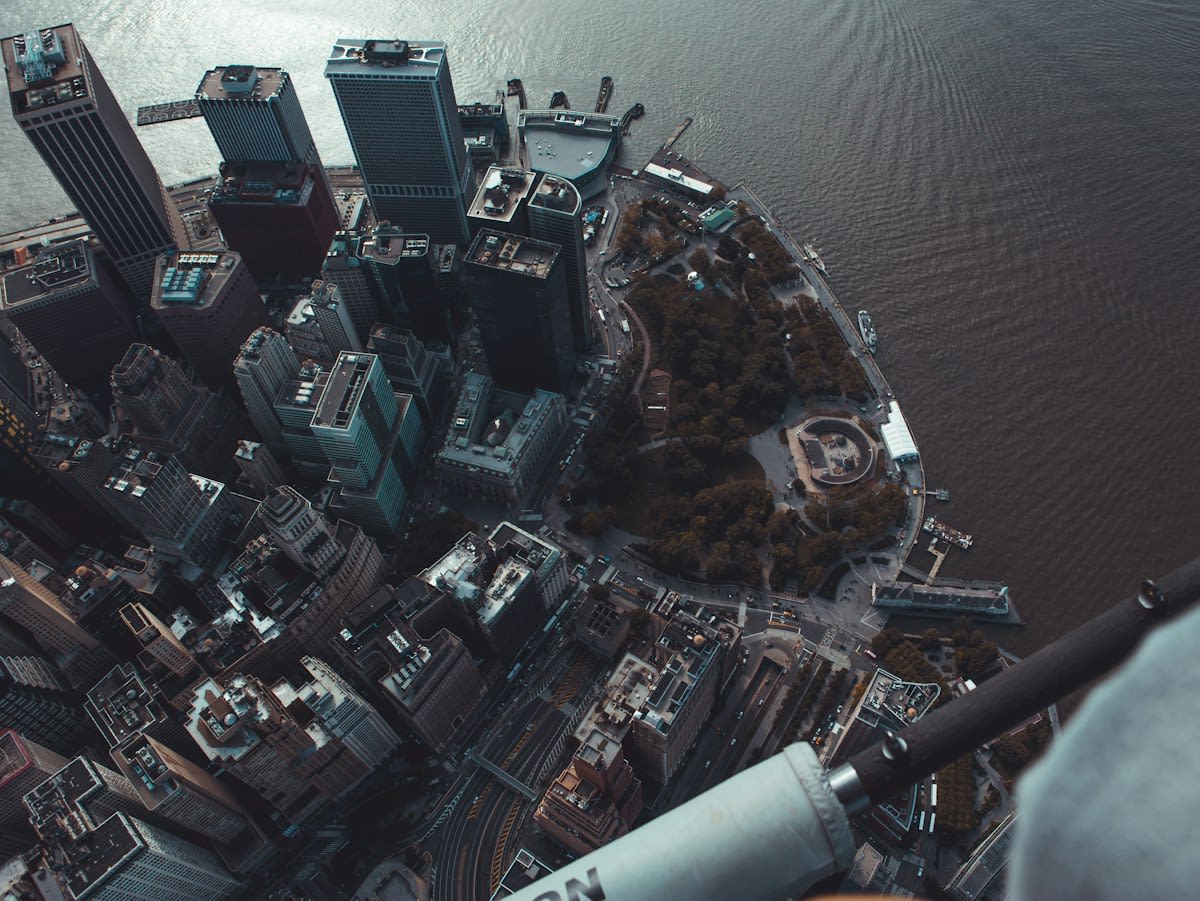
Megacities are concrete monuments to 20th-century ego. We were told that density equals efficiency. That concentrated capital creates an unstoppable flywheel of growth. It was a curated lie. In the climate era, density is just a concentrated point of failure. When a single storm surge hits a hub like Bangkok or Lagos, the systemic collapse isn't linear; it's exponential. You aren't just losing a neighborhood; you're losing the entire financial nervous system of a nation (Source: World Bank Urban Development Report, 2023).
Industry whispers in the private equity space are shifting. The 'Too Big to Fail' mantra is being replaced by 'Too Big to Save'. The cost of retrofitting a megacity for 2-degree warming is mathematically impossible. You cannot build a sea wall around the entire Pearl River Delta without bankrupting the regional GDP. The smart money is looking for Climate Alpha—the excess return generated by investing in locations that can pivot faster than a bureaucracy in a 10-million-person city can schedule a zoning meeting.
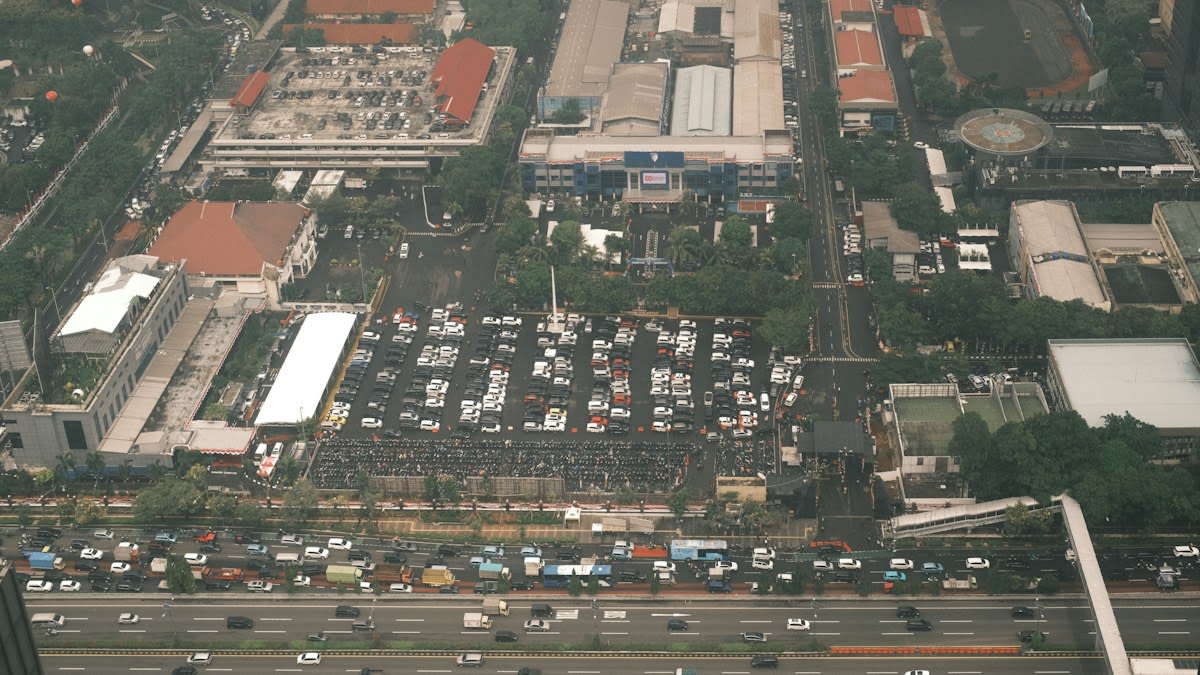
Look at the delta between official government rhetoric and actual capital flow. Governments keep pumping billions into 'resilience projects' for their primary hubs because of political prestige. They can't admit the crown jewel is a liability. Meanwhile, institutional investors are quietly diversifying into secondary cities. These hubs offer modularity. They have shorter supply chains. They don't rely on a single, aging power grid that crashes the moment the temperature hits 40 degrees Celsius (Source: IPCC AR6 Working Group II, 2022).
| Metric | Megacity (e.g., Mumbai) | Decentralized Hub (e.g., Pune/Ahmedabad) |
|---|---|---|
| Adaptation Speed | Low (Gridlocked by Legacy Law) | High (Flexible Zoning) |
| Infrastructure Risk | Systemic (Single Point of Failure) | Distributed (Modular) |
| Per Capita Cost of Defense | Extreme (High-Cost Sea Walls) | Moderate (Nature-Based Solutions) |
| Governance Agility | Bureaucratic Inertia | Experimental/Iterative |
The math is brutal. A decentralized hub doesn't need to fight the environment; it integrates with it. In cities like Curitiba, Brazil, the focus shifted decades ago from massive highways to integrated transit and green belts. This wasn't about being 'green'. It was about operational efficiency. By avoiding the megacity trap, they bypassed the astronomical costs of repairing collapsed subterranean infrastructure that plagues cities like New York or London.
The Rise of the Agile Hub
Real alpha is found in the periphery. Take Da Nang, Vietnam. It isn't Ho Chi Minh City, but it's becoming a strategic hedge. It offers a combination of coastal access and a more manageable urban footprint. When the Mekong Delta faces salinity intrusion, the pressure on the primary hubs becomes unbearable. Da Nang represents a relief valve. It's where the tech talent and the agile manufacturing units are migrating to avoid the systemic fragility of the larger hubs (Source: ASEAN Climate Outlook, 2023).
"The obsession with the megacity is a 20th-century hangover. We are trying to protect concrete monuments while the water is already in the basement. The future belongs to the 'Network City'—a constellation of mid-sized hubs that can fail partially without collapsing entirely."— Dr. Elena Rossi, Urban Resilience Lead at the Global Adaptation Initiative
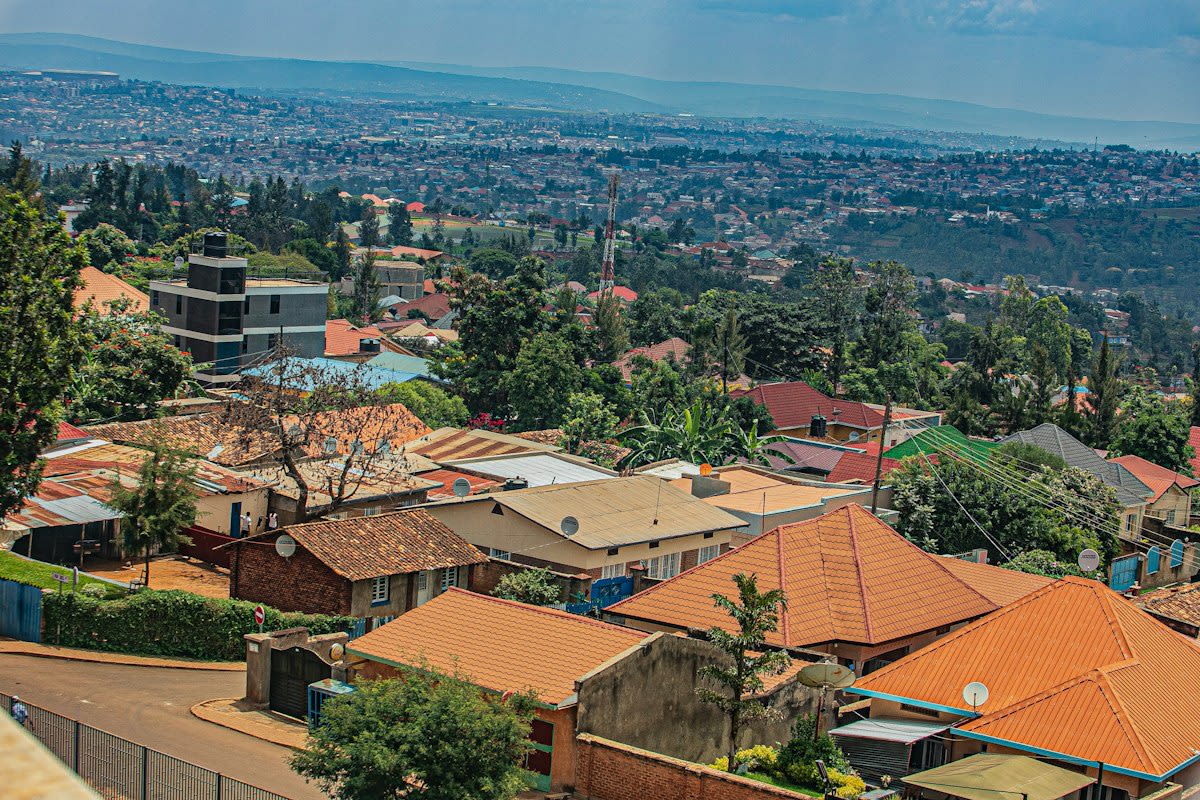
Kigali, Rwanda, is another case study in intentional decentralization. The city isn't trying to be a global megacity. It's positioning itself as a high-efficiency service hub for East Africa. By controlling growth and investing in digitized land registries, they've eliminated the friction that makes megacities unmanageable. They are building for resilience from the ground up, rather than trying to bolt resilience onto a crumbling 19th-century foundation.
This shift creates a new economic geography. We are seeing the emergence of 'Climate Havens'—cities that possess the right mix of elevation, water security, and political agility. The valuation of real estate in these hubs is beginning to decouple from the national average. We're seeing a 15-20% premium on commercial assets in inland secondary hubs compared to coastal megacities in high-risk zones (Source: Global Real Estate Climate Index, 2024).
Ground-Level Friction
Don't mistake this for a smooth transition. The reality on the ground is ugly. In these decentralized hubs, you aren't fighting sea walls; you're fighting land mafias. In many secondary cities across Southeast Asia and Africa, the 'agile' nature of the city is just a euphemism for a total lack of regulation. Land grabbing is the primary friction point. Developers move in, buy up ancestral lands with the help of a corrupt local mayor, and build 'resilient' gated communities that effectively privatize the only safe ground.
There is also the ego problem. Mayors of secondary cities often have 'Megacity Envy'. They try to replicate the mistakes of the big hubs by building oversized airports and prestige stadiums they can't maintain. This creates a dangerous paradox: the very hubs that should be providing climate alpha are sometimes seduced by the same growth-at-all-costs logic that ruined the megacities. The internal political infighting between national planners and local operators often leads to prototypes that look great in a PowerPoint but fail the first time a monsoon hits.
Then there's the legal loophole game. In the rush to establish these hubs, environmental impact assessments are often treated as suggestions. We see 'green' hubs being built on drained wetlands, effectively destroying the natural sponges that make the location resilient in the first place. It's a race to the bottom disguised as a leap forward. If you're investing here, you aren't looking for the 'greenest' city; you're looking for the one where the governance is honest enough to actually enforce its own zoning laws.
Editorial Note
The mainstream narrative claims that megacities are the engines of innovation. The data suggests they are becoming the anchors of risk. The transition to decentralized hubs isn't a policy choice—it's a survival mechanism driven by the cost of capital.
The Strategic Pivot
For the institutional player, the play is clear. Diversify away from the 'primary' hubs. Stop buying the narrative that the government will save the coastal center. They can't. The financial instruments of the future will be tied to 'Resilience Credits'—assets that derive value from their ability to maintain operational continuity during climate shocks. A warehouse in a decentralized hub with its own microgrid and water harvesting is worth ten times a skyscraper in a flood zone, regardless of the current square-footage price.
We are entering an era of urban fragmentation. The world will not be defined by a few massive poles of power, but by a web of specialized, resilient nodes. One hub handles the data, another handles the logistics, another handles the agriculture. This distribution of function is the only way to ensure that a single catastrophe doesn't wipe out a regional economy. The alpha is in the network, not the node.
Fact-Check & Accuracy Note
Settled Claims: The rate of land subsidence in megacities like Jakarta and Bangkok is empirically proven and accelerating. Debated Claims: The efficacy of 'Sponge City' initiatives in China remains contested, with critics arguing they are often superficial additions to fundamentally flawed urban designs.