Revanth Reddy Targets BRS, Orders Probe Into KCR Family Land
Source Entity
NDTV News Search Records Found 1000
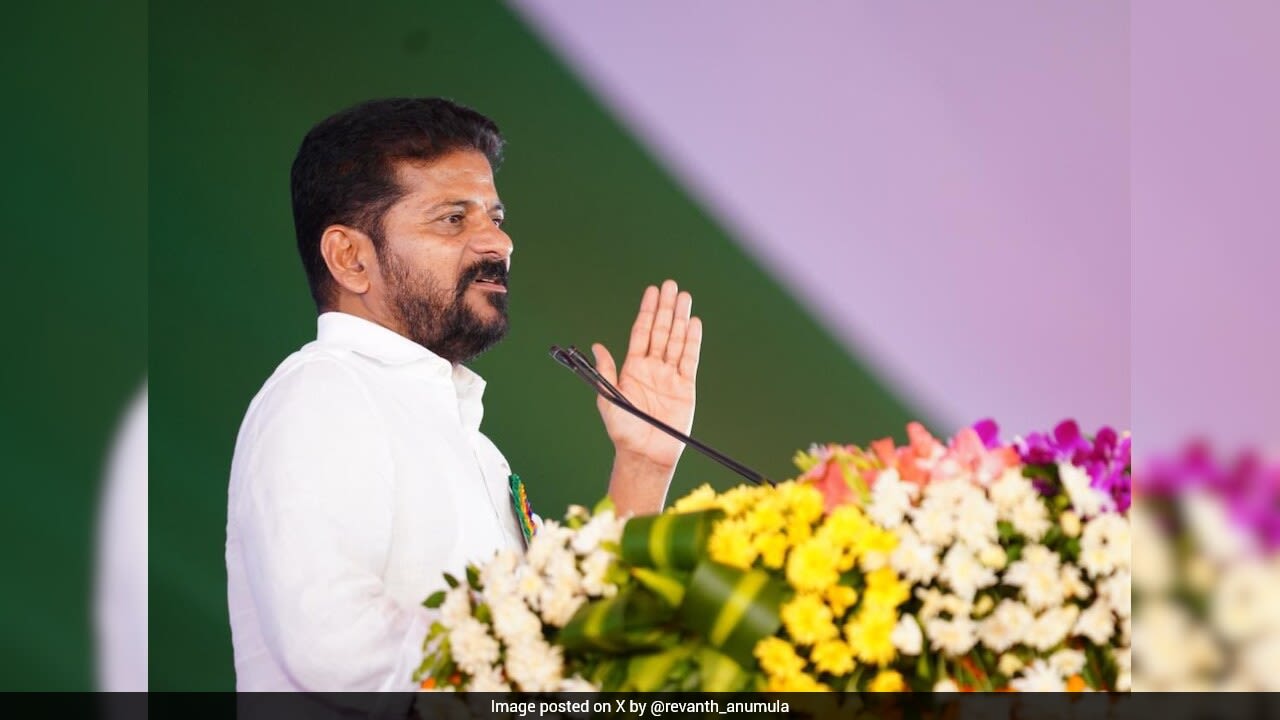
Telangana's political landscape is currently dominated by intense debates over the Section 22-A land list and the proposed CURE Bill. BRS leader T. Harish Rao is demanding a judicial probe into land irregularities, while CM Revanth Reddy accuses the opposition of obstructing legislative proceedings.
Political Turbulence in Telangana: The 22-A and CURE Controversies
The political climate in Telangana has reached a fever pitch as the Bharat Rashtra Samithi (BRS) and the ruling Congress government engage in a high-stakes standoff. Central to this friction is the contentious issue of Section 22-A, which governs the list of prohibited properties in the state. BRS Legislature Party Deputy Floor Leader, T. Harish Rao, has aggressively challenged the state government, demanding a comprehensive judicial inquiry led by a sitting Supreme Court judge to investigate alleged irregularities in the management of these land records and the implementation of the Bhu Bharati project.
The Section 22-A Dispute and Demands for Transparency
Harish Rao’s demand for a White Paper covering land transactions and property status changes since December 7, 2023, underscores the BRS's strategy to hold the current administration accountable. By highlighting the increase in land volume on the prohibited list, the opposition is attempting to frame the government’s land management policies as opaque and potentially harmful to affected families. This demand for a formal White Paper is a classic legislative maneuver intended to force the ruling party into a defensive posture regarding its administrative track record.
Legislative Standoff and Allegations of Obstruction
In response to these criticisms, Chief Minister A. Revanth Reddy has taken an offensive stance, alleging that the BRS is actively conspiring to stall legislative sessions. The Chief Minister contends that the opposition’s disruptive behavior is a calculated effort to prevent the Assembly from discussing sensitive and contentious issues that could expose the previous administration. This narrative of obstructionism suggests that the political rivalry between the BRS and the Congress is effectively paralyzing the state's legislative agenda, turning the Assembly into a theater of confrontation rather than policy deliberation.
Constitutional Concerns Over the CURE Bill
Beyond land disputes, the legislative agenda is further complicated by the introduction of the Core Urban Region (Integrated Governance) Bill, 2026. Public policy expert Donthi Narasimha Reddy has voiced significant concerns, urging Governor Shiv Pratap Shukla to return the Bill for reconsideration. The primary objection lies in the proposed governance structure of the CURE Apex Governance Council, which critics argue lacks democratic representation from local corporations. By centralizing power away from elected representatives, the bill raises serious constitutional questions regarding the integrity of local self-governance.
Broader Implications for Urban Governance
Furthermore, the expert critique highlights potential overreach, specifically noting that the CURE authorities may exercise powers beyond the defined Core Urban Region. This creates uncertainty regarding property tax provisions and administrative accountability. If the Bill is enacted without addressing these structural flaws, it could lead to significant legal challenges and public dissatisfaction. The debate over the CURE Bill serves as a microcosm of the tension between state-level centralized control and the principles of decentralized urban governance.
Conclusion: A State at a Crossroads
As the debate continues, the intersection of land management scandals and contentious urban governance reform indicates a period of profound instability in Telangana. The dual pressures of the 22-A investigation and the scrutiny of the CURE Bill will likely dictate the political trajectory of the state in the coming months. Whether through judicial intervention or legislative amendment, the resolution of these issues remains critical for maintaining public trust and ensuring that urban development policies are both constitutional and equitable.
Multiple Citing Sources
Verification Required?