Senate is still a tossup, but Democrats now have slight edge, prediction market traders think
Source Entity
US Top News and Analysis
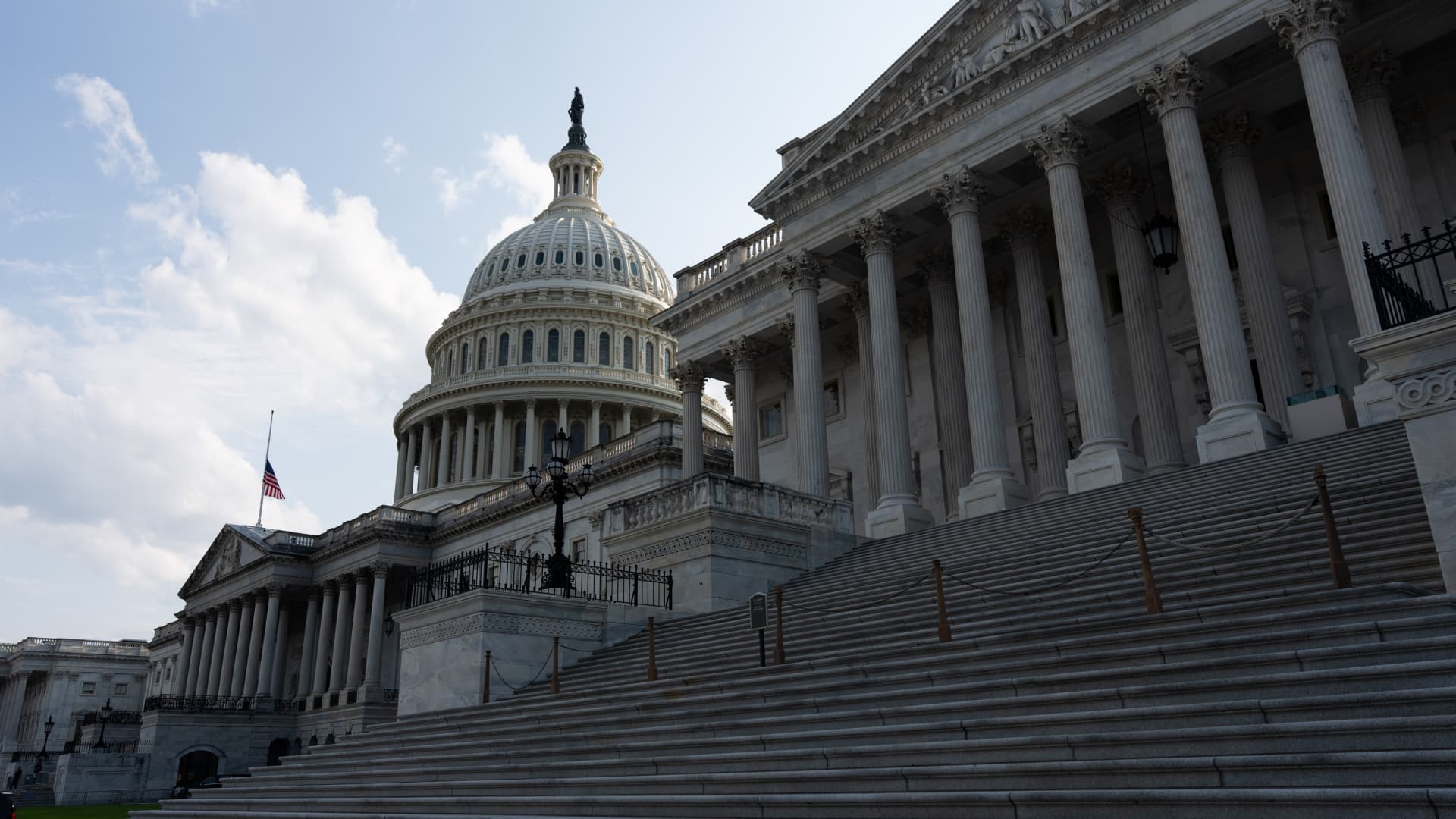
Prediction markets like Kalshi and Polymarket currently show a slight shift in favor of Democrats potentially winning the U.S. Senate. Despite this trend, Republicans remain in a strong position as they defend the majority in a challenging electoral map.
Market Sentiment Shifts in the U.S. Senate Race
Recent data from prominent prediction markets, specifically Kalshi and Polymarket, indicates a notable shift in investor sentiment regarding the upcoming U.S. Senate elections. Traders are increasingly betting on a Democratic path to control, with Kalshi assigning a 54% probability to a Democratic victory and Polymarket suggesting even higher odds at 59%. This surge marks one of the most optimistic outlooks for the party since these specific election contracts were first opened to the public.
The Mechanics of Prediction Markets
Prediction markets operate on the premise that collective wisdom—driven by financial stakes—can often forecast outcomes more accurately than traditional polling. By forcing participants to put capital behind their predictions, these platforms filter out partisan noise in favor of risk-adjusted probability. The current alignment between these two major platforms suggests that the 'tossup' nature of the Senate race is beginning to lean in favor of the Democrats, reflecting a possible change in the underlying electoral dynamics of the cycle.
Challenges in the Electoral Map
Despite the bullish sentiment on prediction platforms, the structural reality of the 2024 Senate map remains heavily skewed toward the Republican Party. Republicans are currently defending their majority, which is bolstered by the fact that they hold 20 of the 33 seats up for contention. For the Democrats to achieve a majority, they must overcome significant geographic hurdles, including flipping seats in states like Ohio, Texas, and Alaska—territories where Donald Trump secured double-digit victories in the 2024 cycle.
Analyzing the Path to Majority
To flip the Senate, Democratic candidates are forced to perform in 'red' states that have historically been resistant to their party platforms. This strategy requires not only high voter turnout in urban centers but also significant crossover appeal in rural and suburban districts. The shift in market odds suggests that traders may be pricing in either unexpected polling strength in these specific states or a broader national trend that favors Democratic candidates in tight races.
Broader Political Implications
If the Senate were to flip, the implications for the legislative branch would be profound. Control of the upper chamber dictates the pace of judicial confirmations, cabinet appointments, and the ability to advance or block executive agendas. Conversely, if Republicans maintain their majority, the legislative gridlock that has characterized recent sessions of Congress will likely persist, potentially limiting the executive branch's ability to implement significant policy changes without bipartisan consensus.
Future Trends and Concluding Thoughts
As the election approaches, the volatility in these prediction markets will likely increase as new polling data and campaign events unfold. While current trends favor the Democrats, the reliance on flipping deep-red states means the margin for error is razor-thin. Investors and political observers alike should view these percentages as snapshots of current sentiment rather than definitive predictors, as the structural advantages held by the Republican Party remain a formidable barrier to a Democratic takeover of the U.S. Senate.